


US reportedly proposes unfreezing Russian assets to restart Ukraine talks
9 sourcesUpdated Oct 15, 20261 min read
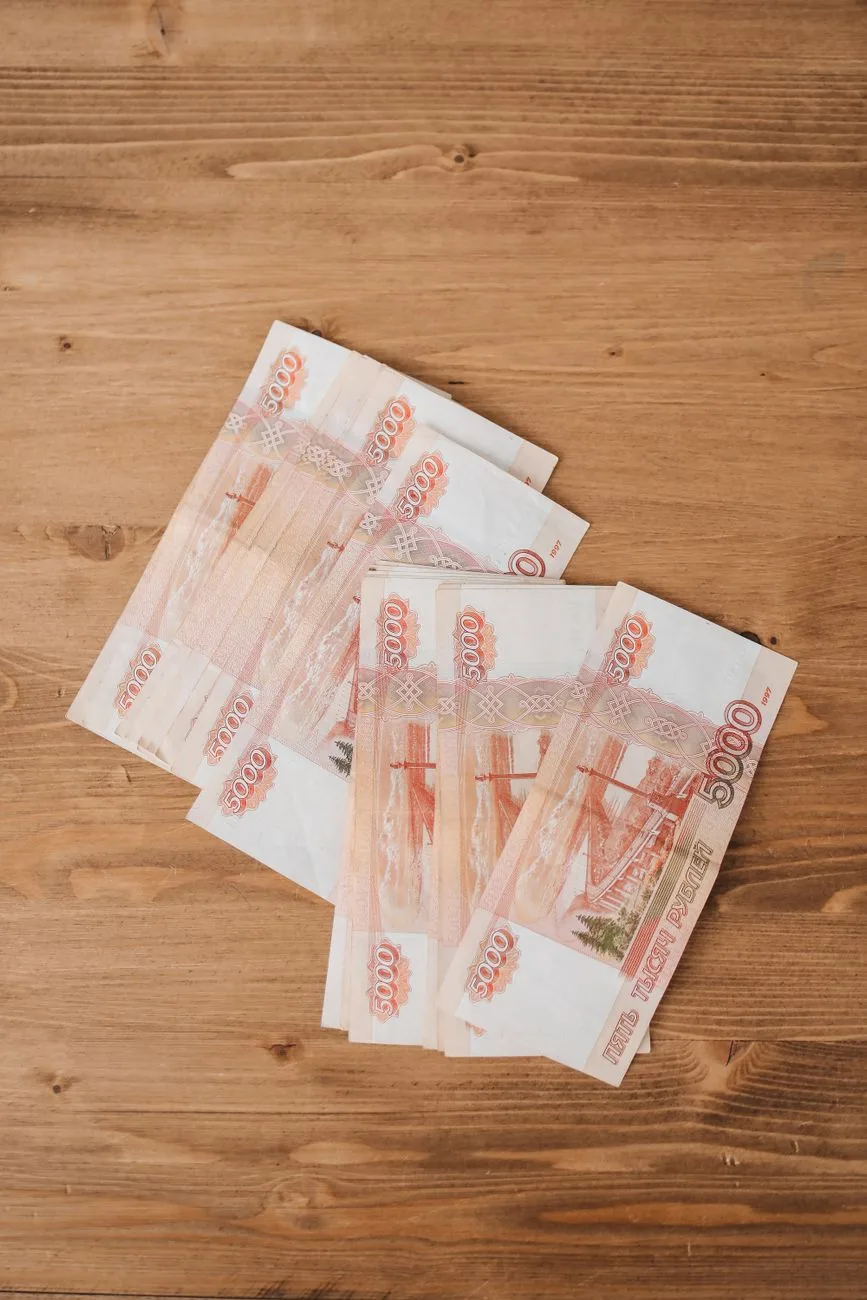
US envoys Steve Witkoff and Jared Kushner proposed at Miami talks last week unfreezing some of roughly €260 billion in Russian sovereign assets and placing them in a US-supervised vehicle to help restart Ukraine peace talks. Ukraine, France, Germany, the UK, the EU and NATO took part. European delegates rejected the idea on the spot, with officials recorded as saying "this is simply not going to happen." CONTESTED: No outlet disagreement appears on the proposal, rejection, or asset total. Kremlin spokesman Dmitry Peskov said on October 14 that Russia will "mobilize all legal means, trials, and judicial procedures to recover the confiscated assets," also rendered as a vow to "exhaust every avenue to recover the stolen assets." Most funds sit in the EU, where unfreezing needs unanimous consent of all 27 member states. A €90 billion EU loan for Ukraine in 2026-2027 and €45 billion in G7 interest-backed loans already exist. A November 2025 draft plan would have put $100 billion into US-led reconstruction with 50 percent profits to the US. Kirill Dmitriev said at Russian Energy Week that initial US-Russia diesel contracts are expected. Terms and allocation under the Miami proposal remain undisclosed.
Where do you stand?
How it spread
What each side asserts, disputes — or leaves out entirely.
Whose framing of this story rings truest to you?
Letting the US supervise any released funds might prevent the money from going straight back into the military effort.
Europe rejecting the idea outright seems shortsighted if the goal is actually getting Russia to the table.
Unfreezing part of the 260 billion could give both sides real leverage to sit down and talk about ending the fighting.