


Riyadh Airport Attack Triggers Airline Disruptions
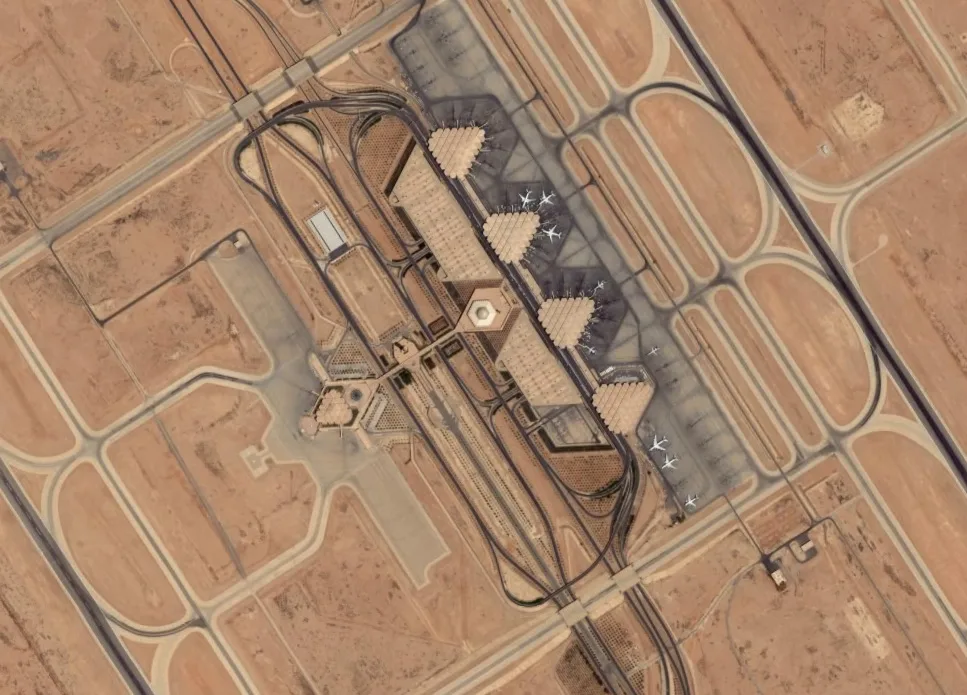
An injured traveller at King Khalid International Airport saw something fly across the sky outside on Saturday. Part of a ceiling near a departure gate then collapsed. The traveller later told Reuters what had crossed the sky before the roof gave way. The strike hit the area housing terminals 3 and 4. Witnesses who spoke to the same agency described smoke rising over the tarmac. More than 12 ambulances rushed the airfield.
Saudi authorities reported at least 12 people killed and 309 injured in Saturday’s attack on the airport. Those first numbers did not hold. On Sunday an Indian national who had been wounded in the strike died of the injuries, and the death toll was revised to 13. The civil aviation authority released a nationality breakdown of the dead. Four were Saudi citizens. Two were Bangladeshi. The remaining six were one Palestinian, one American, one Egyptian, one Jordanian, one Syrian and one Sudanese national. Five of the injured remained in critical condition in intensive care units. The dead included an American. US Secretary of State Marco Rubio registered that fact. Doctors across Riyadh received urgent calls to report as medical facilities faced a severe emergency.
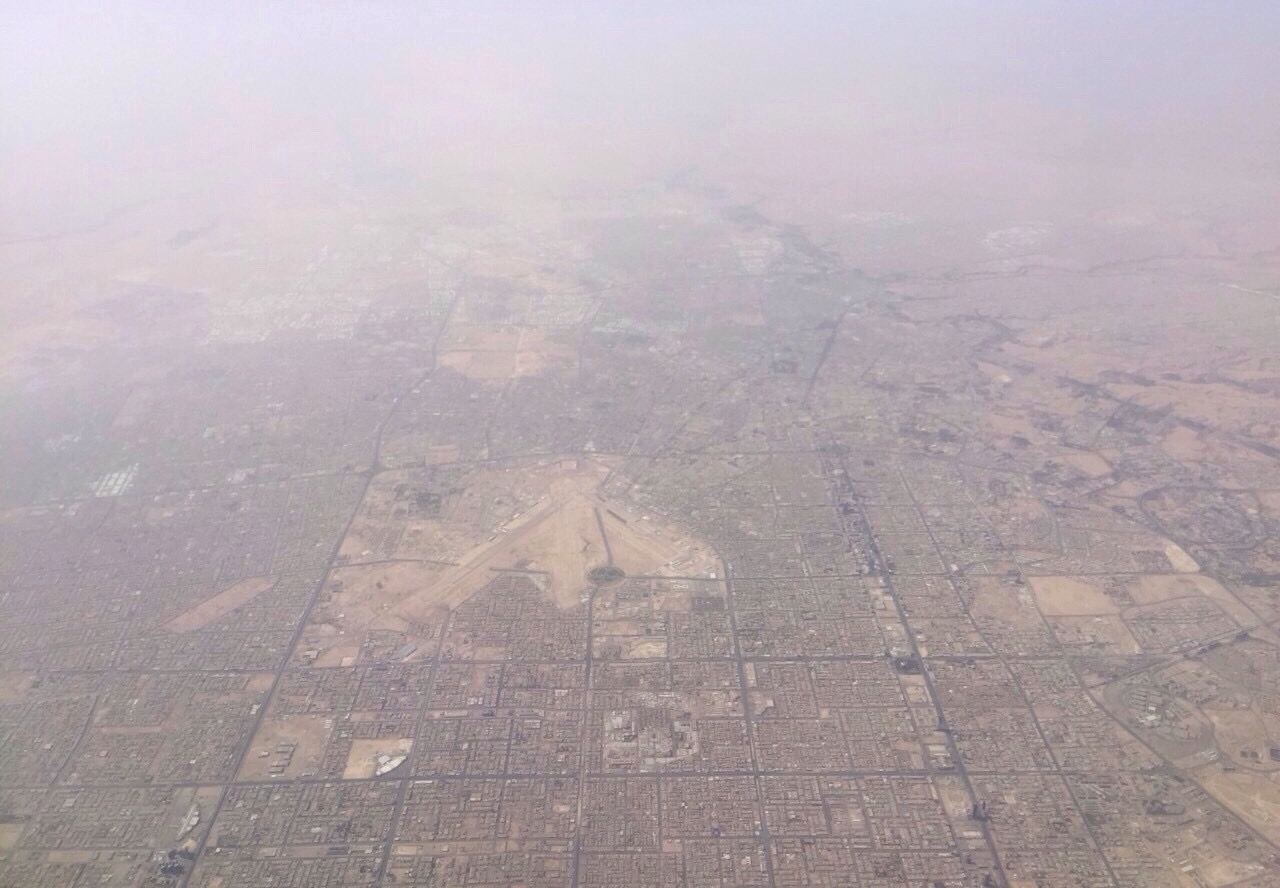
Schools in Riyadh shifted to remote learning for the week. The ministry of education sent instructions to parents, and the capital’s educational institutions went online for the second time that month.
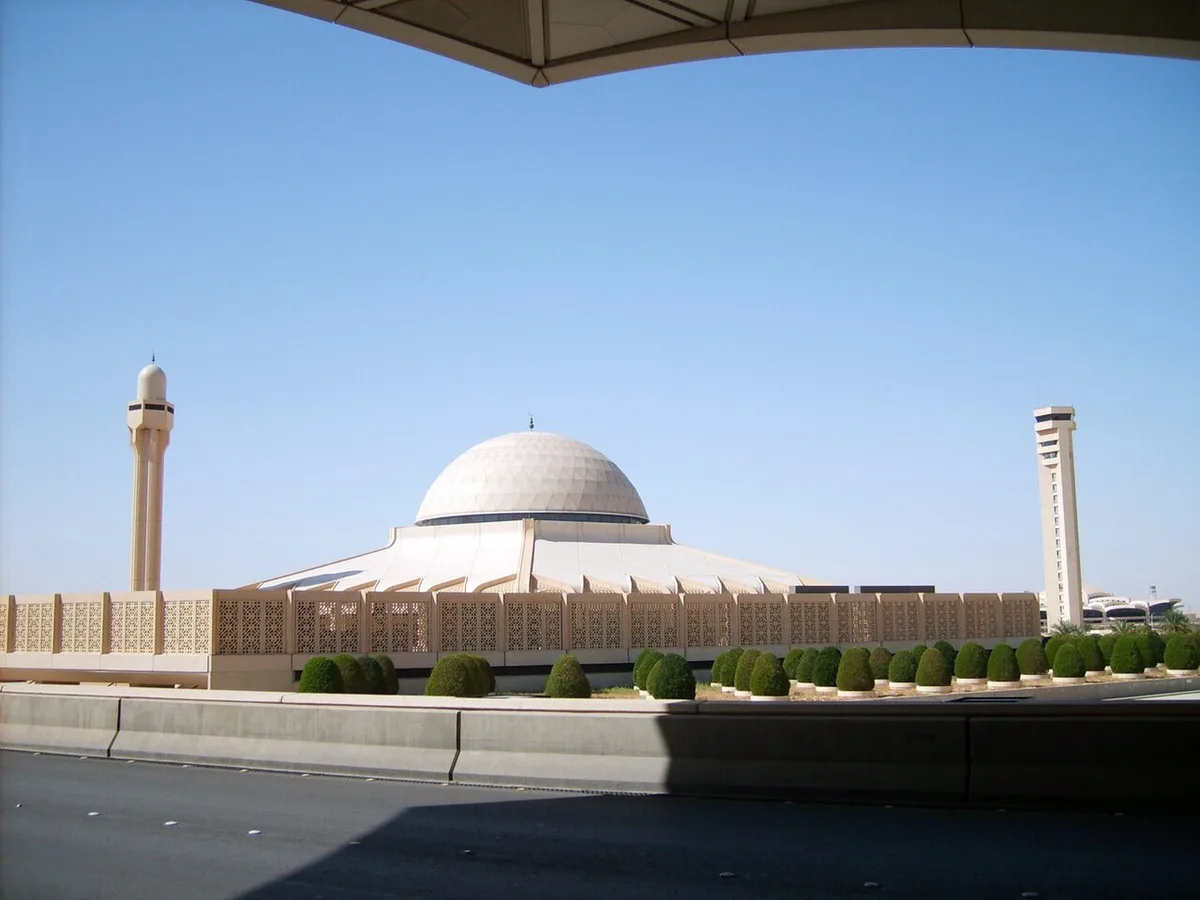
King Khalid International Airport lies about 35 kilometres north of the capital and ranks among the busiest hubs in the Middle East. The strike was the third on the airport in a week. The Houthis, known formally as Ansar Allah, claimed responsibility. An Iran-backed force in Yemen’s long civil war, the group has for years launched missiles and drones against targets inside Saudi Arabia. Spokesman Yahya Saree warned airlines, airport workers and passengers to stay away from Saudi airports other than those serving Mecca and Medina, and framed the attack as retaliation for Saudi operations over Yemen. From Sanaa, Al Jazeera correspondent Yousef Mawry said the Houthis wanted to impose a blockade on Saudi airports because the Yemeni capital remained under siege.
Flightradar24 put the damage to the schedule at 288 departures cancelled. Nearly 100 more flights were delayed or stood under threat of cancellation while the field stayed shut. The closure was first held through Sunday evening. A Notice to Air Missions, the formal bulletin that tells pilots when a runway or airspace is restricted, later locked the restriction in place until 21:00 GMT on Sunday.

The European Union Aviation Safety Agency widened its conflict-zone risk assessment for Saudi airspace at the same time. Warnings that had covered the southeast now reached the northwest as well, and carriers were advised to keep clear of both sectors. Missile launches, drones and active air defences raised the chance that a civil aircraft could be misidentified, or struck by falling debris and intercepts. OPSGROUP, an aviation professional network, told its 10,000 members to avoid flying inside Saudi Arabia entirely, and not to treat any of the kingdom’s airports as an alternate stop along any route.
EgyptAir suspended its Cairo and Alexandria flights to Riyadh late on Saturday, 10 October. Air Cairo cancelled the service it had scheduled for the following day, Sunday the 11th. A Lufthansa spokesperson said the airlines of the Lufthansa group would suspend flights to Riyadh until October 16 “due to current developments in the Middle East.” Air India said it acted “in the interest of safety.” Not every operator left the corridor empty. Flightradar24 radar data showed a Smartwings flight from Bratislava to Salalah still passing over Riyadh on Saturday. Smartwings spokesperson Vladimíra Dufková said the company continuously monitors security developments and risk evaluations before every individual flight.
Saudi-led coalition spokesman Turki Al Maliki branded the strike a war crime and vowed a firm response. Nawaf Obaid, a war expert at King’s College London, condemned the attack. UN Special Envoy for Yemen Hans Grundberg called it a “serious escalation of the situation.” UN Secretary-General António Guterres and European Commission President Ursula von der Leyen added their own condemnations.
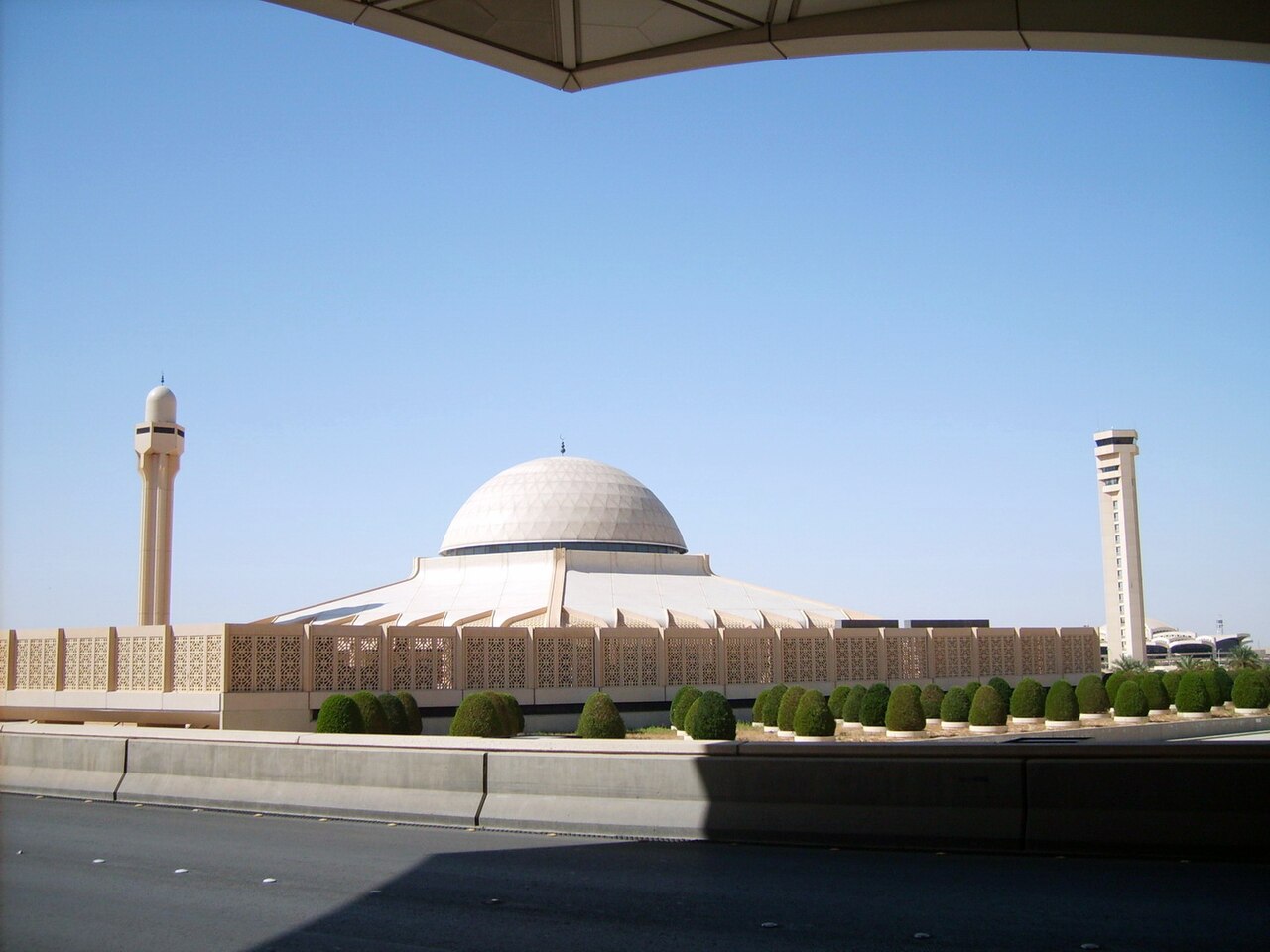
On Sunday another strike hit the airport. The Saudi-led coalition said a projectile struck a passenger terminal and caused a fire. Saudi Arabia’s General Authority of Civil Aviation confirmed that the attack produced injuries but did not say how many. Damage assessments and safety inspections of the airport facilities got under way. Operations remained suspended while those checks continued.
US President Donald Trump was still weighing whether the United States would join Saudi strikes. “We may, we're going to look at it,” he said. “We just found out about the recent attack.” “So we'll make a decision. We move very quickly.”
No restart date was announced. The passenger terminal that caught fire stayed under assessment. The field remained closed.