



Houthi Riyadh Airport Attack Kills 12
On Saturday 10 October 2026, scores of religious pilgrims stood lined up at a gate inside King Khalid International Airport in Riyadh, waiting to travel toward Islam’s two holiest sites. Footage released afterward by Saudi state television holds the next seconds plain: a bright orange flash, people breaking into a run, parts of the roof appearing to cave in.
A passenger who had been standing at Gate 403 told AFP what the strike looked like. The adjacent Gate 401 area had taken the hit. “I saw 401 hit, I saw injured in front of my eyes. Everyone was running.”
The projectile struck the passenger terminal complex that houses terminals 3 and 4. Fire broke out across part of the building. CCTV footage released by the Saudi Media Ministry showed passengers taking cover as flames and smoke filled part of the airport. The wounded were taken to several hospitals. Some of the injured were in critical condition, and doctors were called in from across the city.
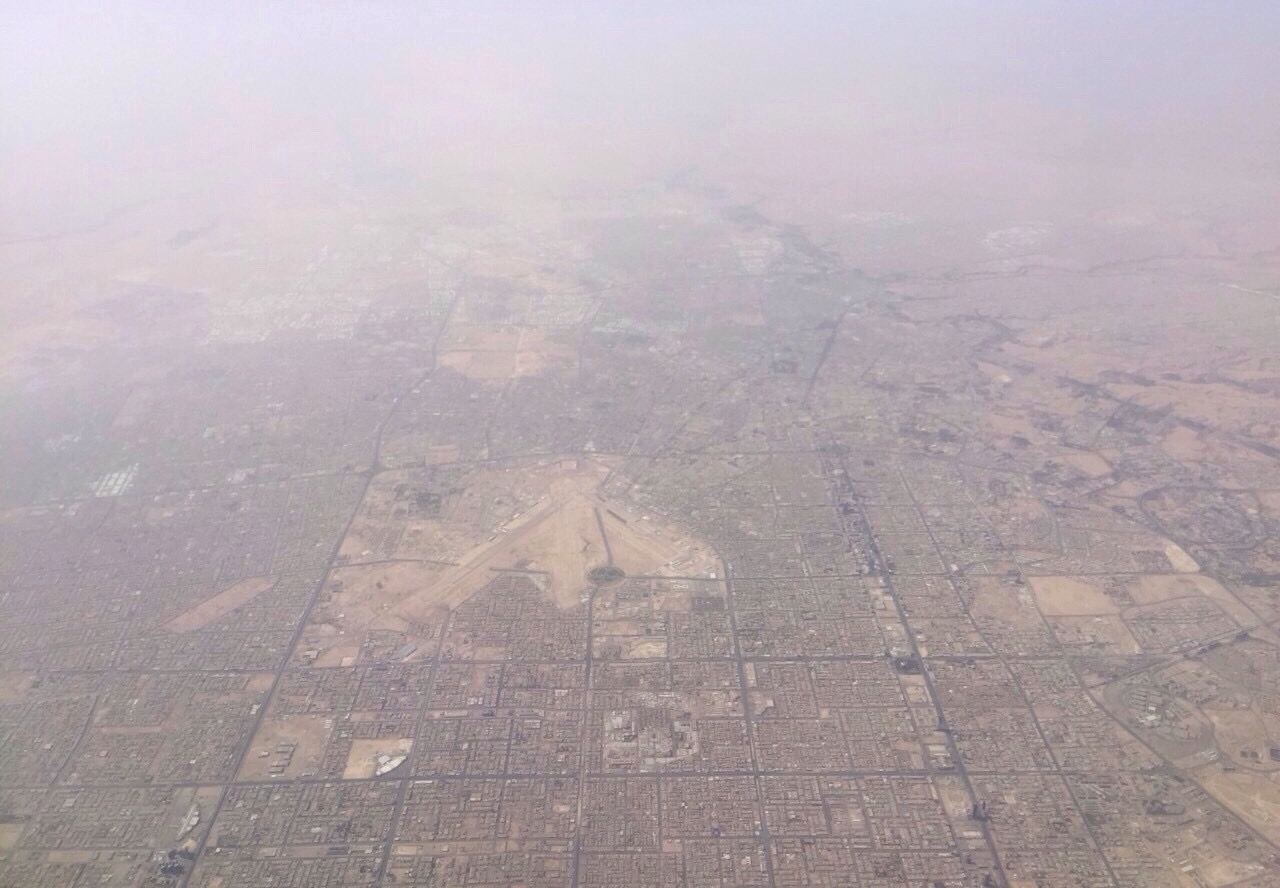
Saudi authorities reported 12 dead and 309 injured. Some outlets put the death toll at 13. The dead were four Saudis, two Bangladeshis and one citizen each from the United States, Egypt, Jordan, Syria, Palestine and Sudan.
Flights were suspended, cancelled or diverted. An aviation notice closed the airport through midnight. Heavy police blocked all entrances. Lights around the complex were dimmed.
It was the third attack on the airport that week. A strike on Wednesday killed a Sudanese man. Two strikes on Thursday killed three people, one of them a Saudia pilot, and damaged a parked passenger jet. The ground campaign that framed the week was six days old. On 4 October, Saudi-backed Yemeni forces had launched Operation Fajr Yemen to retake territory held by the Houthis. The Houthis, known formally as Ansar Allah, are an Iran-backed movement and a central party in Yemen’s civil war. In September and October 2026 the ceasefire that had held the fighting in check collapsed as the wider regional conflict expanded.
Yemeni government military spokesman Colonel Majid Abdullah Al-Nuzaili said the offensive had already mounted nearly 2,000 military operations, killed more than 1,150 Houthi fighters and destroyed 180 combat, transport and supply vehicles. Those figures have not been independently verified. The same airport had already lost four lives that week, and a parked jet sat damaged on the tarmac.

Maj Gen Turki al-Maliki, spokesman for the Saudi-led coalition, called the passenger-terminal strike “A full-fledged war crime.” The coalition’s joint command said it would respond to the attack.
Houthi military spokesperson Yahya Saree claimed Saturday’s strike on Riyadh and said the group had also hit King Fahd International Airport in Dammam and two Saudi Aramco facilities. The Houthis claimed they had targeted an Aramco refinery in Rabigh. Saudi officials did not confirm damage. “We urge everyone to take our warnings seriously, and Saudi Arabia bears responsibility for any failed interceptions,” a Houthi statement said. Yemen’s Houthi-run foreign ministry stated: “Unless the Saudi enemy stops its aggression and interference in Yemen, worse is yet to come, God willing.”
On Sunday a projectile struck Terminal 4 at King Khalid International Airport, killing one person and injuring 11. A cruise missile was intercepted nearby. At Dammam that evening, an eyewitness aboard a taxiing aircraft saw a projectile strike the tarmac beside parked planes, causing a fire. The aircraft returned to the gate. The passengers disembarked.
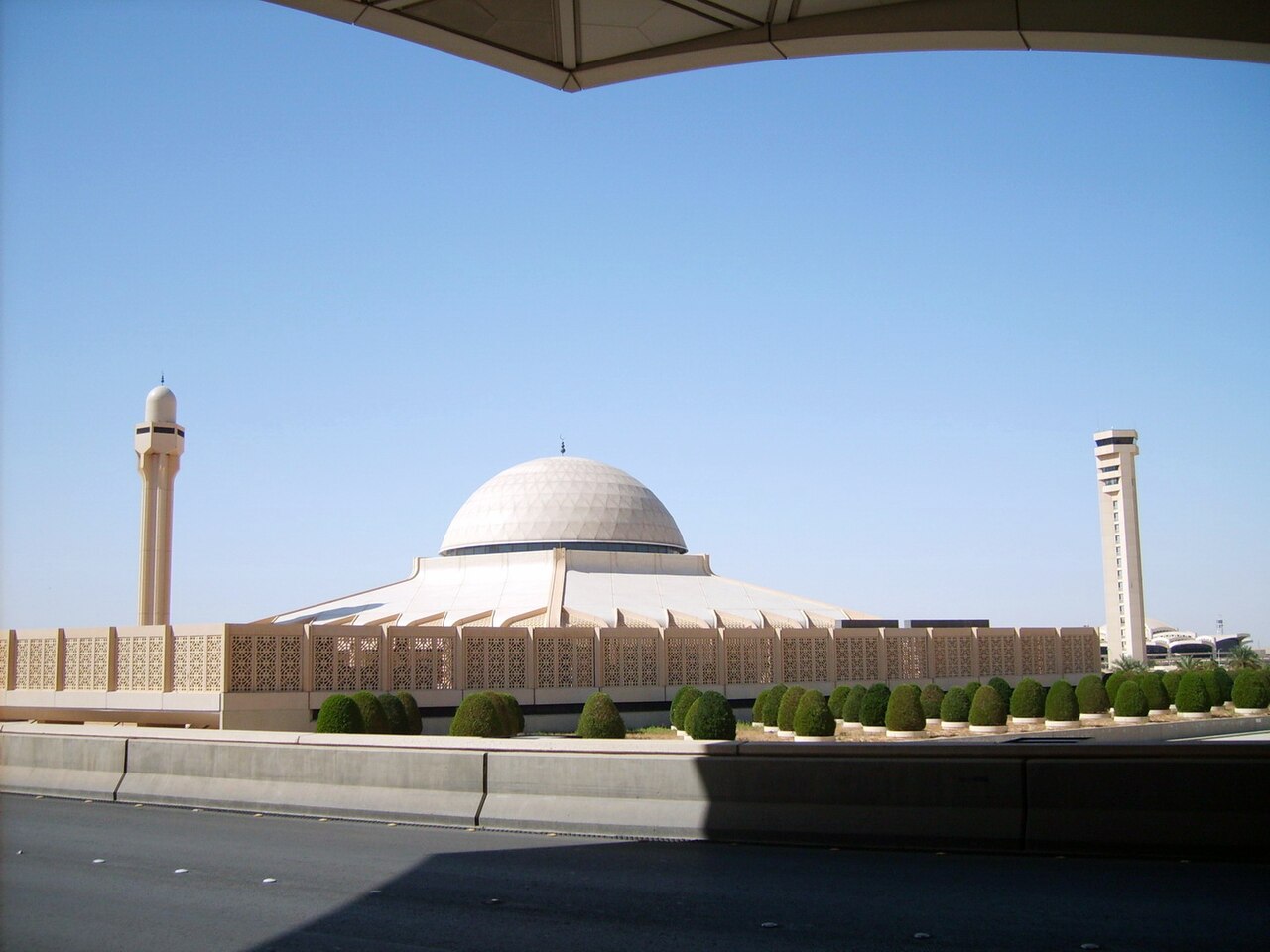
Bangladesh’s Religious Affairs Minister Kazi Shah Mofazzal Houssain, known as Kaikobad, phoned Mohammad Ali Kashemi, the group leader for the affected Umrah pilgrims, and asked after the injured Bangladeshis. He pledged medical care and help securing safe housing for those still in the kingdom. “Any attack on the guests of Allah is wholly unacceptable and will not be tolerated. We strongly condemn this barbaric attack and extend our deepest condolences to the families of those who lost their lives. The Government of Bangladesh stands firmly beside the bereaved families and will provide all necessary assistance, including medical care and other support for the injured,” Kaikobad said.
Bahraini Foreign Minister Abdullatif bin Rashid Al-Zayani called Saudi Foreign Minister Prince Faisal bin Farhan bin Abdullah with condolences and an affirmation of solidarity. Iran’s foreign minister Abbas Araqchi told his Saudi counterpart that Tehran was ready to help facilitate dialogue between Saudi Arabia and Yemen. US President Donald Trump, asked whether America might take part, answered once: “We may. We’re going to look at it. We just found out about the recent attack. So we’ll make a decision. We move very quickly.”
Schools in Riyadh shifted to online learning from Sunday through Thursday. About ten kilometres from King Khalid International Airport, the five-day WPC Energy conference opened on Sunday at a convention centre. The Saudi energy ministry said the sessions were going ahead. The International Energy Forum held its ministerial meeting the same day. It was not clear which ministers attended.
The Saudi-led coalition reported further intercepts across the kingdom. A ballistic missile headed toward Al-Kharj was intercepted and destroyed. A drone was destroyed in the Eastern Province. A ballistic missile launched toward Khamis Mushait was intercepted. Civil aviation authorities extended the suspension of operations at Riyadh’s airport to verify facility safety and operational readiness. At King Fahd International Airport in Dammam, damage assessments and safety inspections of the facilities were under way. The King Khalid complex remained closed under assessment.