



China Approves 3.7 Million Tons Fuel Exports

Chinese state-owned companies began cancelling already-planned fuel export cargoes as China opened its week-long National Day Golden Week on October 1. PetroChina cancelled a number of previously scheduled shipments of gasoline and jet fuel. The suspension became known that day. China started the holiday without approving fuel exports to regions other than Hong Kong and Macau.
Four trade sources said China was set to resume October refined fuel exports after the halt. Beijing approved diesel, gasoline and jet fuel combined at around 3.7 million metric tons.

The figure came from two separate industry sources and was reported from Singapore by Chen Aizhu and Trixie Yap on October 8 and 9. It landed below September. Chinese refiners had been expected to export slightly more than 4 million tons of gasoline, diesel and jet fuel the month before. Sparta Commodities put that September allowance at 4.4 million tons, about 700 thousand tons above the new total. Two consultancies tracking the market estimated October shipments at 3.5 million to 3.6 million tons, a range about 16 to 18 percent lower than September’s totals.
June Goh, senior oil analyst at Sparta Commodities, told CNA that the export-quota suspension signaled Beijing’s uncertainty about the security of Middle East crude flows amid possible attacks in the Strait of Hormuz. Major refiners in the world’s largest refining hub entered the break with no shipments cleared beyond those two destinations. The planned cargoes did not move.
China, the world’s biggest oil importer and home to the world’s largest refining capacity, began curbing fuel exports in March 2026 to safeguard domestic supplies as the US-Israeli war on Iran disrupted crude oil flows and refinery production. Gasoline inventories were about 9 million barrels below the level Beijing seeks to restore before normalizing exports. Commercial stocks of diesel and gasoil stood about 20 million barrels below pre-war levels. Diesel leaves the refinery as a high-volume middle distillate, cut from crude between 200 and 350 degrees Celsius; gasoil sits in the same family of fuels.

Controls were relaxed between July and September 2026. Volumes were allowed to climb, but the rules tightened at the same time. Beijing shifted from annual quotas alone to month-by-month vetting of diesel, gasoline and jet fuel. The monthly system had been introduced mid-year as a tighter control in view of the war. Before the holiday halt, official customs data captured the rebound: petroleum-product exports reached 6.01 million tonnes in August, up 12.7 percent from a year earlier, the highest since March 2024. Even so, domestic tanks stayed short of the stocks Beijing wanted rebuilt before normalizing exports.
Global diesel, gasoline and jet fuel markets remained strained by the Middle East war and by output hits from the Russia-Ukraine conflict. Those disruptions had cut refined fuel production across producing regions and pushed prices higher. Diesel prices had run to record highs. Market analysts said China’s October volumes would ease the tightness only modestly.
“It will be limited as markets remain tight overall and Middle Eastern supplies are still disrupted,” said Stuti Jhunjhunwala, an oil market analyst at Energy Aspects based in Kolkata, India.
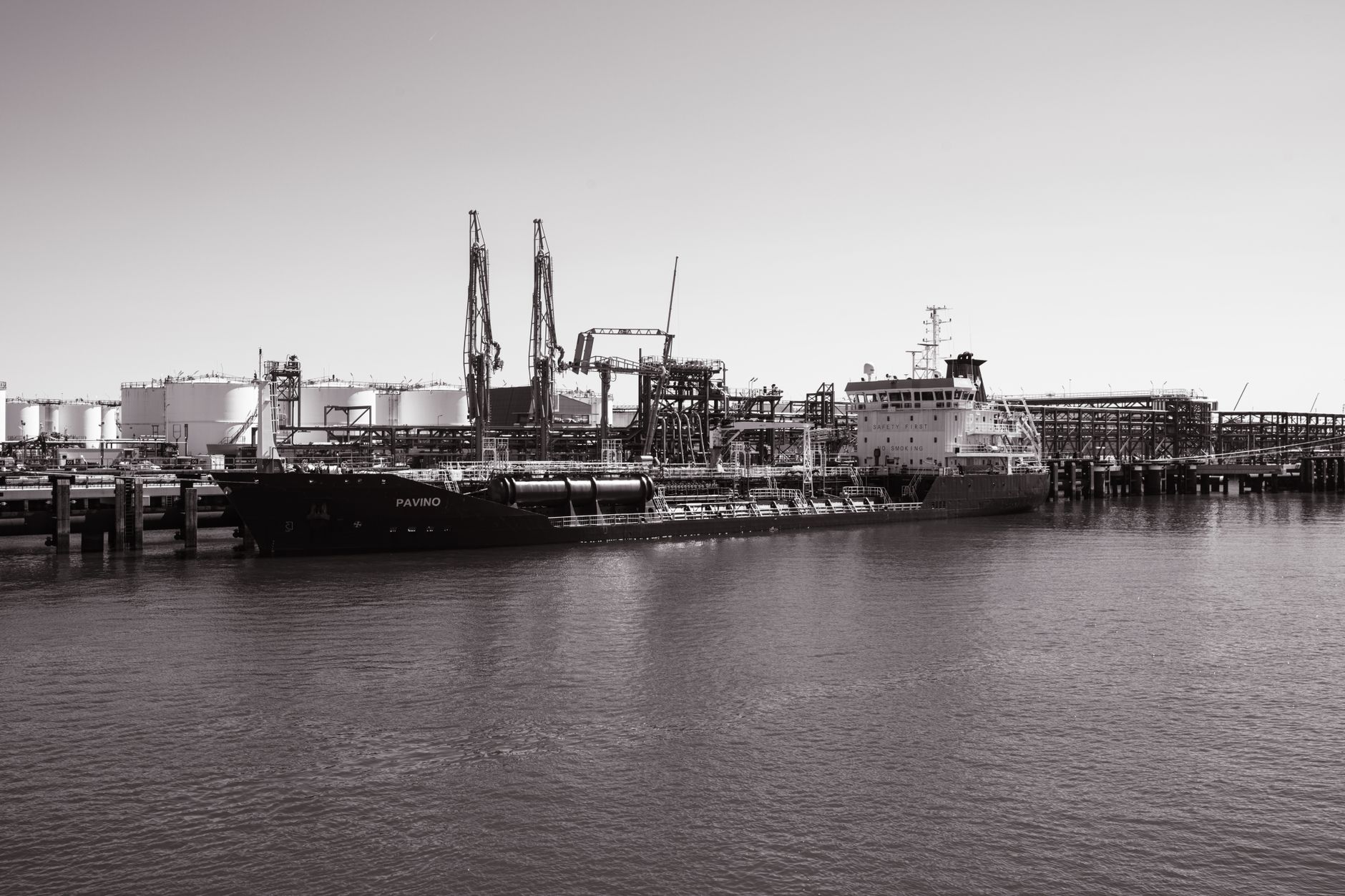
Though China’s fuel export volumes have typically lagged behind India and South Korea among Asian processors, its refined products are sought after because of the disruptions, particularly in Asia. The green light put Chinese gasoline, diesel and jet fuel back onto a tight board. It did not reopen the Middle Eastern supplies still broken by the war.
The third batch of 2026 product-export quotas had been released at 4.5 million tons for CPP and 1.1 million tons for LSFO, the latter covering low-sulfur fuel oil. The total export quota assigned for 2026 sat lower than the total for 2025. That yearly ceiling was not the same instrument as the monthly controls that had governed diesel, gasoline and jet fuel since mid-year. The annual numbers set an outer limit; the monthly approvals decided the cargoes that actually sailed.
Sparta Commodities measured October’s smaller allowance against the time still left to load. About 23 days remained out of the month’s 31. On a pro-rated basis the cut from September looked fairly close. The pace of exports for what remained of October could still resemble the September rate even with fewer total tons cleared. The pace at which the remaining October liftings could leave port against the smaller allowance was the next figure still waiting to be set.