


Stanford Scientist Wins Shared Nobel, Packs Lunches

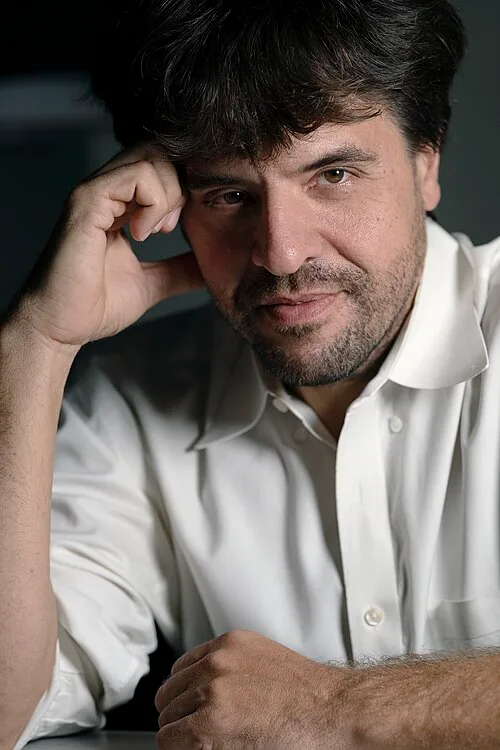
Karl Deisseroth, 54, a Stanford professor and HHMI investigator, shared the 2026 Nobel Prize in Medicine with Peter Hegemann and Georg Nagel for pioneering optogenetics, using light and genetic engineering to control neurons in living brains. The Nobel Assembly in Stockholm called him early Monday, Oct. 5, 2026. "I almost felt as if I'd lost the power of forming words, but I recovered after a minute or two," he told the AP. "No real sleep was achieved." He held remote interviews overnight. An AP photographer arrived at the Stanford faculty home around 3:30 a.m. to Halloween decorations and one light on. Michelle Monje-Deisseroth, his wife and Stanford pediatric neuro-oncologist, answered the door and made coffee for staff. Deisseroth took an hourlong break at 6:30 a.m. to make his children's school lunches. "For me, I'm a physician-scientist. I am a psychiatrist. I care about patients and my patients who have autism, who have depression," he said. "I care about the hope that this brings. But I'm also a basic scientist, and I care about understanding this amazing organ, the brain, and how it works and how it integrates and computes and delivers all the things that make us human." She noted a lot of Nobels in the neighborhood. No contested claims found.
Where do you stand?