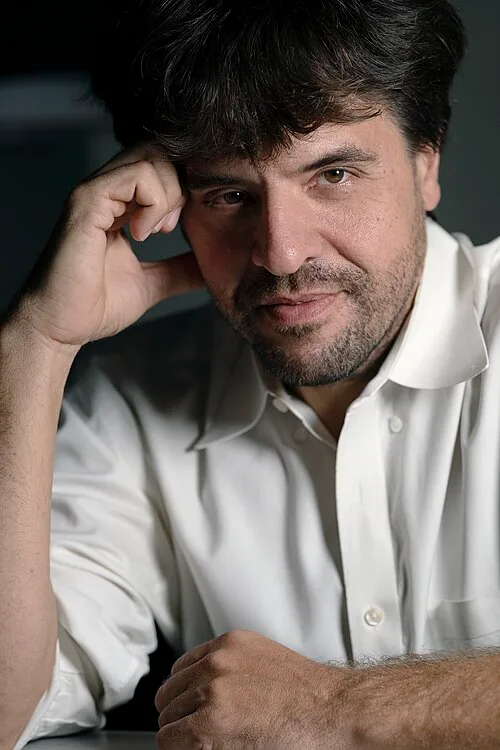



Francis Halzen Wins Nobel for High-Energy Neutrino Discovery
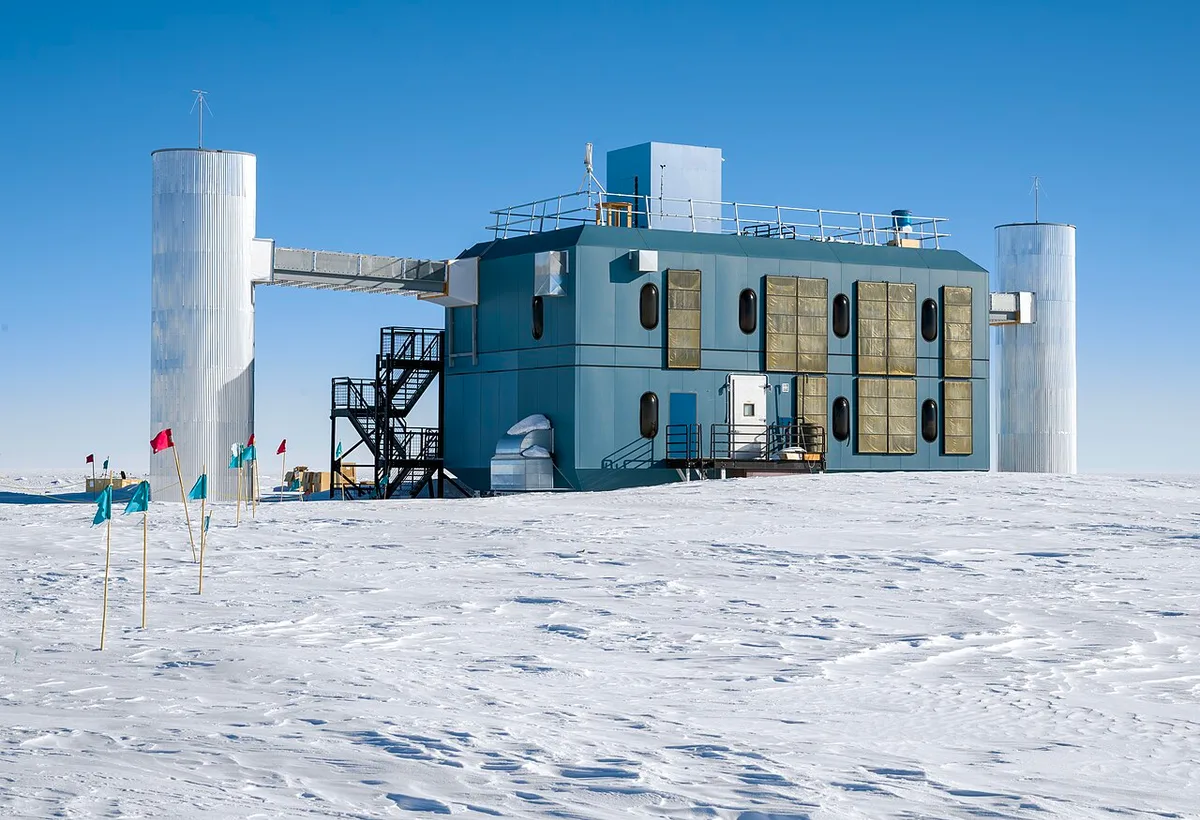
Francis Halzen received the 2026 Nobel Prize in Physics for decisive contributions to the IceCube Neutrino Observatory and the discovery of high-energy neutrinos of astrophysical origin. The Royal Swedish Academy of Sciences announced the award on Tuesday, Oct. 6, 2026, in Stockholm. IceCube is built into roughly one cubic kilometer of Antarctic ice at the South Pole and uses thousands of light sensors to detect flashes produced when neutrinos interact with matter. Halzen, a Belgian astrophysicist, first proposed detecting neutrinos at the South Pole in 1988. The observatory was completed in 2011, after which researchers detected the first high-energy neutrinos. Mark Pearce, chair of the Nobel Committee for Physics, said Halzen led an international team of researchers and engineers who provided a fantastic instrument and that his tenacity and scientific vision paved the way for a new kind of astronomy. No factual disputes appear across left- and right-rated outlets. Coverage consistently described IceCube as enabling a new form of astronomy using neutrinos. The Physics prize has been awarded 119 times since 1901.