


Drone Strikes Halt Operations at Russian Refineries
8 sourcesUpdated Sep 25, 2026
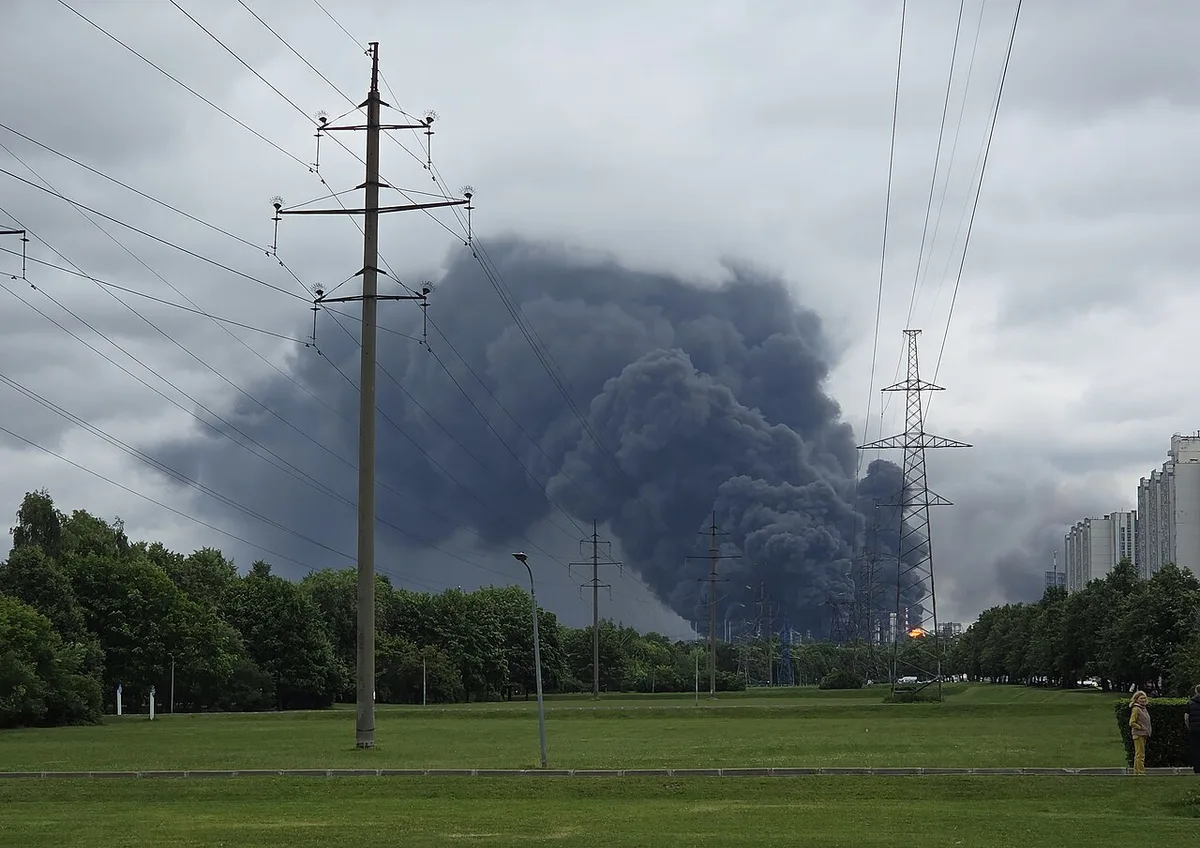
Around fifty drones came under fire over the Rostov region through the night of September 24 into the 25th. Governor Yuri Slyusar was accounting for the damage at the Novoshakhtinsk Oil Products Plant, a refinery that turns crude oil into fuels and other products. The facility had been hit. “No one was hurt. The enterprise has temporarily suspended operations,” Slyusar said. The plant halted on September 25.
Capacity figures for the place never settle on a single number. Some accounts put it near 3.3 million metric tons of oil a year; others reach 5 million, or roughly 100,000 to 110,000 barrels a day. Nearly all of the output is meant for export rather than Russian pumps. Novoshakhtinsk was the first Russian refinery struck in the war, hit in June 2022. Drones had reached it again only a month earlier, on August 25. The latest overnight strike forced another stop.
Both primary refining units at Rosneft’s Kuibyshev Refinery took damage on the night of September 23. AVT-4 and AVT-5 each process about 10,000 metric tons of crude a day. An AVT is the first major stage inside a refinery: crude oil enters these units, is heated, and separates into the basic streams that later become gasoline, diesel, jet fuel and other products. Everything downstream depends on that first cut. Hitting both AVT-4 and AVT-5 at once removed the plant’s twin starting points. Fuel production at the Samara plant had already halted on September 22. Industry sources told Reuters the pair had been damaged in the overnight attack. Together the two units account for about 20,000 metric tons of daily primary capacity.
Rosneft is Russia’s largest oil company and is state-owned. The country’s petroleum industry ranks among the world’s biggest, and companies like Rosneft run the plants that turn extracted crude into fuels for export and domestic use. Kuibyshev is one of those sites. With both primary units damaged, the Samara refinery lost the opening step of its process.
Mikhail Yevrayev, governor of the Yaroslavl region, spoke on September 17 after the overnight assault. “A major attack by enemy drones was repelled today. 65 drones have been downed. No deaths or injuries have been reported. An oil refinery was damaged. Fire is being put out.”
He gave no name for the plant. Ukrainian outlets and the OSINT channel ASTRA, working from geolocated eyewitness video, identified the fire at Slavneft-YANOS in Yaroslavl, a refinery jointly controlled by Rosneft and Gazprom with a capacity of about 15 million tonnes a year. The same facility halted operations that day. It is one of the plants that supply fuel toward Moscow. If the identification holds, this was possibly the eighth fire there in 2026. Earlier dates run March 28, April 26, May 8, May 22, July 6, July 16, August 6 and August 28.

On September 20, Gazprom Neft’s Moscow refinery shut down. One of the main gasoline suppliers to the capital region had stopped.
The night of September 14 to 15 damaged the CDU-6 unit at Rosneft’s Syzran refinery. That single unit held 71 percent of the plant’s processing capacity and needed at least a month to repair. The remaining 29 percent had already been out of service after a July attack. Nothing was left running.
Saratov stopped on September 11 or 12. The two Rosneft plants together carry capacity of more than 15 million metric tons of crude a year. Both remained offline. Ryazan had already halted on September 6. Its main unit, CDU-6, caught fire in the strike, and CDU-4 halted too. Industry sources told Reuters the refinery ceased operations after that attack. The primary units stayed down.
Before 05:00 local time a drone alert was declared across Perm. At 08:03 Bolshoye Savino airport closed to all flights. Governor Dmitry Makhonin said 39 drones had been brought down over the region. One man was killed by shrapnel. Emergency crews worked an industrial site the governor did not name; the regional environmental watchdog reported no excess pollution. Ukrainian outlets and open-source channels named Lukoil’s PNOS Perm refinery, a plant rated at 260,000 barrels a day and last attacked in early September. Some of those reports said its AVT-5 crude distillation unit took a hit on September 25. Neither Lukoil nor any Russian official confirmed a strike on the refinery.
In Ulyanovsk, Governor Alexei Russkikh said eight people were injured, one of them a child, and that five of the adults and the child were in moderate condition. Monitoring channel Exilenova+ identified the Iskra plant, an electronic-components maker belonging to the Almaz-Antey defence group. Voronezh governor Alexander Gusev reported 88 drones destroyed over the city and six districts and four people injured, two of them women with shrapnel wounds. Ukrainian outlets claimed a storage-tank fire at Sibur’s Voronezhsintezkauchuk synthetic rubber plant. Moscow mayor Sergei Sobyanin said drones approaching the capital had been destroyed. A note from ua.news, uncorroborated elsewhere, said partisans had destroyed a drone depot in the Sverdlovsk region.
Seven Russian refineries have ceased operations since early September, according to the ua.news tally on September 25.
How it spread
Russia's refineries keep getting hit even as truce talks drag on, which only prolongs the fighting.
These drone hits on the Kuibyshev plant will likely tighten fuel supplies for civilians in that region for months.