


Study Finds Climate Change Made Hurricane Polo Conditions 23 Times More Likely
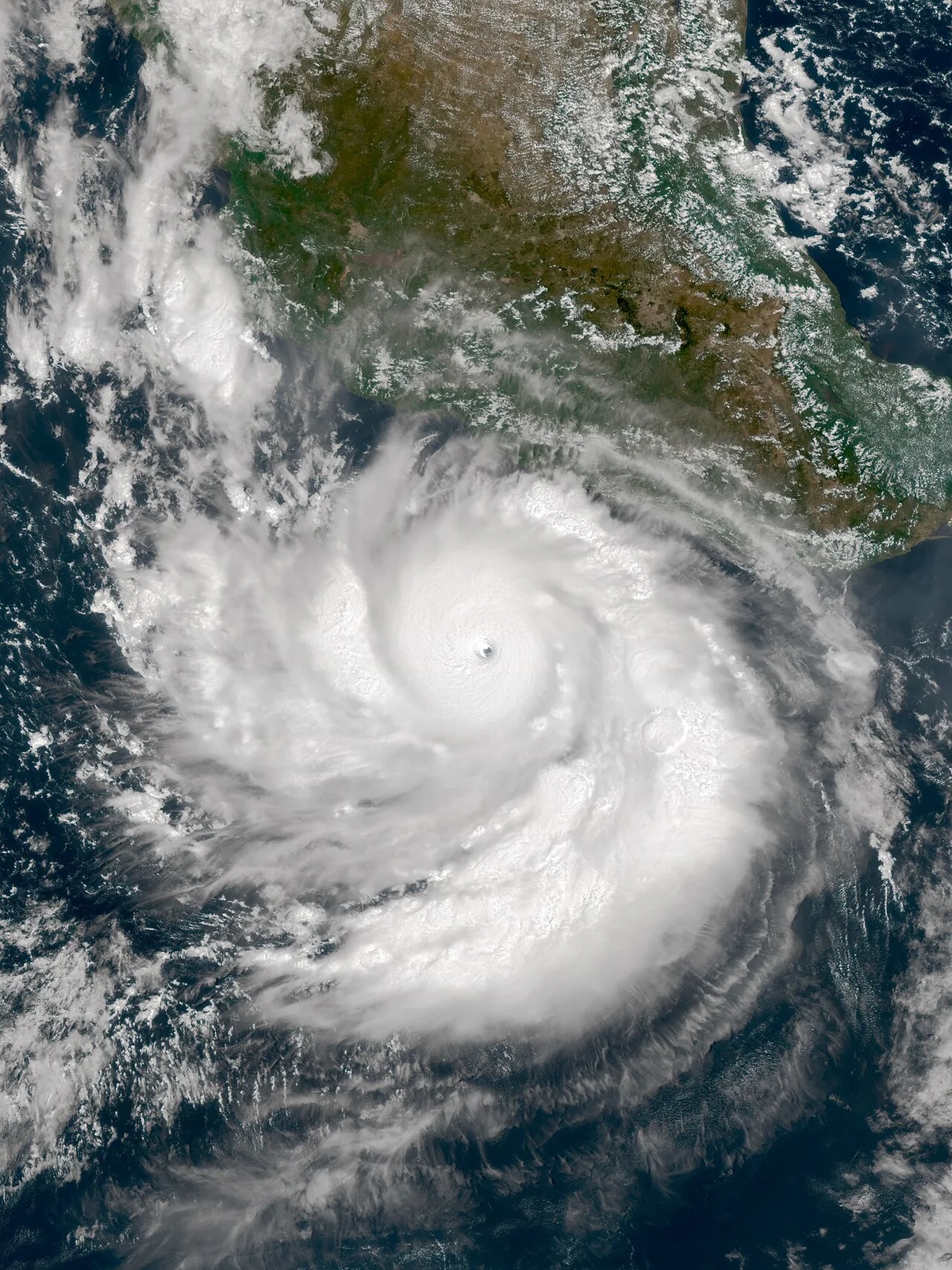
A study published Oct. 15, 2026 by World Weather Attribution and Climate Central found climate change made Hurricane Polo's fueling conditions 23 times more likely and added about 6 mph to winds, versus El Nino at 14 times and about 5 mph. Polo held Category 5 about two and a half days, a Pacific record, after rising from tropical storm to Category 5 in about 24 hours. Ocean waters reached 31.2 C, up to 2 C above normal. The storm weakened before hitting a sparsely populated part of Mexico. Co-author Friederike Otto said climate change's effect exceeded El Nino's and will grow with fossil-fuel burning, so every East Pacific hurricane now has that signal. Kristina Dahl said climate change remains the dominant signal as El Nino shifts hazards. Brian Tang, not on the study, said he was initially surprised climate change was bigger given the extreme El Nino, but long-term it may not surprise. Jeff Masters, Michael Mann and Carl Schreck said the study underestimates climate change's boost. Daniel Gilford said the report could underestimate a bit while staying conservative. The unreviewed study compared the real world to one without 1.4 C of warming since pre-industrial times.