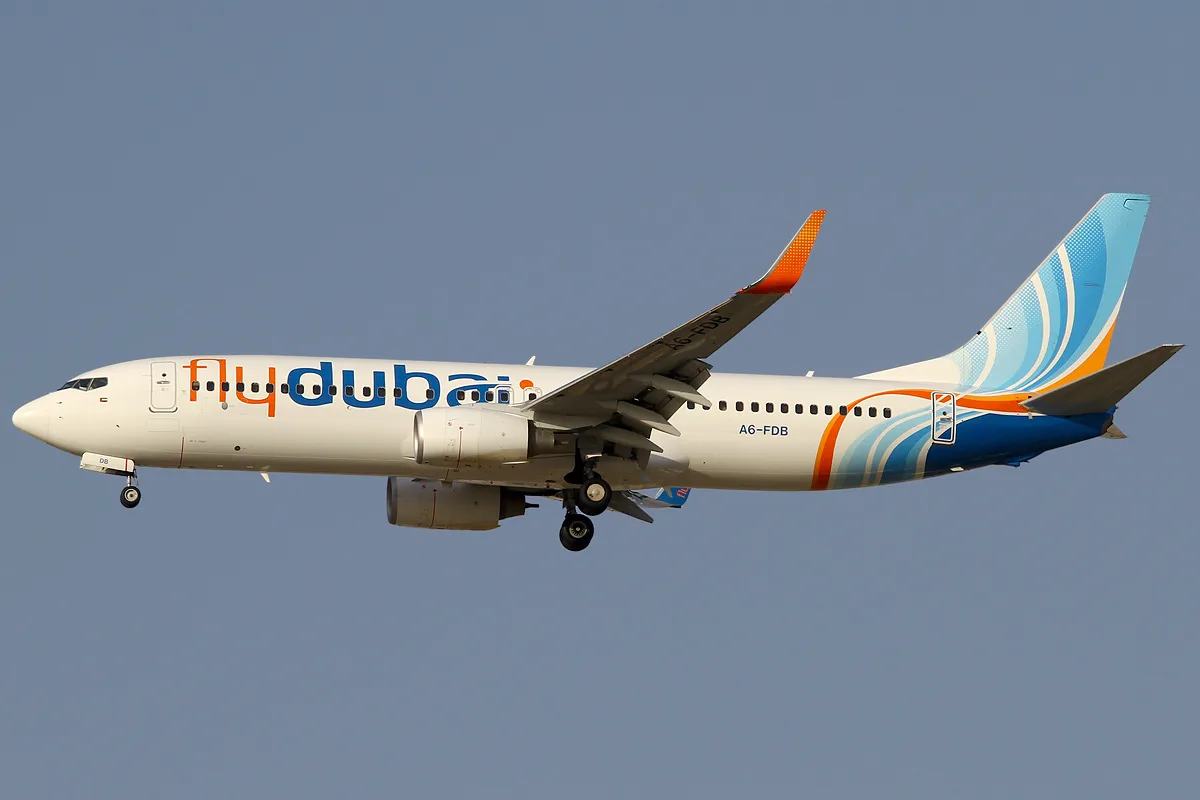



Israel-bound flight issues hijacking alert after cockpit incident
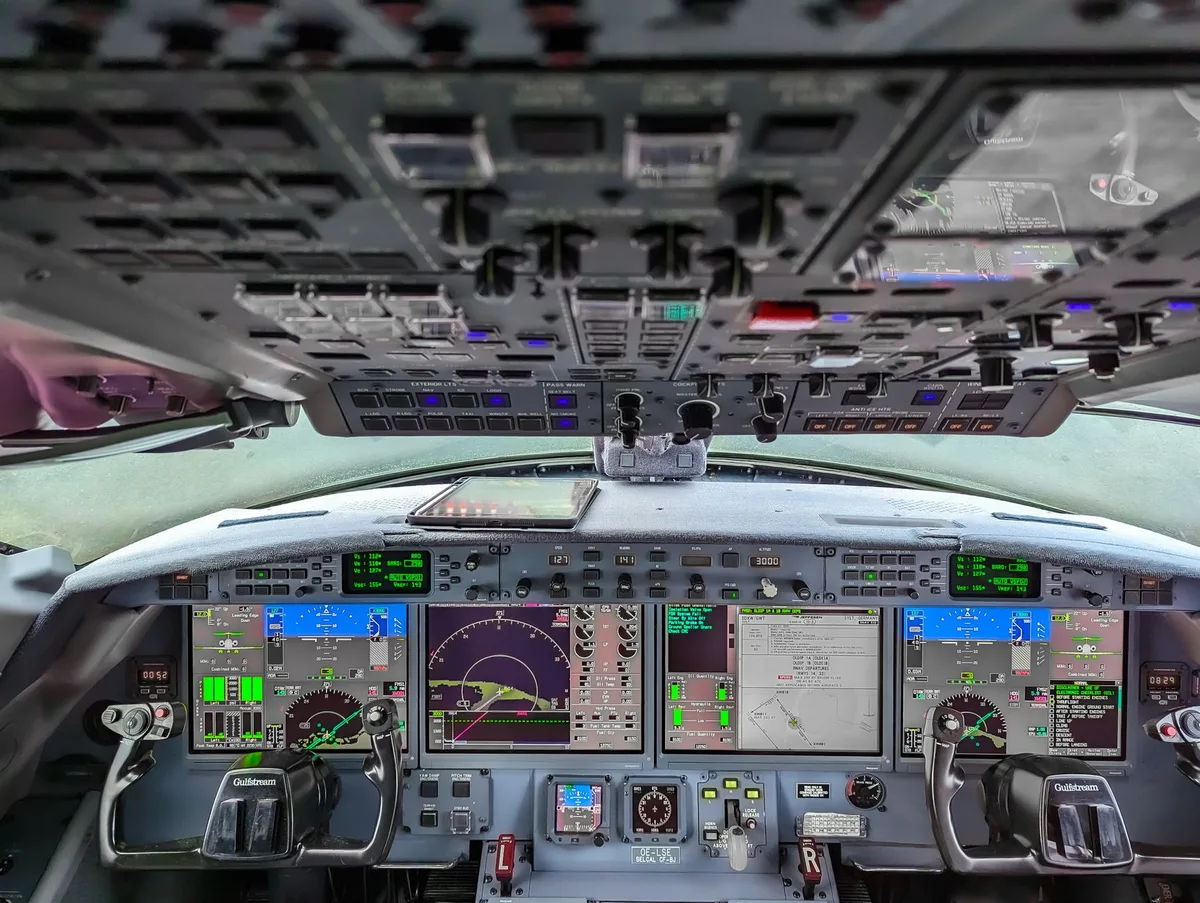
Captain Smit Machchhar forced open the cockpit door mid-flight and called for help. The two pilots had been fighting. Screams filled the cabin of the Flydubai jet bound from Dubai to Tel Aviv. When the door opened, passenger Miriam Ohayon said, there was a lot of blood.
Yasmin Ohayon, Miriam’s mother, said a woman seated beside her daughter saw the fight in the cockpit and alerted others. Yasmin Abukasis, whose daughter was aboard, said her daughter heard cries for help and believed passengers were subduing an attacker while others tried to regain control of the aircraft. Passengers and crew rushed the open door.
An unnamed official told Channel 12: “One pilot stabbed the other and tried to do 9/11.”
The plane lost control and dropped into a sharp descent. Miriam Ohayon said that within minutes it felt as if they were about to crash. An unnamed passenger told i24: “We were either going to crash or be murdered. It was like a terrorist attack in mid-air.”
Flight FZ1073 was Flydubai’s service from Dubai to Ben Gurion Airport in Tel Aviv, carrying 174 passengers, including 27 children. Flightradar24 showed the aircraft transmit emergency code 7500, the international signal for a hijacking, then switch to 7700, the general emergency code. The plane dropped from about 33,000 feet to 17,000 feet. It lost 4,000 meters of altitude.
Israel scrambled fighter jets on the alert. Yamam, the national counter-terrorism and hostage-rescue unit, was placed on alert for a scenario in which hijackers might hold the passengers and make demands that would require negotiation and rescue. Officials feared that if control was not regained the jet could reach Israel and deliver an attack like the September 11 strikes, when nearly 3,000 people were killed after hijacked airliners hit the World Trade Center, the Pentagon, and a field. A mid-air shoot-down was viewed as the only way to stop that.
Three Israeli passengers jumped to the cockpit door. They subdued the attacking co-pilot, took preliminary control of the aircraft, and called for a doctor. A doctor and a nurse already aboard tended the wounded captain. Those spare pilots took the controls. “In addition to that, there were two additional pilots on the flight… that few seconds after the Israelis entered the cabin… were able to take control of the flight and actually get it to fly safely and land in Saudi Arabia,” Reuven Azar, Israel’s ambassador to India, said.

The aircraft diverted and landed safely in Tabuk, Saudi Arabia. “So, we had here people, first of all, the Indian captain who has been really admired in Israel, both by the Prime Minister, the President, the head of the Parliament and the entire Israeli people for what he did. He saved so many lives,” Azar said. The captain who had forced the door open under attack was still among the injured.
Both the captain and the first officer were injured and hospitalized. Israeli sources said the alleged co-pilot was a native of Oman, a country that does not have normal diplomatic relations with Israel. An Israeli doctor had stabilized the captain while the aircraft was still in the air. “He was stabilised on the plane by an Israeli doctor. But immediately after the plane landed in Saudi Arabia, the Saudi Arabian authorities are taking care of him,” Azar said. Saudi authorities then assumed care of the captain.
Prime Minister Benjamin Netanyahu met Yaniv, one of the Israelis who had helped subdue the co-pilot. Netanyahu said one of the two pilots on the flight had planned to crash the plane and kill the passengers, but a major disaster was averted.
The motive remained unknown. “We are in a very preliminary stage. I think that following the investigation of the attacker, we’ll be able to learn more,” Azar said.
Israel had prepared one further contingency if the aircraft went down in Jordan or Saudi Arabia. Shaldag, the Israeli Air Force special commando unit, stood ready to reach any passengers and crew still aboard. The same unit had taken part in the April rescue of two U.S. aircrew after an F-15E Strike Eagle crashed in Iran.
A second Flydubai aircraft carried the passengers the rest of the way. Most of those on board were Israeli citizens. They transferred to that relief flight once the original jet had come to rest in Tabuk and continued toward Israel. Flydubai reported that every passenger and every crew member from FZ1073 was safe and accounted for. On September 30, the day of the incident, the airline announced it was suspending all of its flights to and from Israel. The suspension would hold for the duration of the investigation. Flydubai said it would cooperate with the authorities examining the case. Any decision to restore service on the Israel routes, the airline said, would be considered according to new developments.
Reuven Azar addressed the military response that had answered the emergency codes. “Of course, immediately fighter jets were called into the air and fortunately, they didn’t have to take action,” he said.