



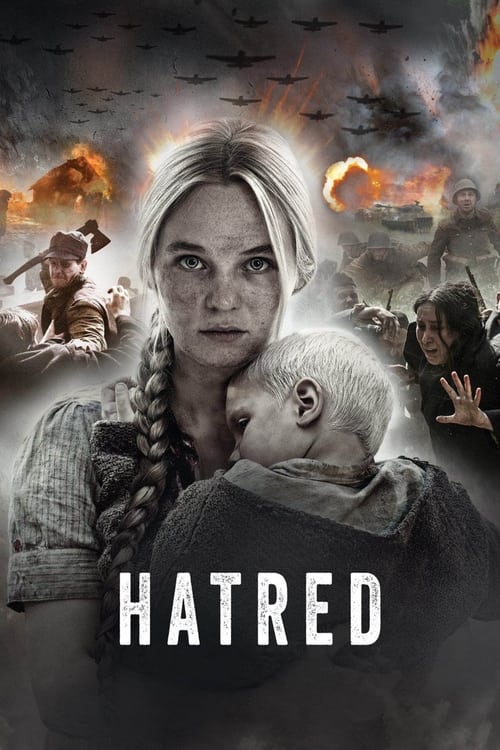


Volhynia or Hatred (Polish: Wołyń) is a 2016 Polish war drama directed by Wojciech Smarzowski. The film is set in the 1939–1943 time frame and its central theme is Ukrainian anti-Polish hatred culminating in massacres of Poles in Volhynia. The screenplay was based on the collection of short stories titled Hate (Polish: Nienawiść) by Stanisław Srokowski.
The film was nominated for the Golden Lions Award at the 41st Gdynia Film Festival, where it received three awards: for the cinematography, best debut, and best makeup.
Contents
Plot
The movie tells the story of a young Polish girl, Zosia Głowacka, from a village settled by Ukrainians, Poles and Jews in Volhynia.
The story begins shortly before the outbreak of World War II in 1939 with the marriage of Zosia's sister to a Ukrainian. During the wedding, Zosia's father decides that she has to
marry an older village administrator and a widower, Maciej Skiba, despite her being deeply in love with a young, local Ukrainian boy, Petro. The local Ukrainian population shows a lot of resentment towards Polish officials, as they favor the Polish minority in Volhynia. Because of that, some Ukrainians carry out terrorist attacks against Polish authorities and Ukrainian collaborators. These attacks are met with severe actions from the Polish government, including closing Orthodox churches and the humiliation of the Ukrainian population. Despite that, some parts of the Ukrainian and Polish populations try to reconcile with each other.
When the war begins, Maciej gets conscripted to the Polish Army to fight against the Germans in the September Campaign. When the campaign is lost, Maciej and other survivors try to return to their homes. On their way back, all members of the group, except Maciej, are captured by local Ukrainians, tortured and killed. Maciej manages to get to the village thanks to disguising himself as a Ukrainian. The village is in the eastern part of Poland, which gets occupied by the Soviet Union, and communist rule is established in the village. The local Ukrainian and Jewish populations co-operate with the Soviet authorities, replacing prewar Polish authorities as governors.
In the meantime, Zosia gets pregnant, most likely by Petro, but wants Maciej to believe that the child is his. As a part of a massive deportation of the Polish population carried out by the Soviets in 1939–1941, Zosia, Maciej and his children, are about to be sent to Siberia or Kazakhstan to do forced labour. Zosia and the children are rescued in the last moment, just as the train is about to depart. Petro
bribes the guard with vodka. When they come back to Petro's home, Zosia gets contractions. While she is giving birth to her child, the now drunken guard arrives and kills Petro. Zosia then takes care of Maciej's home and children during his absence. The children are sent to a school organized by the Soviets.
Cast
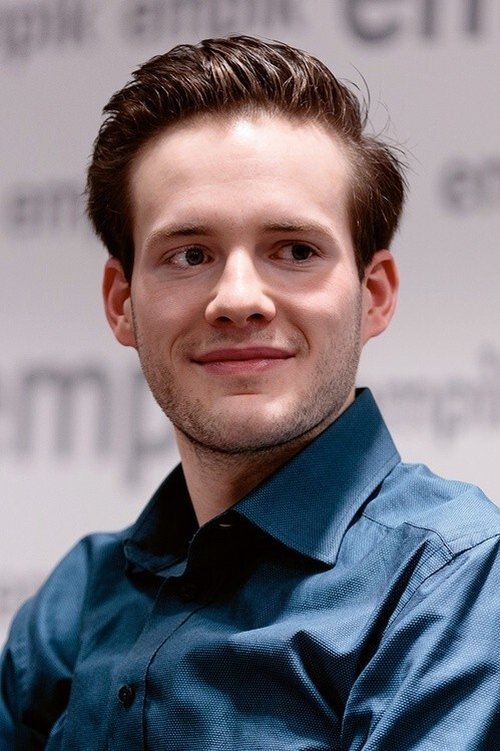
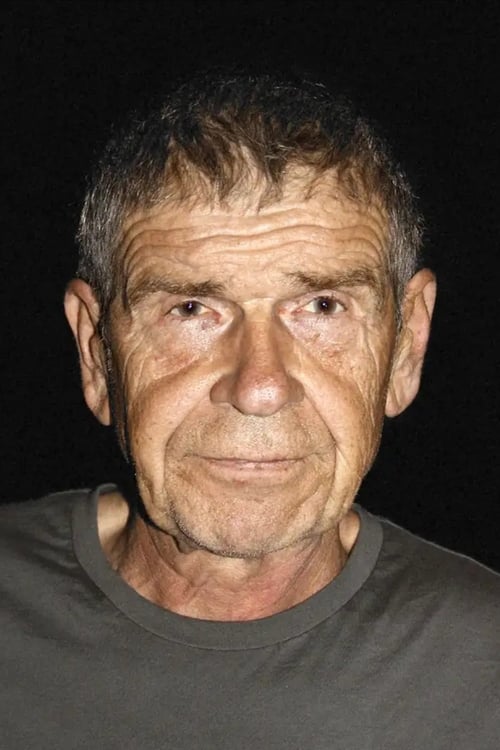
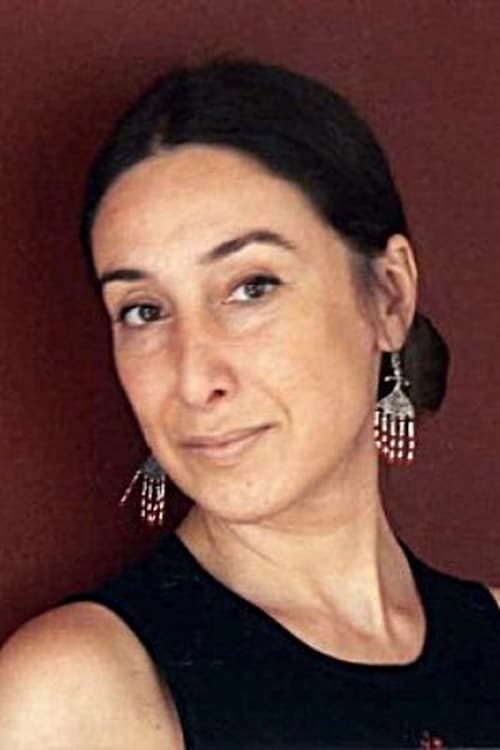
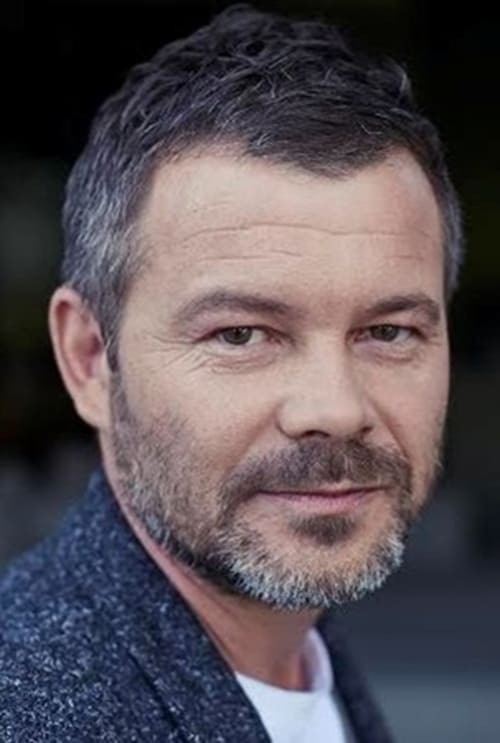
Michalina Łabacz as Zosia Głowacka
Arkadiusz Jakubik as Maciej Skiba
Vasyl Vasylyk as Petro
Izabela Kuna as Głowacka, Zosia's mother
Adrian Zaremba as Antek Wilk
Lech Dyblik as Hawryluk
Jacek Braciak as Głowacki, Zosia's father
Tomasz Sapryk as Izaak Menzl
Jarosław Gruda as Lisowski
Wojciech Zieliński as "Chmura"
Sebastian Stegmann as German
Andrzej Popiel as Romek Głowacki, Zosia's brother
Oleksandr Chesherov as Mykola Melenchuk
Roman Skorovskyi as Stepan Czuma
Iryna Skladan as Olga Hypyna, Petro's mother
Aleksandr Zbarazhskiy as Vasyl Huk
Heorhiy Povokotskyi as the miller
Oles Fedorchenko as Ivan Huk
Ludmila Goncharova as Petro's sister
Serhiy Bakhyk as Andriy Kurchuk
Volodymyr Protsyuk as Orlyk Libera
Production
As the budget of the film was insufficient, the director appealed to the public for financial support in order to gather required funds to finish the film. Afterwards, the financial support was received from, for example, Telewizja Polska.
Filming took place in: Lublin, Kolbuszowa, Kazimierz Dolny, Rawa Mazowiecka, Sanok and Skierniewice, from 19 September 2014 to 21 August 2015.
Release
Volhynia had its world premiere at the 41st Gdynia Film Festival on 23 September 2016. It was theatrically released in Poland by Forum Film Poland on 7 October 2016.
Awards and nominations
2016: Nomination for the Golden Lions Polish Film Award at the 41st Gdynia Film Festival.
2016: Best Cinematography Award to Piotr Sobociński at the 41st Gdynia Film Festival
2016: Best Debut Award to Michalina Łabacz at the 41st Gdynia Film Festival
2016: Best Makeup Award to Ewa Drobiec at the 41st Gdynia Film Festival
Reception
In Poland
In Tadeusz Sobolewski's opinion, Volhynia is a movie without precedents in Polish cinema after 1989. Piotr Zychowicz and Pawel Lisicki praised the movie, underlying its authenticity and historical accuracy. Grażyna Torbicka and Tomasz Raczek both expressed surprise the film had not received the main award at the 2016 Gdynia Film Festival in Poland. Jakub Majmurek wrote that Volhynia has met his high expectations and is one of the best movie describing the history of the "bleeding lands". The author also believes that the director of the movie, Smarzowski, presented the relations between Poles and Ukrainians honestly, and the notion of the movie is a warning against any form of radicalism. Ewa Siemaszko, who cooperates with the Institute of National Remembrance to uncover the historical facts of the massacres of Poles in Volhynia and Eastern Galicia, thinks that the movie shows the events accurately. She quoted opinions of witnesses of the genocide, who said the movie is like a documentary on the events in Volhynia. Ewa Siemaszko additionally remarked that the massacres of Poles in Volhynia was genocide with exceptional cruelty – "genocidium atrox". It was a fierce, cruel and terrible genocide.
In Germany
According to Gerhard Gnauck, Volhynia was the film that for which Polish society had long waited. On the occasion of the premiere, Gnauck recalled the history of the region and the Polish-Ukrainian relations. The author cited expectations of some political experts that the movie may chill the relations, arouse negative emotions in Ukraine and be exploited by the Russians to unleash anti-Ukrainian propaganda. Gnauck has underlined the episode of Zosia and her child seeking shelter around a unit of the German Army. In Gnauck's opinion, the film is very good and balances the rights of both sides.
In Ukraine
Following the recommendation of the Ukrainian ambassador to Poland, Andrii Deshchytsia, showing the film has been banned in Ukraine. Reportedly, the censorship was rationalized by the Ukrainian authorities, who alleged that the film "could cause unrest on the streets of Kyiv". The head of the Ukrainian Association in Poland, Piotr Tyma, supported the ban by asserting that the film undermined Polish-Ukrainian reconciliation efforts. The Ukrainian media accused the director of making a biased film "based only on Polish historical sources". The first such screening was planned by the Polish embassy in Kyiv. It was to have been followed by a discussion with the director. Among the Ukrainian guests invited to attend was the president, prime minister and some MPs. However, Ukraine's foreign ministry strongly recommended the Polish embassy to call off the screening for the sake of "public order". Accordingly, the Polish Foreign Ministry spokesman Rafał Sobczak said that the introductory screening had been cancelled. Talks might be held about a possible new date of limited viewing. The Polish Institute in Kyiv followed the recommendation from Ukraine's foreign ministry and called off the presentation of a film set against the backdrop of World War II massacres.
During the production of the film, some Ukrainian actors who were invited to play characters rejected the offer after reading about them because they thought that the film propagated hate.
Andriy Lyubka noted that after the premiere of the film "Polish-Ukrainian relations will roll back 10 years".
Nevertheless, the film received positive reception from Nadiya Savchenko, at the time a member of the Ukrainian parliament, who welcomed the opportunity to talk about painful events of the past and noted many positive developments in today's Polish-Ukrainian relations.
Historical episodes
The figure of officer in the Home Army arriving at the meeting with Ukrainians refers to the poet and officer Zygmunt Rumel, who was killed by the UPA and tied to four horses, and on 10 July 1943, his body was ripped apart.
The scene of attack on the church refers to events from 11 July 1943 in the village Kisielin (Kisielin massacre) called Bloody Sunday on Volhynia. Similar events take place in the same day in Poryck (Poryck massacre), Chrynów (Chrynów massacre), Krymno and Zabłoćce.
The scene of blessing of axes and scythes refers to the events from 28 August 1943 in the village of Sztuń, near Liuboml.
The preaching in the Orthodox church took place on 27 September 1943 in the village of Iwankowicze.
The Polish reprisal can relate to the Sahryń massacre (10 March 1944) or to the Pawłokoma massacre (3 March 1945) although in Pawłokoma, women and children were spared.