1950s–1990s
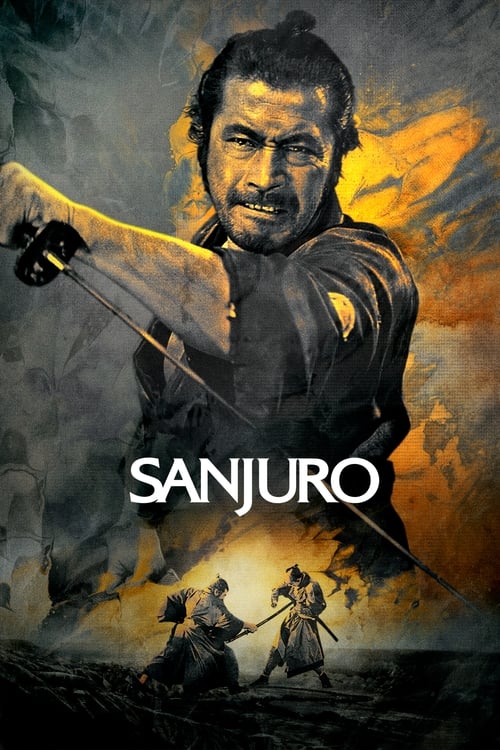
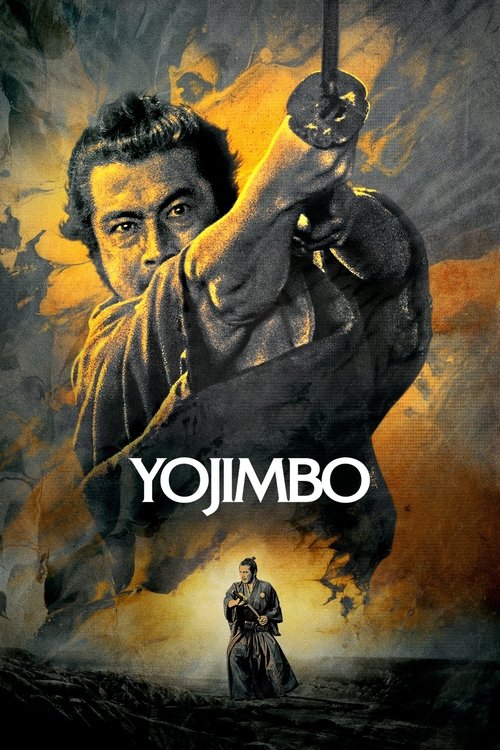
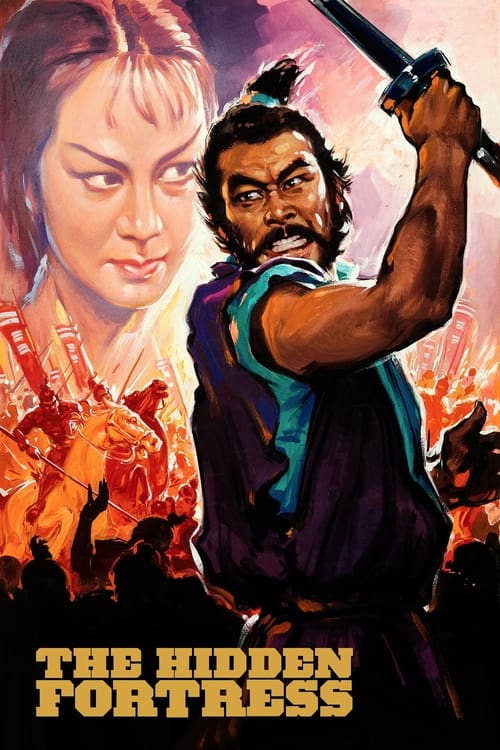
His imposing bearing, acting range, facility with foreign languages and lengthy partnership with acclaimed director Akira Kurosawa made him the most famous Japanese actor of his time, and easily the best known to Western audiences. He often portrayed samurai or rōnin who were usually coarse and gruff (Kurosawa once explained that the only weakness he could find with Mifune and his acting ability was his "rough" voice), inverting the popular stereotype of the genteel, clean-cut samurai. In such films as Seven Samurai and Yojimbo, he played characters who were often comically lacking in manners, but replete with practical wisdom and experience, understated nobility, and, in the case of Yojimbo, unmatched fighting prowess. Sanjuro in particular contrasts this earthy warrior spirit with the useless, sheltered propriety of the court samurai. Kurosawa valued Mifune highly for his effortless portrayal of unvarnished emotion, once commenting that he could convey in only three feet of film an emotion for which the average Japanese actor would require ten feet. He starred in all three films of Hiroshi Inagaki's Samurai Trilogy (1954–1956), for which the first film in Samurai I: Musashi Miyamoto was awarded an Honorary Academy Award. Mifune and Inagaki worked together on twenty films, which outnumbered his collaborations with Kurosawa, with all but two falling into the jidaigeki genre, most notably with Rickshaw Man (1958), which won the Venice Film Festival Golden Lion.
He was also known for the effort he put into his performances. To prepare for Seven Samurai and Rashomon, Mifune reportedly studied footage of lions in the wild. For the Mexican film Ánimas Trujano, he studied tapes of Mexican actors speaking so that he could recite all of his lines in Spanish. Many Mexicans believed that Toshiro Mifune could have passed for a native of Oaxaca due to his critically acclaimed performance. When asked why he chose Mexico to do his next film, Mifune quoted, "Simply because, first of all, Mr. Ismael Rodríguez convinced me; secondly, because I was eager to work in beautiful Mexico, of great tradition; and thirdly, because the story and character of 'Animas Trujano' seemed very human to me". The film was nominated for both a Golden Globe and an Oscar. Mifune gave a Japanese pistol as a gift to then-Mexican president Adolfo López Mateos when they met in Oaxaca.
Mifune has been credited as originating the "roving warrior" archetype, which he perfected during his collaboration with Kurosawa. His martial arts instructor was Yoshio Sugino of the Tenshin Shōden Katori Shintō-ryū. Sugino created the fight choreography for films such as Seven Samurai and Yojimbo, and Kurosawa instructed his actors to emulate his movements and bearing.
Clint Eastwood was among the first of many actors to adopt this wandering ronin with no name persona for foreign films, which he used to great effect in his Western roles, especially in Spaghetti Westerns directed by Sergio Leone where he played the Man with No Name, a character similar to Mifune's seemingly-nameless rōnin in Yojimbo.
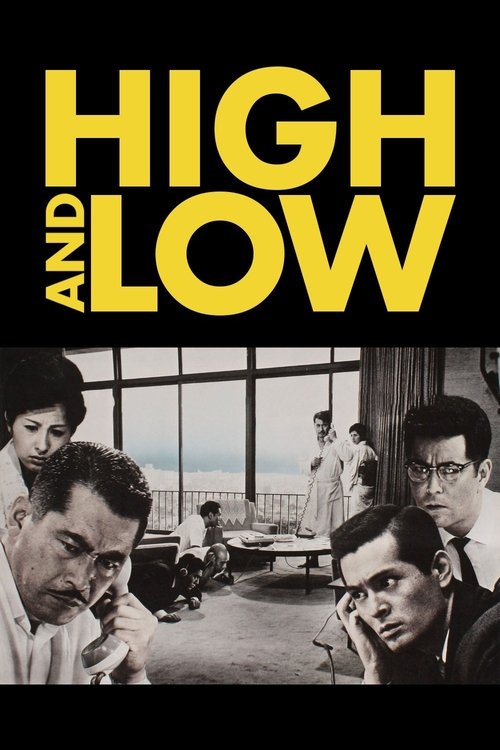
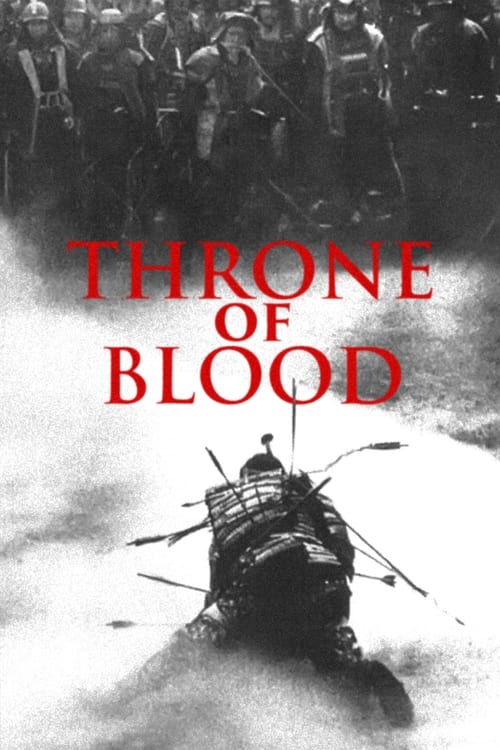
Mifune may also be credited with originating the yakuza archetype, with his performance as a mobster in Kurosawa's Drunken Angel (1948), the first yakuza film. Most of the sixteen Kurosawa–Mifune films are considered cinema classics. These include Drunken Angel, Stray Dog, Rashomon, Seven Samurai, The Hidden Fortress, High and Low, Throne of Blood (an adaptation of Shakespeare's Macbeth), Yojimbo, and Sanjuro.
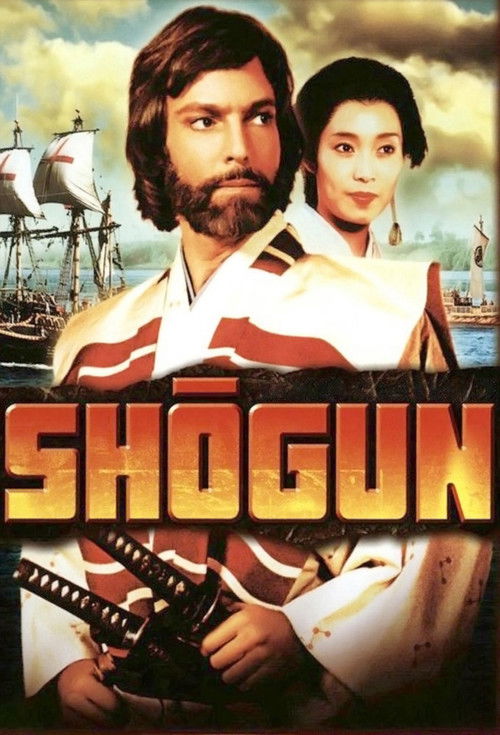
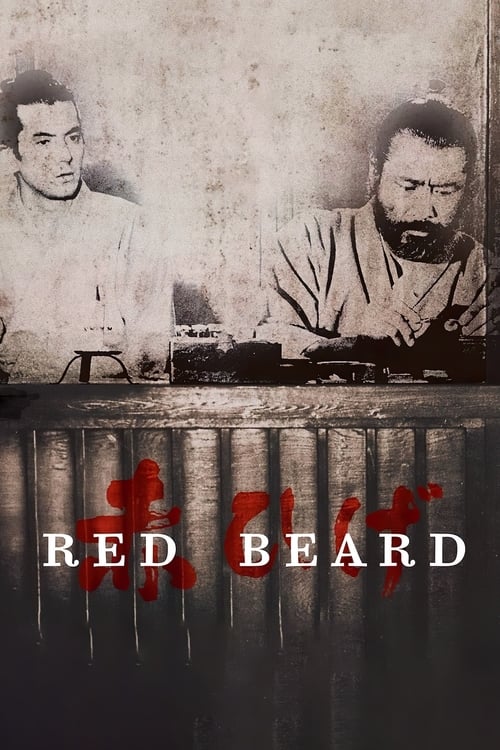
Mifune and Kurosawa finally parted ways after Red Beard. Several factors contributed to the rift that ended this career-spanning collaboration. Mifune had a passion for film in his own right and had long wanted to set up a production company, working towards going freelance. Kurosawa and Taniguchi advised against it out of concern they would not be able to cast Mifune as freely. Most of Mifune's contemporaries acted in several different movies in this period. Since Red Beard required Mifune to grow a natural beard — one he had to keep for the entirety of the film's two years of shooting — he was unable to act in any other films during the production. This put Mifune and his financially strapped production company deeply into debt, creating friction between him and Kurosawa. Although Red Beard played to packed houses in Japan and Europe, which helped Mifune recoup some of his losses, the ensuing years held varying outcomes for both Mifune and Kurosawa. After the film's release, the careers of each man took different arcs: Mifune continued to enjoy success with a range of samurai and war-themed films (Rebellion, Samurai Assassin, The Emperor and a General, among others). In contrast, Kurosawa's output of films dwindled and drew mixed responses. During this time, Kurosawa attempted suicide. In 1980, Mifune experienced popularity with mainstream American audiences through his role as Lord Toranaga in the television miniseries Shogun, which Kurosawa criticised for its historical inaccuracy. Mifune spoke respectfully of Kurosawa and loyally attended the premiere of Kagemusha.
Mifune turned down an opportunity from United Artists to play the Japanese spy chief Tiger Tanaka in the James Bond film You Only Live Twice (1967). According to his daughter, he also turned down an offer from George Lucas to play either Darth Vader or Obi-Wan Kenobi in Star Wars (1977). Mifune was considered for the role of Spock's nemesis in the unproduced Star Trek film Star Trek: Planet of the Titans.
Mifune himself was always professional, memorizing all of his lines and not carrying scripts on set. He was seen as unusually humble for an international star, and was known for treating his co-stars and crew generously, throwing catered parties for them and paying for their families to go to onsen resorts. When American actor Scott Glenn was asked about his experience of filming The Challenge (1982) alongside Mifune, Glenn recalled disappointment that the original script (about "a surrogate father and son finding each other from completely different cultures") lost its "character-driven scenes" and was reduced to "a martial arts movie" but stated, "...I remember Mifune came to me, and he said, "Look, this is what's happening. I'm disappointed, and I know you are, but this is what it is. So you can either have your heart broken every day, or you can use this experience as an opportunity to be spending time in the most interesting time in Japan and let me be your tour guide." So it wound up with me learning an awful lot of stuff from Toshirô."
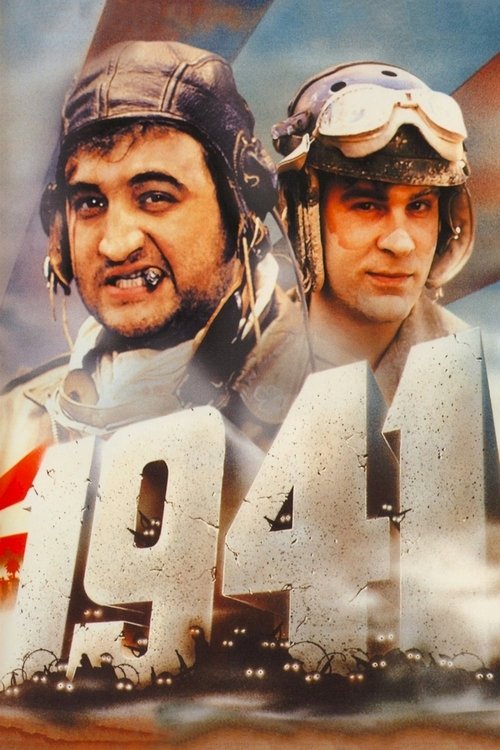
In 1979, Mifune joined the ensemble cast of the Steven Spielberg war comedy 1941 as the commander of a lost Imperial Japanese Navy submarine searching for Hollywood shortly after the Pearl Harbor attack. Mifune received wide acclaim in the West after playing Toranaga in the 1980 TV miniseries Shogun. However, the series' blunt portrayal of the Tokugawa Shogunate and the greatly abridged version shown in Japan meant that it was not as well received in his homeland.
The relationship between Kurosawa and Mifune remained ambivalent. Kurosawa criticized Mifune's acting in Interview magazine and also said that "All the films that I made with Mifune, without him, they would not exist". He also presented Mifune with the Kawashita award which he himself had won two years prior. They frequently encountered each other professionally and met again in 1993 at the funeral of their friend Ishirō Honda, but never collaborated again.