As Director-General
Davie expressed concern on the targeting of Persian journalists in the BBC by Iran, saying they witnessed "significant and increasingly alarming" escalation in attempts to pressure BBC Persian journalists' families in Iran, including arbitrary interrogations, travel bans, passport confiscations, and threats of asset seizures.
In September 2020, appearing before the Digital, Culture, Media and Sport Committee, Davie justified the salary of BBC's highest paid star Gary Lineker, saying the salary was worth it because of the value of analysis to the viewing audience.
In October 2020, Davie set out new guidelines for BBC staff, stating that they should avoid expressing their personal views on current issues of political controversy (which he called "virtue signalling") on their own private social media accounts. He said this was to reduce perceived bias in the BBC. This would include a ban on news reporters taking part in "public demonstrations or gatherings about controversial issues", with some BBC managers citing trans rights and Black Lives Matter as examples. Davie later said that journalists could attend events such as Pride marches if they were "celebratory" and not "taking a stand on politicised or contested issues".
Davie has stated: "As editor in chief of the BBC I think one of our founding principles is impartiality and that's what we are delivering on". A former Conservative Party candidate, Davie announced his intention in August 2020 for the BBC to "find a better balance of satirical targets rather than constantly aiming jokes at the Tories." He announced his support of the licence fee as opposed to a Netflix style subscription service.
In December 2021, Davie was elected to the Executive Board of the European Broadcasting Union. He was re-elected in December 2022 to serve a further two years on the Board, until December 2024.
Davie oversaw major cuts to BBC Local Radio content in late Summer 2023, resulting in the reduction of locally produced content to just eight hours per day from Monday to Friday and no weekend coverage (with the exception of live men's football commentary). The implementation of the cuts was criticised, with MPs referring to the redundancy process as "workplace bullying" and the cuts in general as "managing decline".
In November 2023, Danny Cohen, a former director of television for the BBC, alleged that the organisation was "institutionally antisemitic" especially in its coverage of Israel. The previous month, Davie had apologised to the 1922 Committee (backbench group of Conservative MPs) for some inaccuracies in the BBC's coverage of the Gaza war.
In March 2024, Davie announced a review of the BBC licence fee with a focus on reforms.
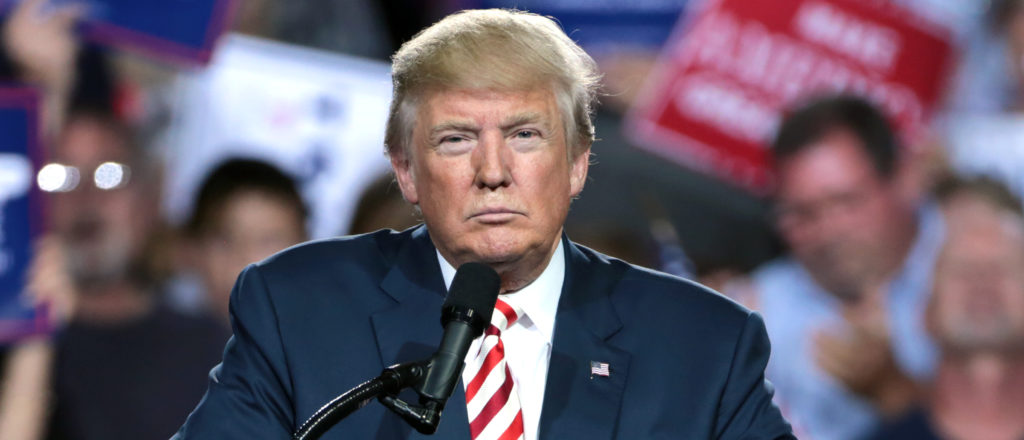
On 9 November 2025, Davie announced his resignation. The BBC announced that he would step down following a leaked internal memo stating a Panorama documentary on Donald Trump made it appear Trump directly called for the January 6 United States Capitol attack. Davie was also under heavy criticism over other issues, which include allegations of pro-transgender editorial bias, and the release of a documentary about the Gaza war, Gaza: How to Survive a Warzone, in which the BBC failed to disclose that the narrator was a son of a Hamas official.
Deborah Turness, CEO of BBC News, also announced her resignation at the same time.
On 25 March 2026, the BBC announced that former Google executive Matt Brittin will replace Davie as director general on 18 May 2026, after Davie departs on 2 April.