Casting
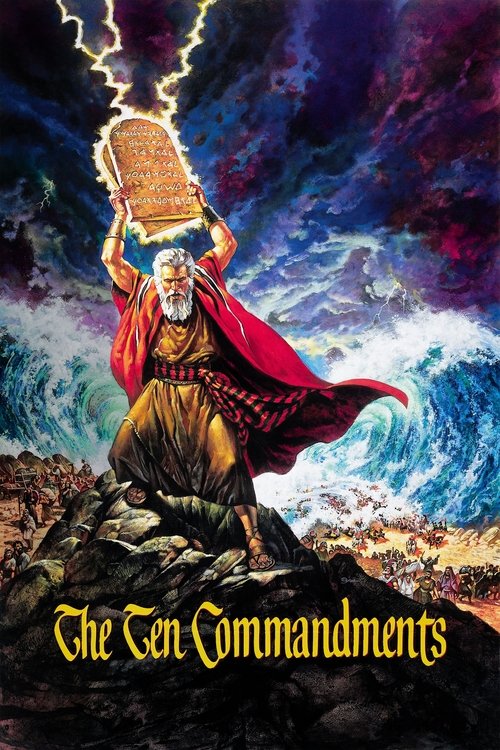
In December 1952, Jeff Chandler sought the role of Moses in the upcoming DeMille epic. In October 1953, DeMille said his favorite choice was Charlton Heston, the star of his previous film, The Greatest Show on Earth. He also considered casting a middle-aged man. In December, DeMille offered the part to quinquagenarian actor William Boyd, who was famous for his portrayal of cowboy Hopalong Cassidy on television and had worked with DeMille in the silent era, but Boyd's representative said the actor was "worried that it will be out of character." In January 1954, Dan Dailey said he wanted to play Moses in DeMille's film. The following month, Heston and Kirk Douglas were reported to be two of the many top stars who wanted the role. In May, DeMille briefly considered Rock Hudson after he saw him in Magnificent Obsession. Interviewed twice by the director, Heston finally won the role when he impressed DeMille with his knowledge of Moses and ancient Egypt and his strong resemblance to Michelangelo's sculpture of Moses. Heston was later chosen to be the voice of God in the Burning Bush, toned down to a softer and lower register.
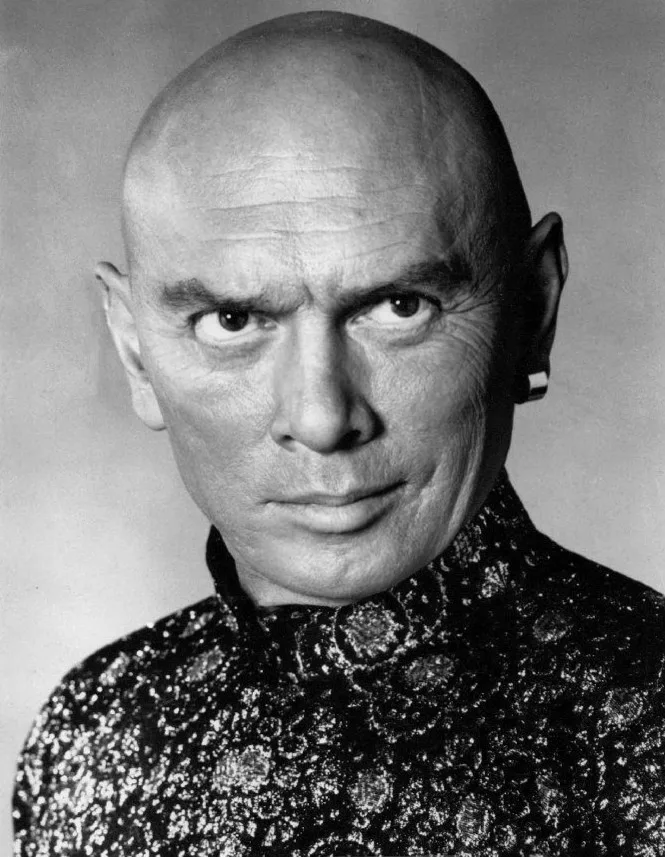
DeMille described the role of Rameses II as "a part equal in dramatic strength to that of Moses". Rory Calhoun, Jeff Chandler, Anthony Dexter, Mel Ferrer, Stewart Granger, William Holden, and Michael Rennie were considered to play Moses' opponent and rival for the Egyptian throne. In New York City, DeMille's granddaughter and his secretary convinced him to see the Broadway musical The King and I, starring Yul Brynner. DeMille recalled, "During the first act, they wondered why I said nothing. I couldn't. I was seeing a rare theatrical experience—a performance of dramatic integrity." The director went backstage to meet the star. He told Brynner the story of the film from Rameses' point of view, and offered him the role. "Nobody has ever been allowed backstage during intermission but everybody gets awed by DeMille," remembered Brynner. "I was fascinated by him. He showed me material for a picture and I agreed to do that and another film. We shook hands. It all happened in seven and a half minutes!" In April 1953, Brynner was already in Hollywood talking with DeMille about the part, and in October it was confirmed that he was the first actor to be cast in the film.
In October 1953, DeMille said he wanted Audrey Hepburn to play the role of Rameses' wife, Nefretiri. In February 1954, his office was said to be full of photographs of Hepburn, but he later noticed her figure was not curvaceous enough for Nefretiri's form-fitting gowns. In May, DeMille asked Vanessa Brown if she "could fill out the clinging, revealing Egyptian costumes". She assured him she could, but also warned him that she had "unattractive feet". Ann Blyth, Joan Evans, Rhonda Fleming, Coleen Gray, Jane Griffiths, Vivien Leigh, and Joan Taylor were also considered. In June, columnist Louella Parsons regarded the part of Nefretiri as "the most sought-after role of the year". That same month, DeMille chose Anne Baxter after he screened her film Carnival Story at home three times. His other top choice was Jane Russell, who wanted the part. "There was only one DeMille, and there wasn't an actor in the world who didn't want to work for him just once, however short the salary or tall the corn", Baxter wrote in her memoir.
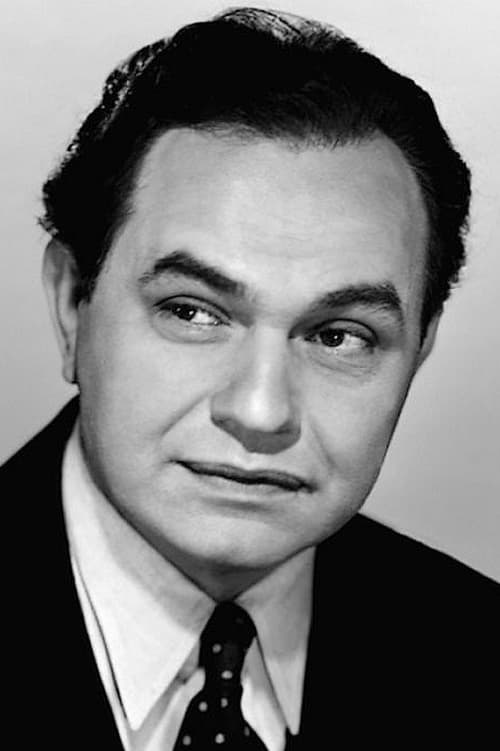
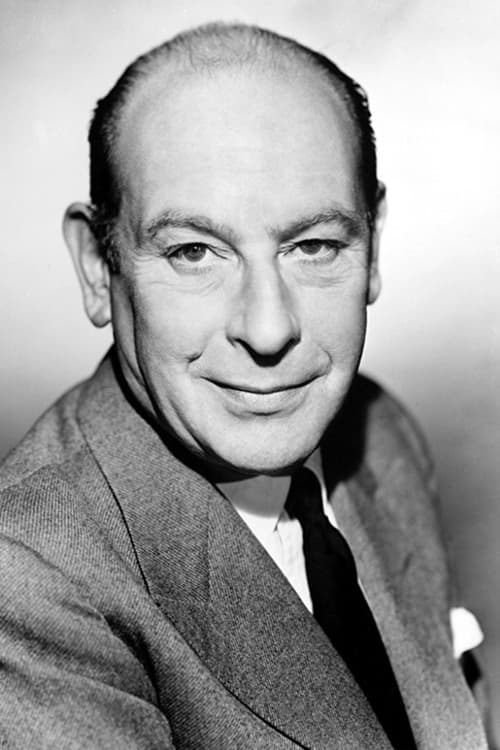
Many actors were considered for the role of the evil overseer Dathan. DeMille was enthusiastic about Jack Palance as Dathan, but Palance's agent angered DeMille when he stole a part of the script and demanded that the part be rewritten. Raymond Massey was signed for the role, but later turned it down. In September 1954, DeMille cast Edward G. Robinson in the role of the "quisling who fights Moses all the way through the picture." Robinson had been blacklisted in Hollywood because of his "former political leanings" and needed "recognition again by a top figure in the industry." Someone had suggested him for the role but thought he could not be hired. In his autobiography, Robinson remembered, "Mr. DeMille wanted to know why, coldly reviewed the matter, felt I had been done an injustice, and told his people to offer me the part. Cecil B. DeMille returned me to films. Cecil B. DeMille restored my self-respect."
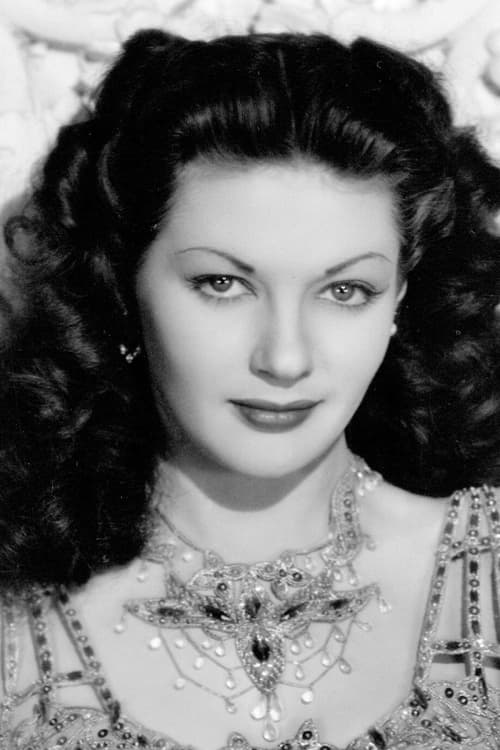
For the role of Sephora, the Midianite shepherdess who becomes Moses' wife, more than 20 actresses were under consideration. Grace Kelly, DeMille's first choice, was unavailable. In May 1954, television actress Maria Riva, Marlene Dietrich's daughter, was said to be the director's number-one choice for the role. In July, he signed Merle Oberon for the part. He interviewed Rita Gam and asked her if she believed in God, but she said she did not. In the process of casting the role of Bithiah, he screened the MGM film Sombrero and was "very much impressed" with Yvonne De Carlo's portrayal of a "saintly type of woman". DeMille said he "sensed in her a depth, an emotional power, a womanly strength which the part of Sephora needed and which she gave it." De Carlo had always wanted to play a starring role for DeMille, so she accepted the part and did not care how much he would pay her. She later thought, "Actually, that's probably why he got away with paying such low salaries. He did know that most dedicated actors would work for him for nothing."
In April 1955, columnist Erskine Johnson noticed, "Anne Baxter and Charlton Heston got top billing over some other very important stars (Yvonne De Carlo and Edward G. Robinson, for instance) in The Ten Commandments. So far, the others aren't squawking."
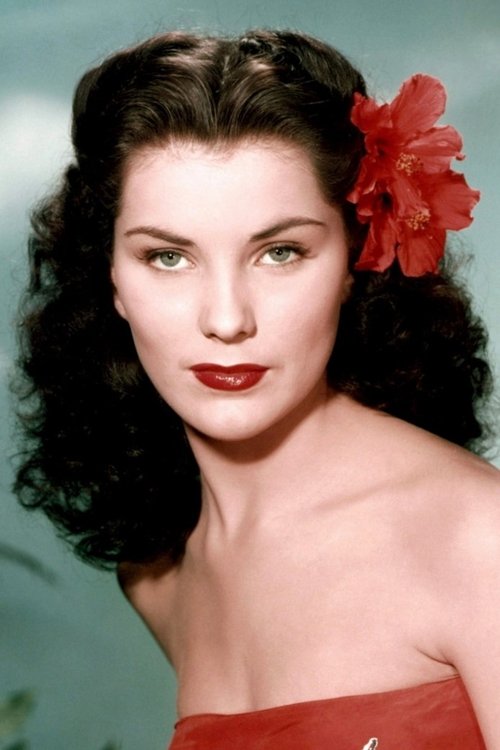
DeMille considered several leading ladies for the part of Lilia, the young Hebrew woman who gives water to the slaves. He originally chose Pier Angeli, but MGM refused to loan their contract star to Paramount. In September 1954, DeMille borrowed Debra Paget from 20th Century-Fox and cast her in the role of the "lissome and beatific slave girl". Paget later became a born-again Christian. She said, "I think my evangelical work was foreshadowed when Cecil B. DeMille chose me for The Ten Commandments and said, 'I feel the hand of God has been on you.'"
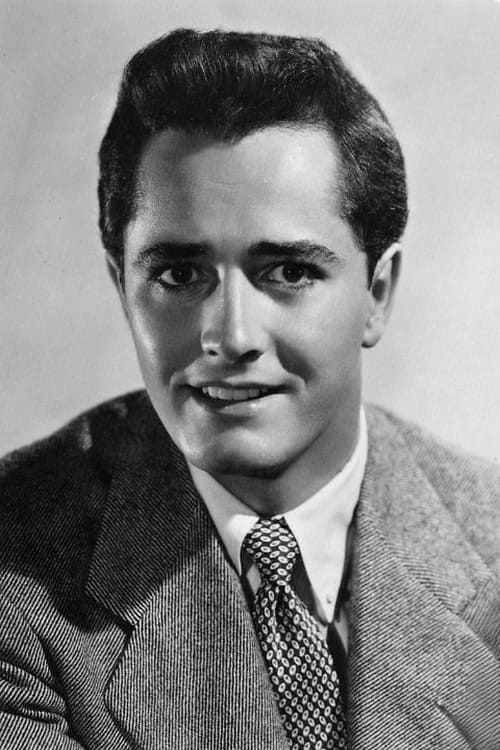
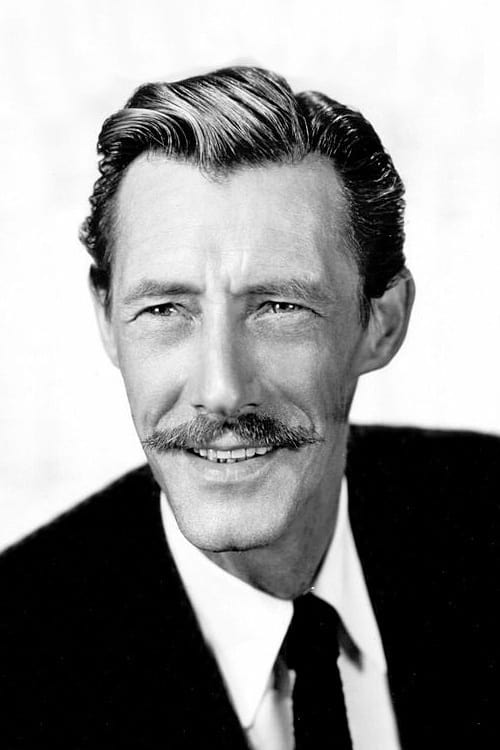
For the role of Joshua, the Hebrew stonecutter destined to succeed Moses, DeMille looked at a number of actors. He first gave the part to Cornel Wilde, one of the stars of his previous film, The Greatest Show on Earth. Wilde's casting was widely mentioned in the press, but the actor made his "worst mistake" and said the part was too small. In his autobiography, DeMille remarked, "Cornel Wilde declined the role […] thus giving John Derek his opportunity for a noteworthy performance."
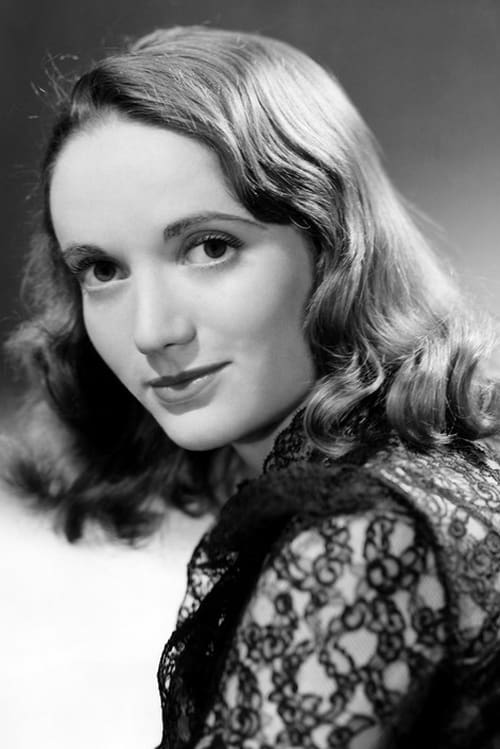
In May 1954, Sir Cedric Hardwicke got the supporting role of Pharaoh Sethi "the Just" and became one of the first actors signed for the film. It took DeMille longer to find an actress to play Sethi's sister and Moses' adoptive mother, Bithiah. He had offered the part to Joan Crawford in January, and also considered other famous actresses. His favorite choice, Jayne Meadows, declined the role because she did not want to leave her home in New York. Associate producer Henry Wilcoxon recommended his Scaramouche co-star Nina Foch, who signed for the part in September. In October, John Carradine won the role of Moses' brother, Aaron.
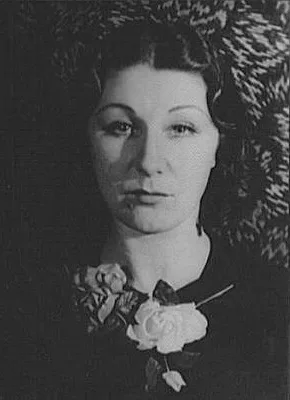
DeMille wanted a "strong dramatic actress" to portray Moses' real mother, Yochabel. In March 1955, he selected Martha Scott for the role after he saw her performance in William Wyler's The Desperate Hours (1955). That same month, Judith Anderson was cast as Memnet. Also in March, Basil Rathbone said he wanted to work for DeMille and wrote him for the part of Baka in the film: "I wanted it for the record as this probably will be DeMille's last picture and I knew there was a real good heavy in the script—a real heel type—but C. B. gave it to Vincent Price instead."
DeMille considered Heston's wife, Lydia Clarke, for the role of Moses' sister, Miriam, but she became pregnant and the director assigned the part to Olive Deering, who had portrayed another Miriam in DeMille's Samson and Delilah (1949). Heston's newborn son, Fraser (born February 12, 1955), was cast by DeMille (on the suggestion of Henry Wilcoxon, who said to him: "The timing's just right. If it's a boy, who better to play the Baby Moses?") as soon as Heston announced to DeMille that his wife Lydia was pregnant. Fraser Heston was three months old during filming.
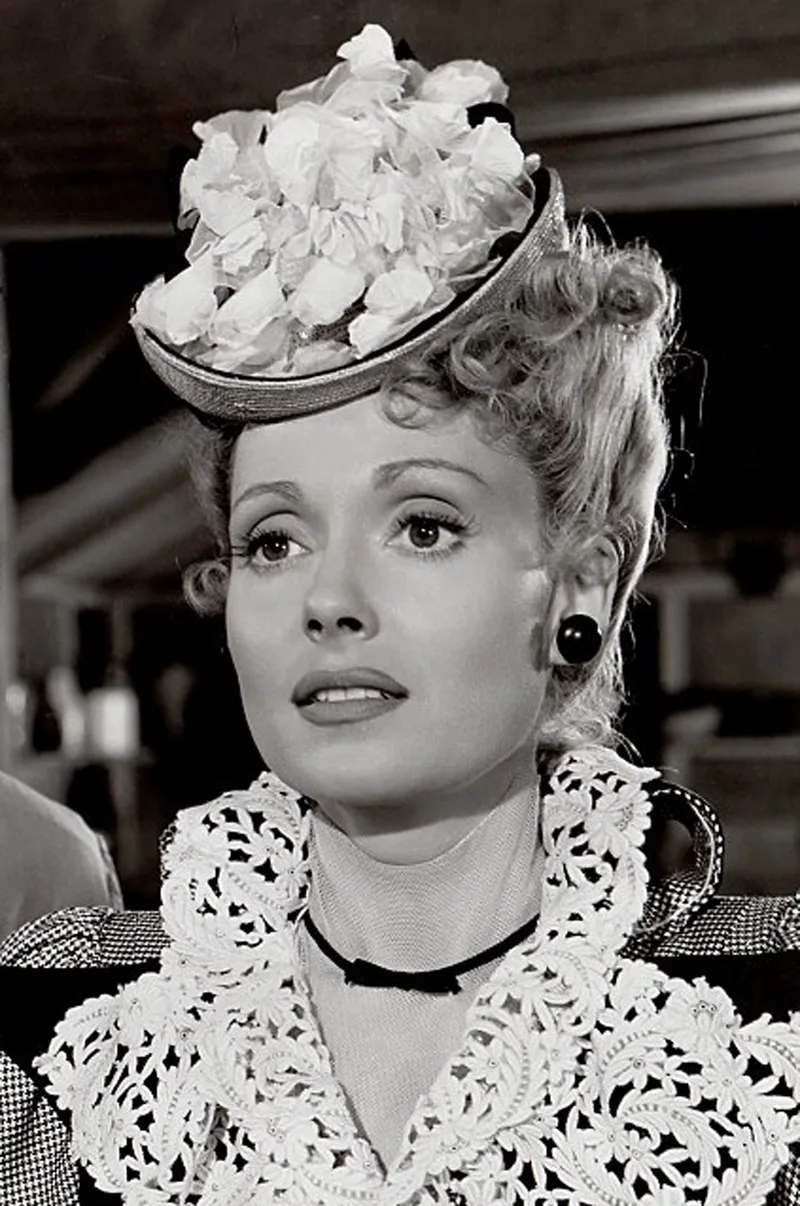
Henry Wilcoxon was chosen to play the Egyptian military commander in both Egypt and Hollywood to provide continuity in the Exodus scenes, and his wife, Joan Woodbury, was cast as Korah's wife in the golden calf sequence. Two cast members of the 1923 silent version, Julia Faye (who played Rameses' wife) and Edna Mae Cooper, were given the roles of Moses' sister-in-law Elisheba and a lady of the pharaoh's court, respectively. DeMille saw Gail Kobe eating in the studio commissary and gave her the role of Nefretiri's personal servant.
DeMille was reluctant to cast anyone who had appeared in The Egyptian, a rival production at the time. Exceptions to this are the casting of John Carradine and Mimi Gibson in credited supporting roles. Seven casting directors hired actors to play 53 star and featured roles, 488 speaking parts, and 100 dancers.