Production
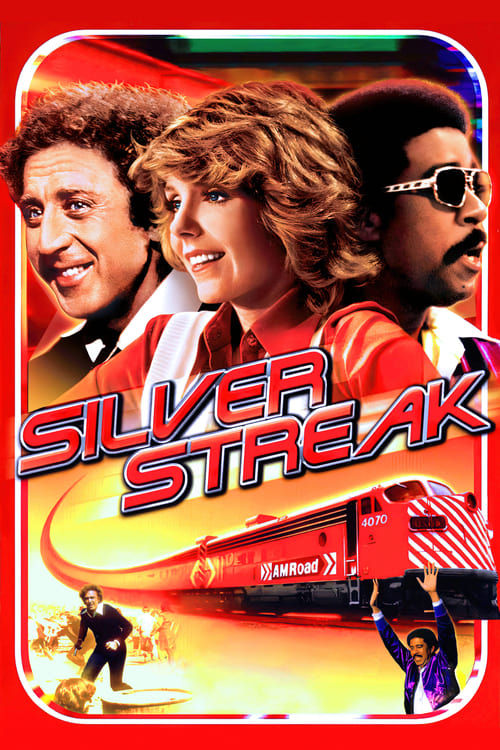
The film was based on an original screenplay by Colin Higgins, who at the time was best known for writing Harold and Maude. He wrote Silver Streak "because I had always wanted to get on a train and meet some blonde. It never happened, so I wrote a script." Initially, the film was titled Super Chief after the Santa Fe train, but the company objected to the title.
Higgins wrote Silver Streak for the producers of The Devil's Daughter, a TV film he had written. Both they and Higgins wanted to get into television. The script was sent out to auction. At one point, the film was set on an Amtrak train and Paramount was interested but wanted Amtrak's approval. Alan Ladd Jr. and Frank Yablans at 20th Century Fox took advantage of Paramount's hesitation and bought the script for a then-record $400,000. Ladd described the screenplay, "It was like the old Laurel and Hardy comedies. The hero is Laurel, he falls off the train, stumbles about, makes a fool of himself, but still gets the pretty girl. Audiences have identified with that since Buster Keaton."
Because Amtrak objected to some elements of the script, the movie was filmed using CP Rail equipment. Canadian Pacific's The Canadian transcontinental train was disguised as the fictional AMRoad's Silver Streak. Most of the scenes were shot on the CP system in western Canada and Toronto Union Station. The railway yard shootout was filmed at CP's Alyth Yard, and the final crash scene was done on a studio lot.
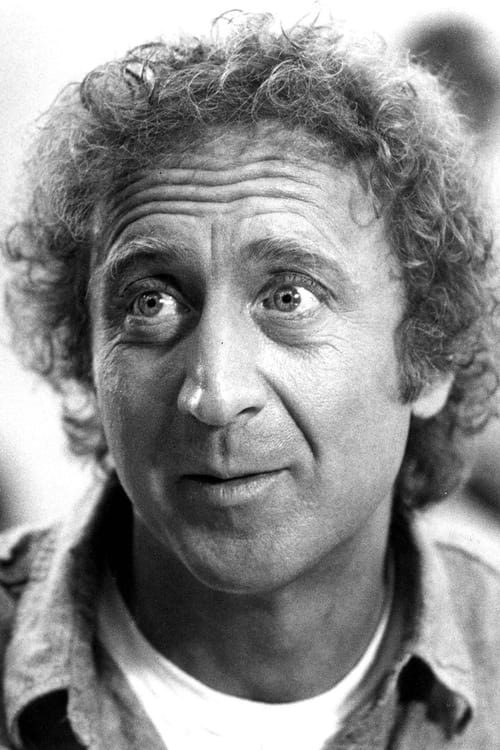
Colin Higgins wanted George Segal for the hero, but the studio preferred Gene Wilder. Ladd reasoned that Wilder was "more identifiable for the younger audience. And he's so average, so ordinary, and he gets caught up in all these crazy adventures."
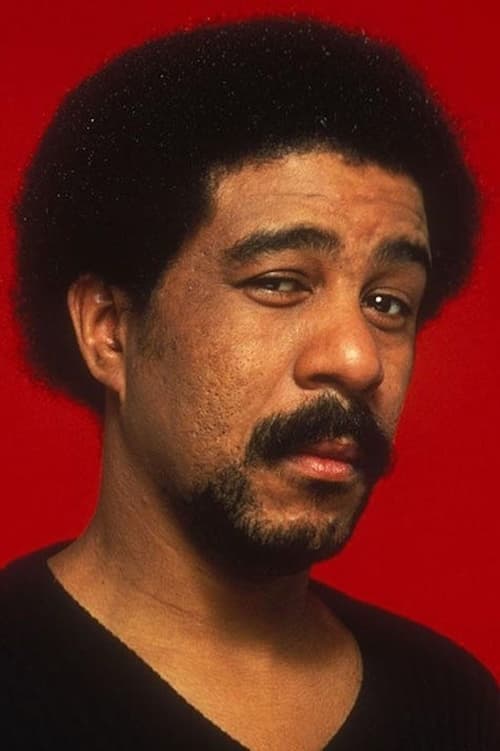
Colin Higgins claimed the producers worried about casting Richard Pryor because he had recently walked off The Bingo Long Traveling All-Stars & Motor Kings. They briefly considered casting an understudy for him; however, Pryor was very professional during the shoot. At that point, Pryor was frustrated with the supporting roles he was getting. The chance to work with a director like Arthur Hiller was his primary motivation for taking the part. Pryor was a particular fan of The Man in the Glass Booth.
After reading the script, Wilder felt the blackface interlude would only work with Richard Pryor and asked for him to be given the role. He and Pryor knew the blackface scene was offensive and tried to temper it. Higgins' script had a white man falling for Wilder's disguise. Pryor decided to switch the character to a Black man who sees right through it.
Pryor's improvisations prompted Wilder to respond in kind. It was the first time Wilder improvised onscreen. The pair were inspired by Buster Keaton to do their own stunts in the film.