United States and elsewhere
La Grande Illusion, released by World Pictures Corporation in the U.S. premiered on 12 September 1938 in New York City; Frank S. Nugent in his review for The New York Times called La Grande Illusion a "strange and interesting film" that "owes much to his cast",
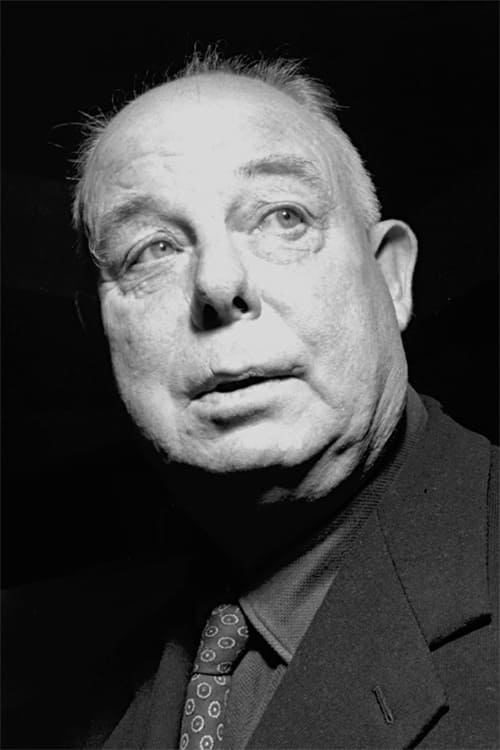
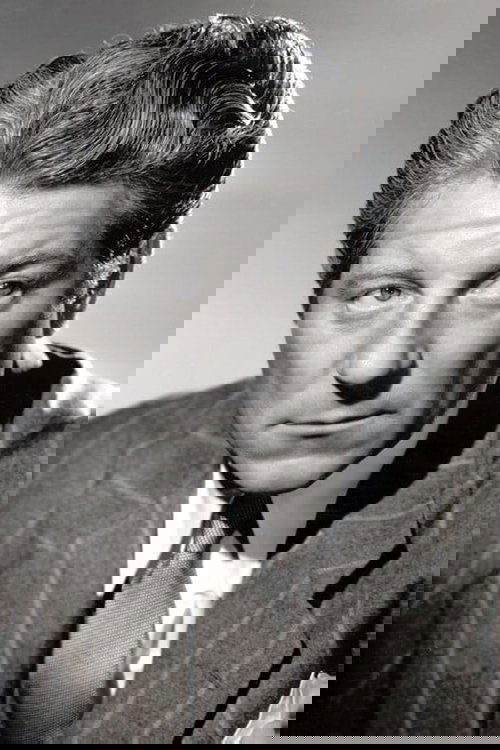
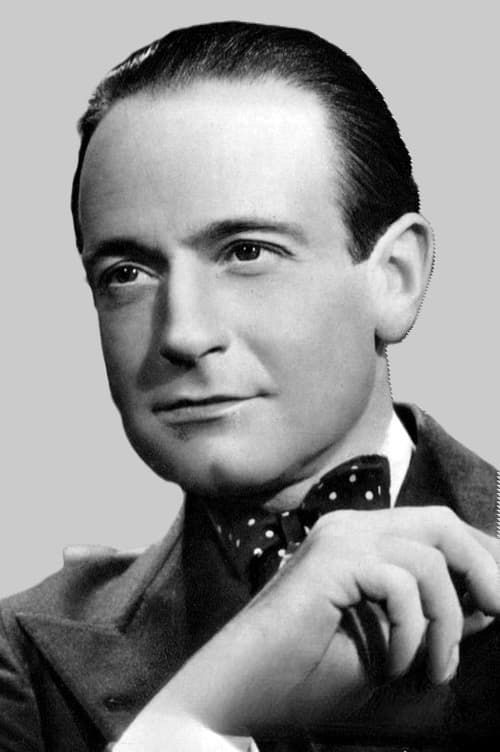
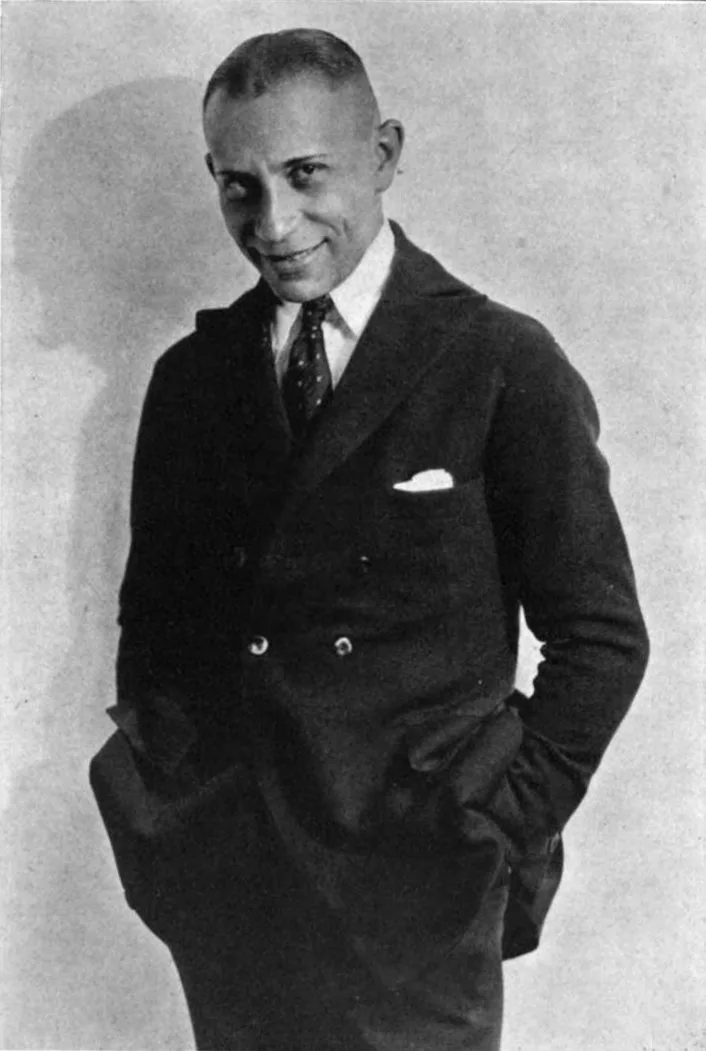
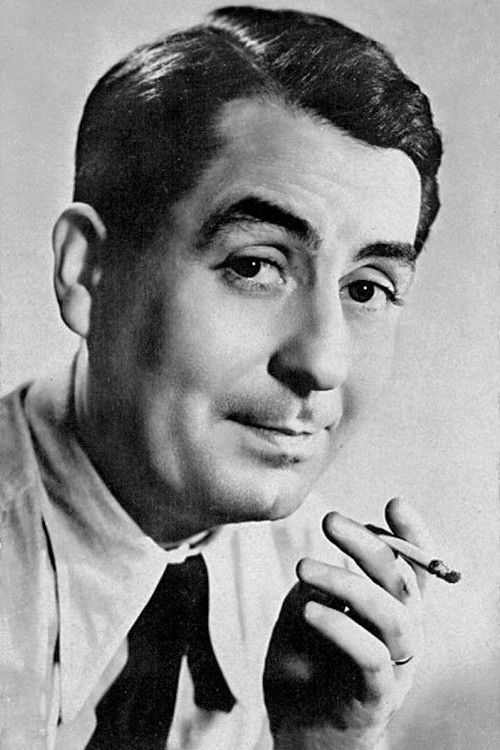
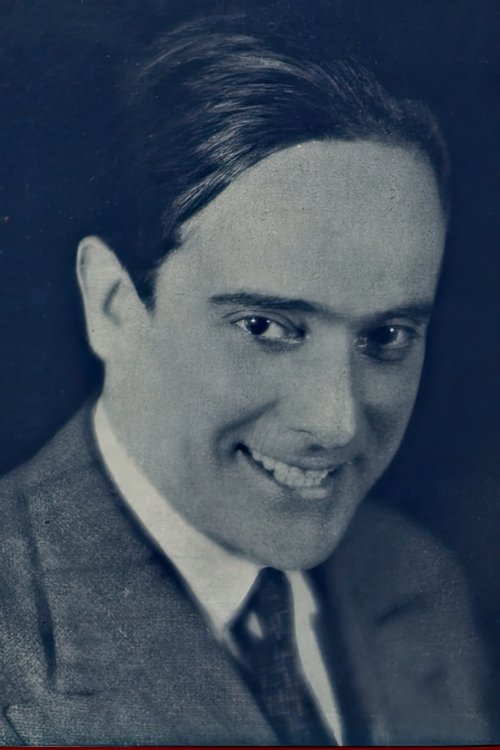
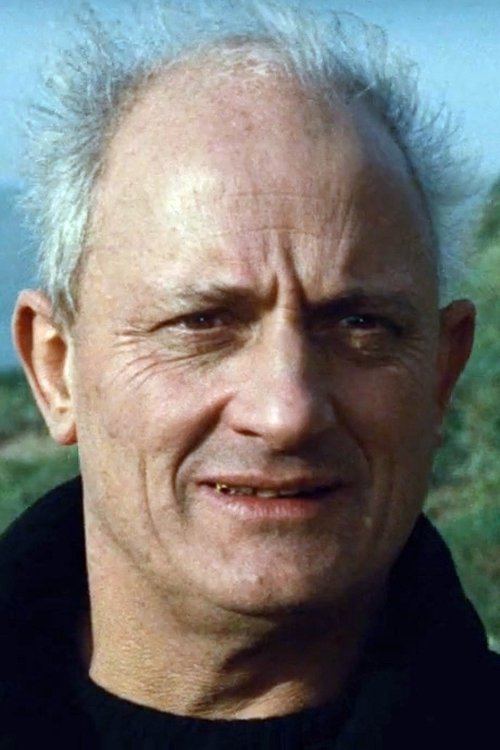
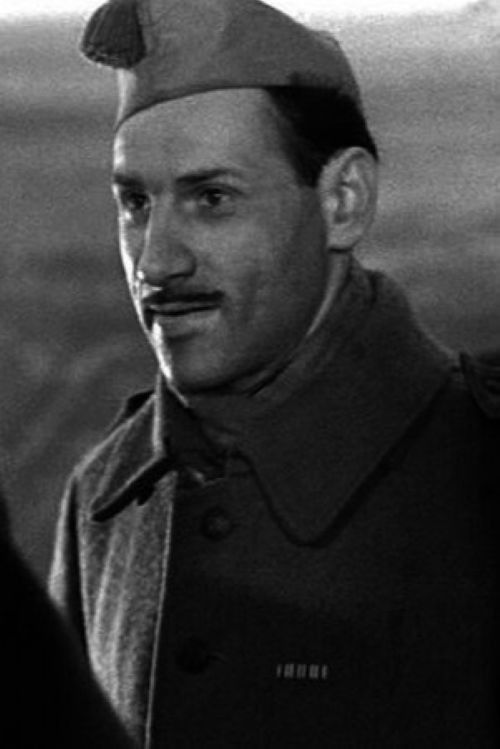
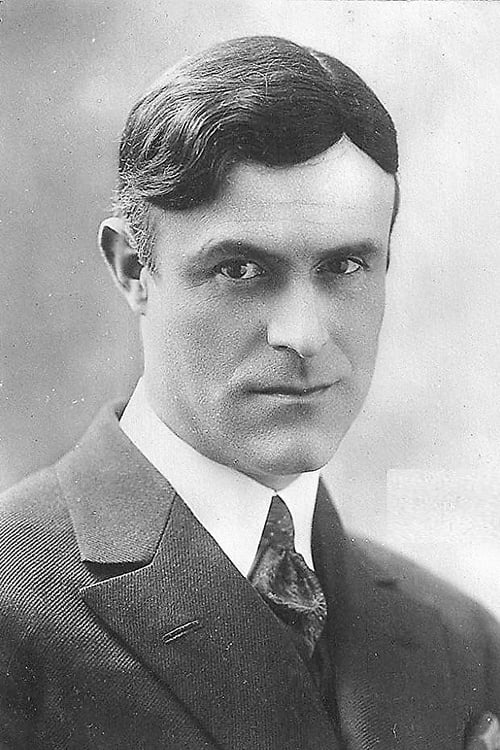
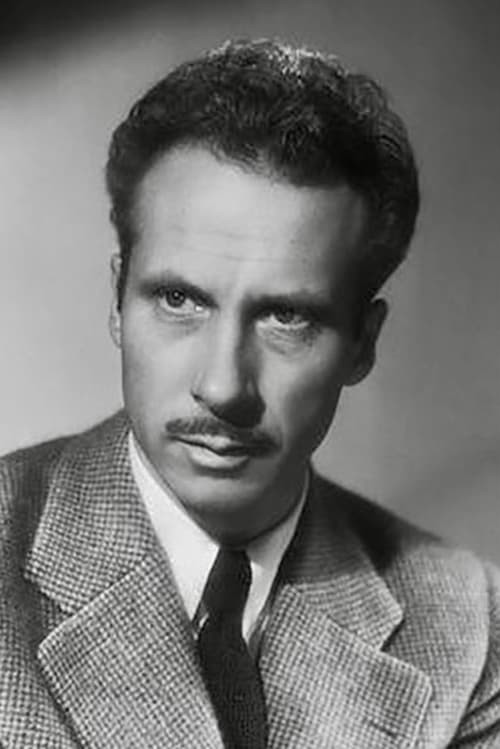
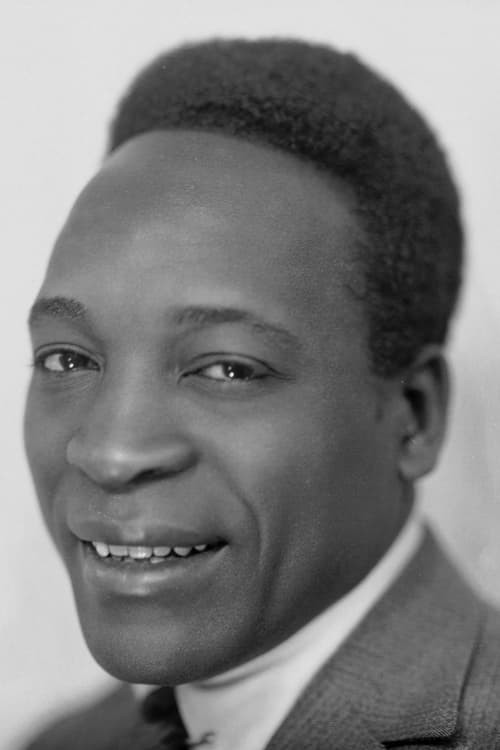
Erich von Stroheim's appearance as von Rauffenstein reminds us again of Hollywood's folly in permitting so fine an actor to remain idle and unwanted. Pierre Fresnay's de Boeldieu is a model of gentlemanly decadence. Jean Gabin and Dalio as the fugitives, Dita Parlo as the German girl, and all the others are thoroughly right.
La Grande Illusion won the awards for Best Foreign Film at the 1938 New York Film Critics Circle Awards and at the 1938 National Board of Review Awards it was named the Best Foreign Language Film for that year. At the 11th Academy Awards held on 23 February 1939, La Grande Illusion became the first foreign language film nominated for the Academy Award for Best Picture.
At the time of its release, John Ford, impressed with the film, opted to remake it in English but was urged by studio chief Darryl F. Zanuck not to. "You'll never top it," he told Ford.
Orson Welles, in an interview with Dick Cavett on 27 July 1970, expressed that if he only could save a handful of films that were not his own for future posterity, this would be one of those films.
Martin Scorsese included it on a list of "39 Essential Foreign Films for a Young Filmmaker".
Sixty years after its release, Janet Maslin called it "one of the most haunting of all war films" and an "oasis of subtlety, moral intelligence and deep emotion on the cinematic landscape"; according to Maslin:
It seems especially disarming now in its genius for keeping its story indirect yet its meaning perfectly clear. Its greatest dramatic heights seem to occur almost effortlessly, as a tale of escape derived from the experience of one of Renoir's wartime comrades evolves into a series of unforgettable crises and stirring sacrifices.
Film critic Roger Ebert also reviewed the film after its 1999 re-release, and added it to his list of The Great Movies:
Apart from its other achievements, Jean Renoir's Grand Illusion influenced two famous later movie sequences. The digging of the escape tunnel in The Great Escape and the singing of the "Marseillaise" to enrage the Germans in Casablanca can first be observed in Renoir's 1937 masterpiece. Even the details of the tunnel dig are the same—the way the prisoners hide the excavated dirt in their pants and shake it out on the parade ground during exercise. But if Grand Illusion had been merely a source of later inspiration, it wouldn't be on so many lists of great films. It's not a movie about a prison escape, nor is it jingoistic in its politics; it's a meditation on the collapse of the old order of European civilization. Perhaps that was always a sentimental upper-class illusion, the notion that gentlemen on both sides of the lines subscribed to the same code of behaviour. Whatever it was, it died in the trenches of World War I.
Pauline Kael praised the film: "Jean Renoir directed this elegy for the death of the old European aristocracy, and it is one of the true masterpieces of the screen." Leslie Halliwell wrote: "Celebrated mood piece with much to say about war and mankind: more precisely, it is impeccably acted and directed and has real tragic force." Filmmaker Akira Kurosawa cited La Grande Illusion as one of his favorite films. In 2006, Writers Guild of America West ranked its screenplay 85th in WGA's list of 101 Greatest Screenplays. In the 2012 edition of the annual Sight And Sound poll in which directors are asked to select their favourite movies, Woody Allen picked La Grand Illusion as one of his top ten.
The February 2020 issue of New York Magazine lists La Grande Illusion as among "The Best Movies That Lost Best Picture at the Oscars".
On the review aggregator website Rotten Tomatoes, 97% of 74 critics' reviews are positive. The website's consensus reads: "Jean Renoir's Grand Illusion is a masterful anti-war statement, bringing humane insight and an undercurrent of ironic humor to an unusual relationship between captor and captive."