2003–2013: Widespread recognition
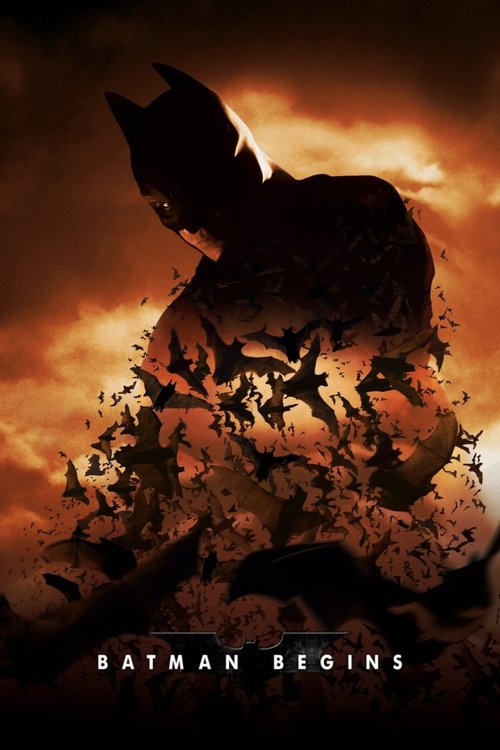
In early 2003, Nolan was set to direct Troy (2004), based on Homer's Iliad. After leaving Troy, Nolan approached Warner Bros. with the idea of making a new Batman film, based on the character's origin story. Nolan was fascinated by the notion of grounding it in a more realistic world than a comic-book fantasy. Warner Bros. let Nolan make Batman Begins (2005) to reconcile with him after he was forced out of Troy when Wolfgang Petersen, the film's producer, decided to direct it. On Batman Begins, Nolan relied heavily on traditional stunts and miniature effects during filming, with minimal use of computer-generated imagery (CGI). Batman Begins was the biggest project Nolan had undertaken to that point, and it was released to critical acclaim and commercial success. Starring Christian Bale as Bruce Wayne / Batman—along with Michael Caine, Gary Oldman, Morgan Freeman and Liam Neeson—Batman Begins revived the Batman franchise. Batman Begins was 2005's ninth-highest-grossing film and was praised for its psychological depth and contemporary relevance; it is cited as one of the most influential films of the 2000s. Film author Ian Nathan wrote that within five years of his career, Nolan "[went] from unknown to indie darling to gaining creative control over one of the biggest properties in Hollywood, and (perhaps unwittingly) fomenting the genre that would redefine the entire industry".
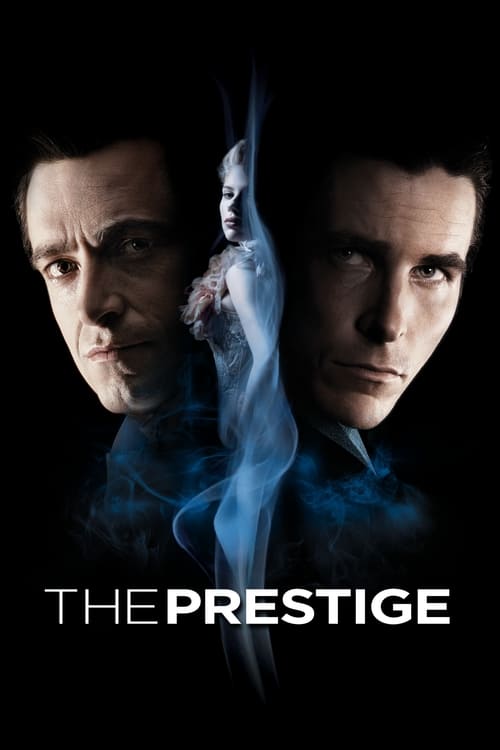
Nolan directed, co-wrote and produced The Prestige (2006), an adaptation of the Christopher Priest novel about two rival 19th-century magicians. The screenplay was the result of an intermittent, five-year collaboration between him and his brother Jonathan, who had begun writing it in 2001. Nolan initially intended to make the film as early as 2003, but had postponed the project after agreeing to make Batman Begins. Starring Hugh Jackman and Christian Bale in the lead roles of rival magicians, The Prestige received critical acclaim and received two Academy Award nominations. Roger Ebert described it as "quite a movie – atmospheric, obsessive, almost satanic", and Kenneth Turan of the Los Angeles Times called it an "ambitious, unnerving melodrama". The Guardian's Philip French wrote: "In addition to the intellectual or philosophical excitement it engenders, The Prestige is gripping, suspenseful, mysterious, moving and often darkly funny." Despite a negative box-office prognosis, the film earned over $109 million against a budget of $40 million.
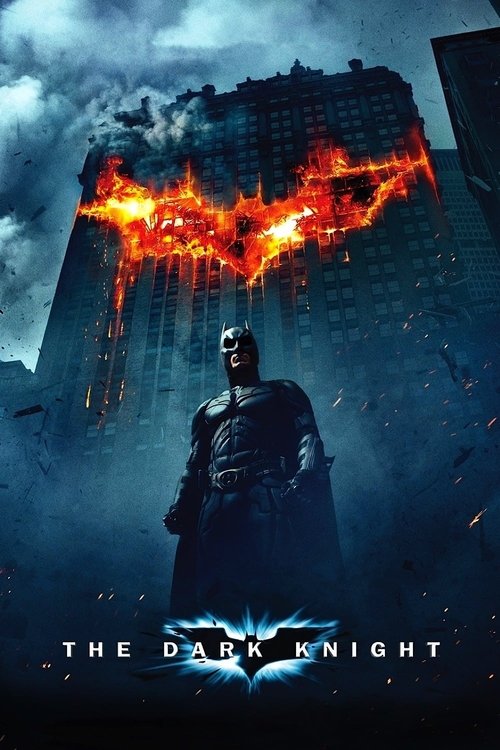
The Dark Knight (2008), the follow-up to Batman Begins, was Nolan's next venture. Initially reluctant to make a sequel, he agreed after Warner Bros. repeatedly insisted. Nolan wanted to expand on the noir quality of the first film by broadening the canvas and taking on "the dynamic of a story of the city, a large crime story ... where you're looking at the police, the justice system, the vigilante, the poor people, the rich people, the criminals". Continuing to minimise the use of CGI, Nolan employed high-resolution IMAX cameras, making it the first major motion picture to use this technology. The Dark Knight has been ranked as one of the best films of the 2000s and one of the best superhero films ever made. Many critics declare The Dark Knight to be "the most successful comic book film ever made". Manohla Dargis of The New York Times found the film to be of higher artistic merit than many Hollywood blockbusters: "Pitched at the divide between art and industry, poetry and entertainment, it goes darker and deeper than any Hollywood movie of its comic-book kind." Ebert expressed a similar point of view, describing it as a "haunted film that leaps beyond its origins and becomes an engrossing tragedy". The Dark Knight set many box-office records during its theatrical run, earning over $1 billion worldwide. At the 81st Academy Awards, the film was nominated in eight categories, winning two: Best Sound Editing for Richard King and a posthumous Best Supporting Actor award for Heath Ledger for his portrayal of the Joker. The film's failure to garner a Best Picture nomination was criticised by the media. Beginning in 2010, the Academy increased their Best Picture nominees from five to ten, a change known as "The Dark Knight Rule". Nolan received many awards and nominations for his work on the film. In the late 2000s, Nolan was reported to direct a film adaptation of the 1960s television series The Prisoner.
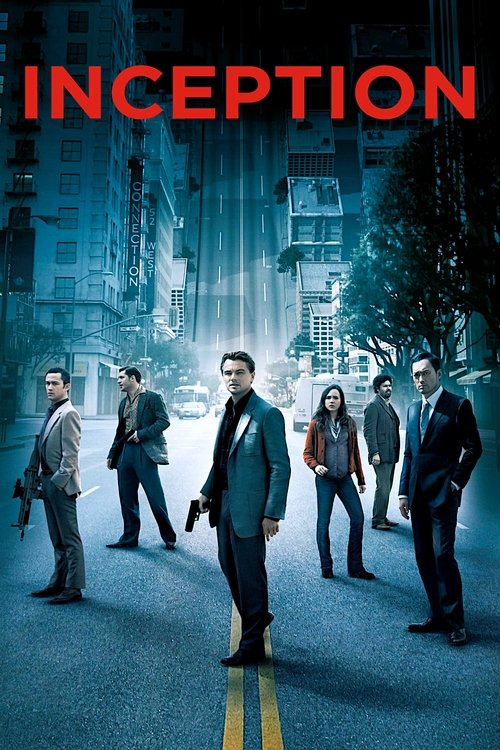
The success of The Dark Knight allowed Warner Bros. to sign Nolan to write, direct and co-produce Inception (2010) – a film for which he had the idea around nine years before its release. Nolan described the film as "a contemporary sci-fi actioner set within the architecture of the mind". Starring a large ensemble cast led by Leonardo DiCaprio, the film became a critical and commercial success upon its release. Film critic Mark Kermode named it the best film of 2010, stating "Inception is proof that people are not stupid, that cinema is not trash, and that it is possible for blockbusters and art to be the same thing." Philosophy professor David Kyle Johnson wrote that "Inception became a classic almost as soon as it was projected on silver screens", praising its exploration of philosophical ideas, including leap of faith and allegory of the cave. The film grossed over $836 million worldwide. Nominated for eight Academy Awards—including Best Picture and Best Original Screenplay—it won Best Cinematography, Best Sound Mixing, Best Sound Editing and Best Visual Effects. Nolan was nominated for a BAFTA Award and a Golden Globe Award for Best Director, among other accolades.
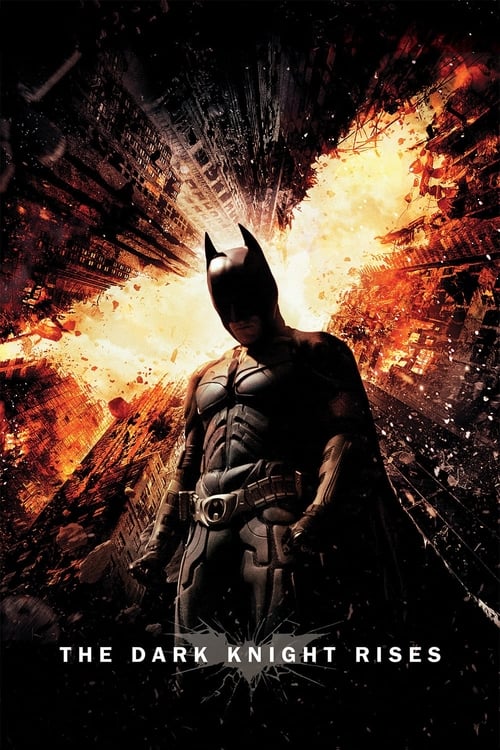
Around the release of The Dark Knight Rises (2012), Nolan's third and final Batman film, Joseph Bevan of the British Film Institute wrote a profile on him: "In the space of just over a decade, Christopher Nolan has shot from promising British indie director to undisputed master of a new brand of intelligent escapism." After initial hesitation, Nolan agreed to return to direct The Dark Knight Rises and worked with his brother and David S. Goyer to develop a story that he felt would end the trilogy on a high note. The film was released to positive reviews. Kenneth Turan found the film "potent, persuasive and hypnotic" and "more than an exceptional superhero movie, it is masterful filmmaking by any standard". Christy Lemire of HuffPost wrote in her review that Nolan concluded his trilogy in a "typically spectacular, ambitious fashion", but disliked the "overloaded" story and excessive grimness. The Dark Knight Rises was a box office success, becoming the thirteenth film to gross $1 billion.
The Dark Knight trilogy inspired a trend in future superhero films seeking to replicate its gritty, realistic tone to little success. The second instalment in particular revitalised the genre at a time when recent superhero films had failed to meet expectations. Ben Child of The Guardian wrote that the three films "will remain thrilling totems of the genre for decades to come". During story discussions for The Dark Knight Rises, Goyer told Nolan of his idea about Man of Steel (2013), which the latter would produce. Impressed with Zack Snyder's work in 300 (2006) and Watchmen (2009), Nolan hired him to direct the film. Starring Henry Cavill as Clark Kent who learns that he is a powerful alien, Man of Steel received mixed reviews and grossed more than $660 million against a budget of $220 million.