 WriteWrite
Write by OpenServe
The writing arm of the Create suite — comic books, novels, news stories, newsletters, screenplays, even contracts, in one best-in-class editor. Start from a library of worked templates, draft with an AI writing engine that knows each form, and publish in one tap to your journal, your site, and your readers.
One OpenServe account. Free to start.
 Contract
 Novel
Novel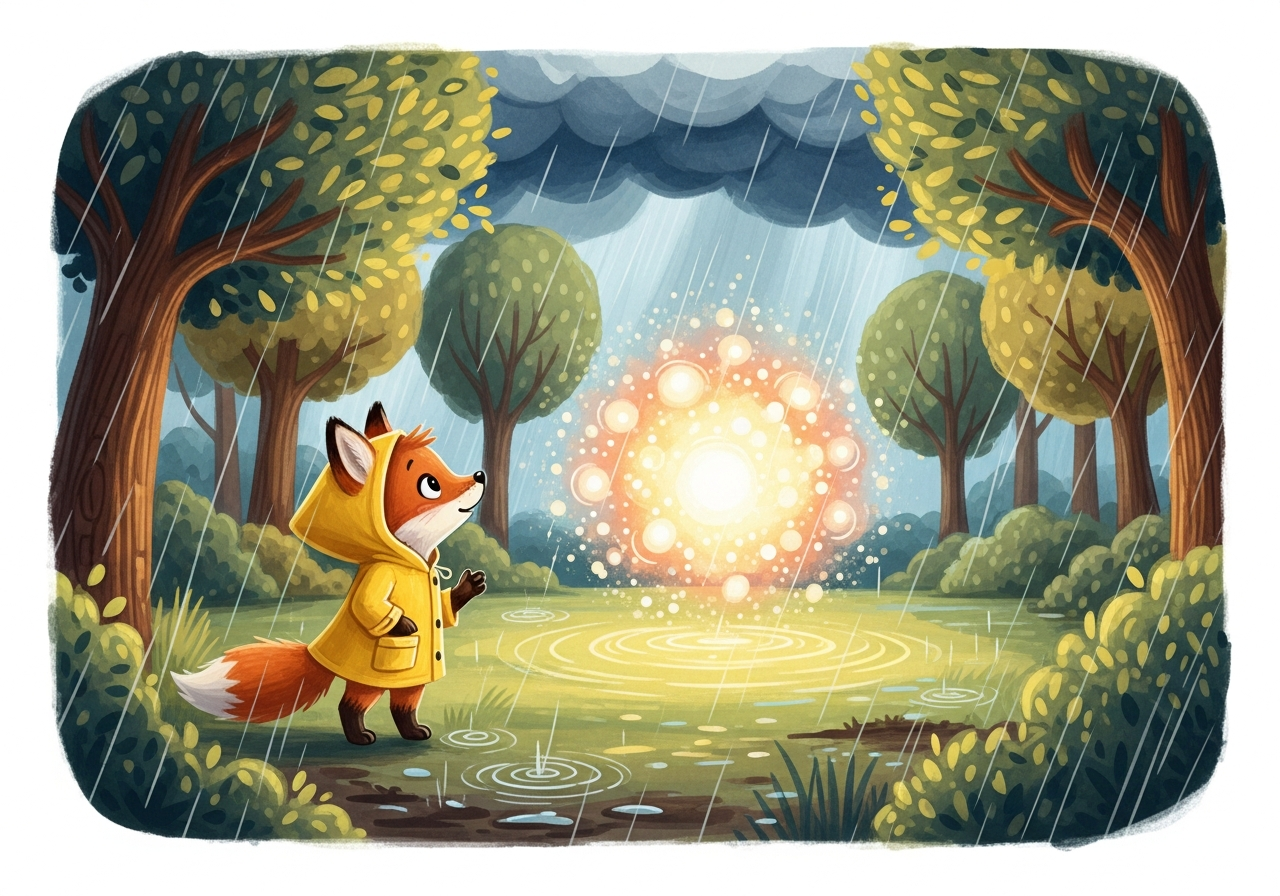 Children's book
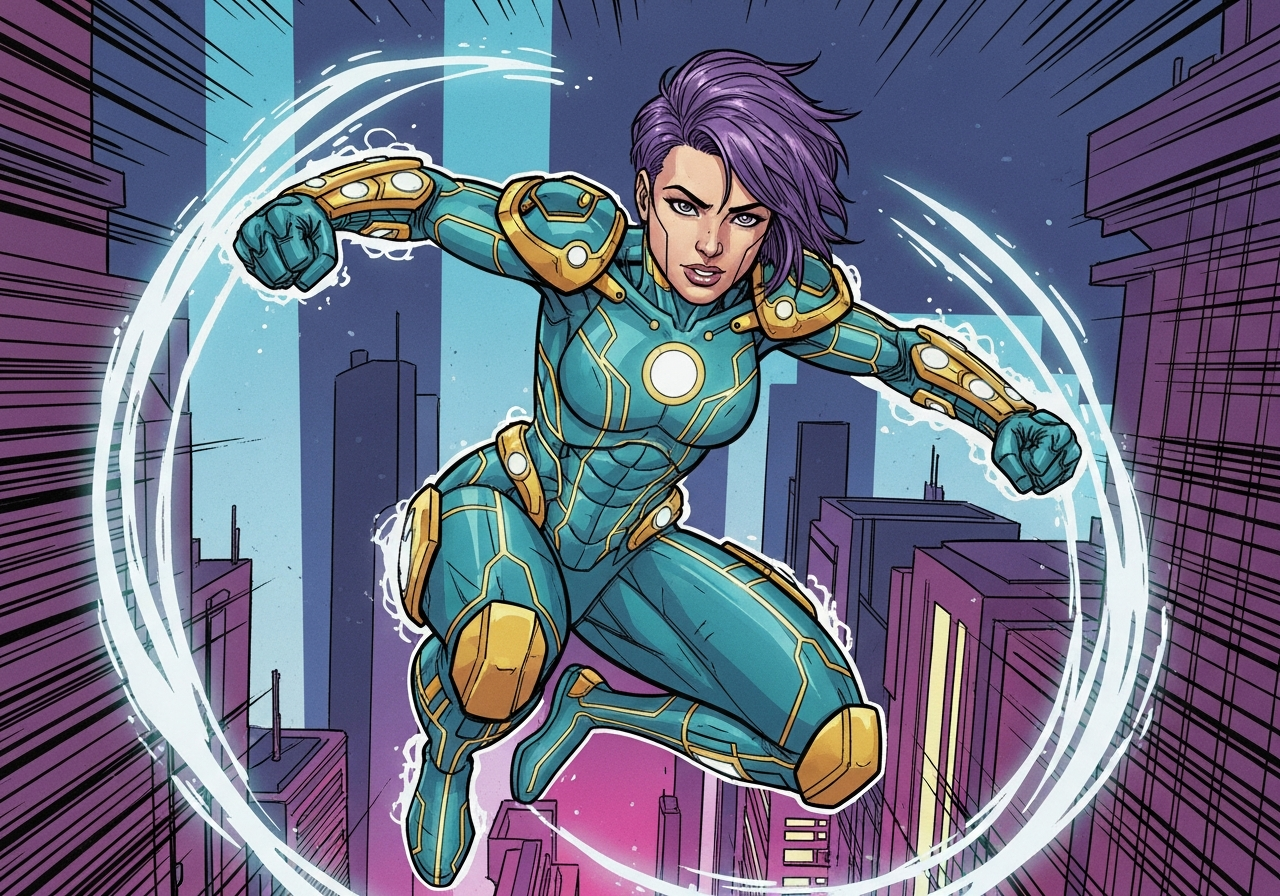 Comic book
A full library of worked templates — every one opens in the editor with a real, formatted draft to make yours. Pick one; it's waiting for you after sign-up.
Report it, argue it, review it — newsroom forms, ready to file.
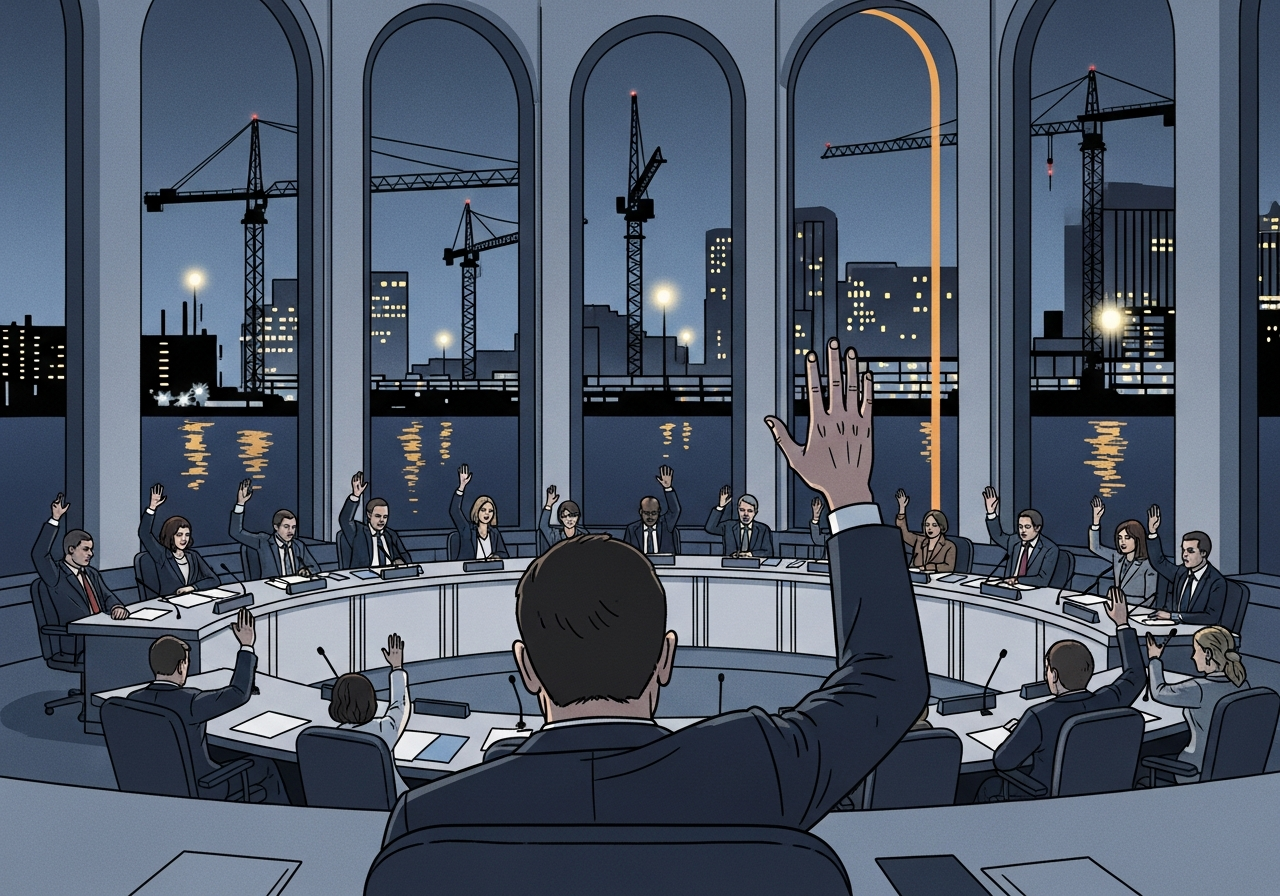
[CITY] — The city council voted 7–2 on [day] to approve a 1,200-unit riverfront housing development, the largest residential project the city has cleared in a decade, over objections from neighborhood groups who said the plan moves too fast.
The vote clears the way for construction to begin as early as [month], according to [official, title], who called the project "[direct quote from the meeting]."
Opponents, led by [group], argued the plan lacks [specific objection]. "[Counter-quote]," said [name, title], who voted against it.
[The next concrete step, with a date. Who to watch. What remains unresolved.]
[Reporter contact / how this story was sourced.]
Breaking news storyNews storyInverted pyramid, sourced, ready to file in minutes.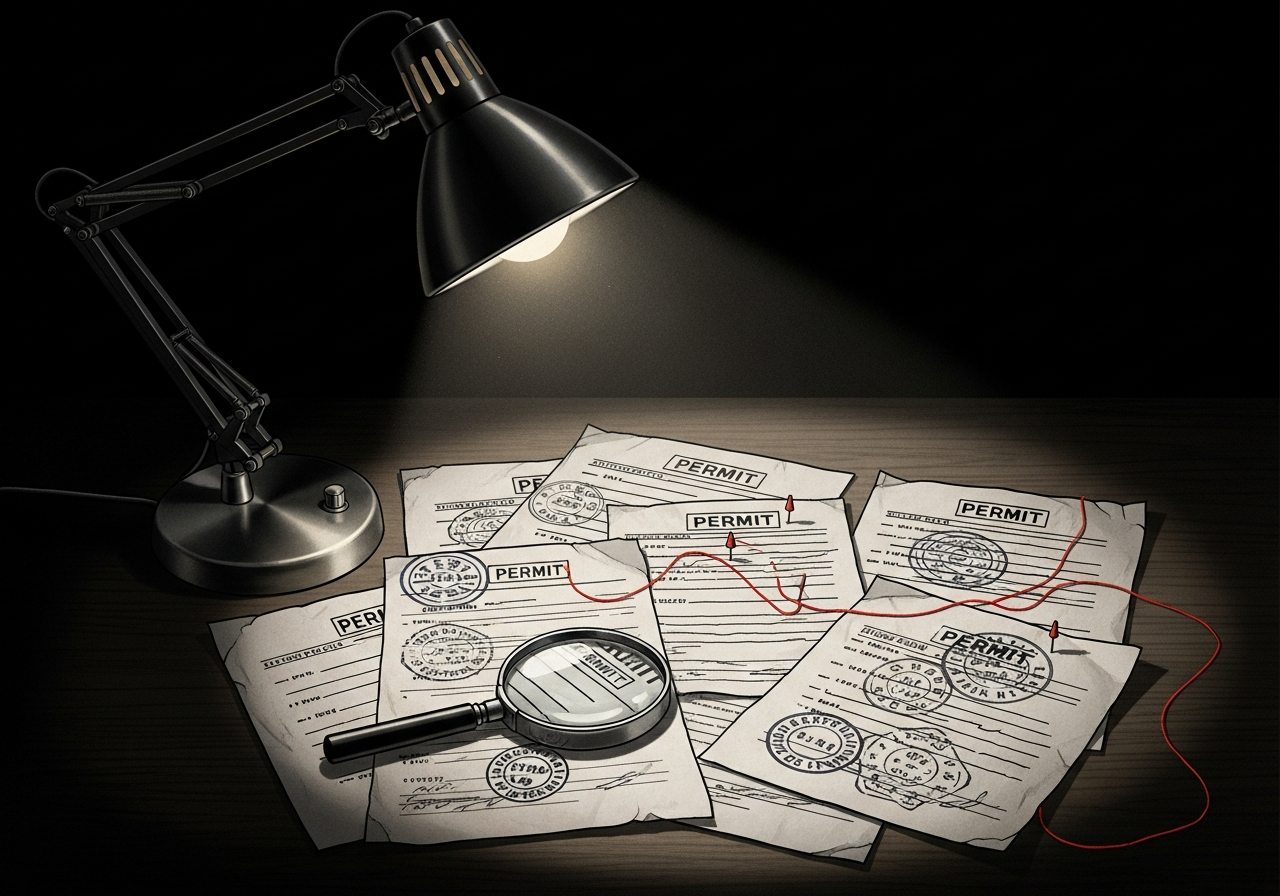
[Open in scene: one person, one moment that embodies the whole story. Two or three paragraphs — concrete detail, no throat-clearing.]
[The nut graf: what this story proves, why it matters now, and the scale of it. One paragraph, no hedging.]
[The evidence, walked through in order. Every claim attributed — documents, data, named sources. Quote the paper trail directly.]
[The single most damning line from a document or interview.]
[The accountability section. What officials said then vs. what they say now. Include the response you got when you asked.]
[Return to the human stakes. End on the person you opened with.]
Investigative featureArticleA long-read with a document trail — scene, nut graf, receipts.
[The hook: a moment, stat, or contradiction that makes the reader need the next paragraph. Two sentences.]
[Your thesis, stated plainly. One sentence the reader could quote at dinner.]
[Why now — the news peg that makes this urgent this week, not any week.]
[Your strongest evidence first. One point per paragraph, each ending a step closer to the conclusion.]
[Second line of evidence — data, history, or expert authority.]
[The best version of the opposing view, stated fairly — then why it fails. This is the paragraph that earns trust.]
[The ask: specific, doable, addressed to someone who could actually do it.]
[The kicker: land back on the opening image with the argument now loaded into it.]
Opinion / op-edArticleOne argument, pressure-tested — 800 words that change minds.
[Who this person is and why this conversation, now — two paragraphs. Where you met, what surprised you. Set the scene.]
This conversation has been edited for length and clarity.
[Your first question — start where the news is.]
[Their answer.]
[Follow-up that pushes on the interesting part of that answer.]
[Their answer.]
[Pull the best line of the interview out here.]
[The question they probably didn't want asked.]
[Their answer — including the pause, if there was one.]
[The closer: what's next / what would change their mind.]
[Their answer.]
Interview Q&AArticleA conversation shaped for the page — intro, exchanges, pull quote.
FOR IMMEDIATE RELEASE
[CITY, State — Month DD, YYYY] — [Company], the [one-line description], today announced [the news in one sentence — what, for whom, available when].
[Paragraph two: why it matters — the problem this solves, sized with a number if you have one.]
"[Quote from your CEO or lead — say something a human would say, not a mission statement]," said [Name], [Title] of [Company]. "[Second sentence that adds a fact, not adjectives.]"
[What's actually in it — three concrete capabilities or terms, as prose or a short list:]
"[Customer or partner quote — the outside voice that makes it credible]," said [Name, Title, Company].
[Availability and pricing. Where to get it, starting when, for how much.]
[Boilerplate: two sentences, founded-in, based-in, the one stat you always cite.]
Media contact: [Name] — [email]
Press releaseNews storyAnnouncement in AP style — quote blocks, boilerplate, contact.
[The verdict, first. One paragraph a reader in a store aisle could act on: what it is, whether it's good, who it's for.]
[Your methodology in three sentences — duration, conditions, what you compared it against. This is what separates a review from an ad.]
[The best thing, with the specific moment you noticed it.]
[The second-best thing, with a number if you measured one.]
[The dealbreaker candidates, honestly weighted. Who each flaw will and won't bother.]
[The two alternatives a smart buyer is cross-shopping, and the case for each.]
[Yes/no by persona: "Buy it if…", "Skip it if…". End with the price and where it sits in the lineup.]
Product reviewArticleVerdict-first review — testing notes, scores, who should buy.The dispatch your readers open first.

[Personal open — two sentences, one observation from your week that earns the next scroll. Write to one reader.]
[The one story your readers should understand this week, explained in three paragraphs: what happened, why it matters, what's next.]
[One link — an essay, a video, a tool — and the two sentences that sell the click.]
[Sign-off: one line, same every week, yours. Then the ask: "Forward this to one person who'd like it."]
Weekly digestNewsletterThe scannable roundup — one big thing, quick hits, one link out.
[Start inside a moment — the anecdote that made you want to write this. No preamble; the reader arrives mid-scene.]
[Widen out: what the moment made you realize. Name the idea plainly.]
[Complicate it: where the idea breaks down, the counterexample you can't shake. Personal essays earn trust by admitting friction.]
[The line you want quoted back at you — the idea in one sentence.]
[Bring it home: what you're doing differently now, or what you're still unsure about. Small and honest beats grand and vague.]
[Sign-off: one question for the reader to reply to. Replies are the whole point.]
Personal essay letterNewsletterThe intimate single-essay issue — one idea, told like a letter.
[One-paragraph open: the theme that emerged from this week's reading, if any — or just the best sentence you read.]
[Two sentences: what it argues, and the detail that stuck with you.]
[Two sentences.]
[Two sentences.]
[Two sentences.]
[Two sentences. Keep going to eight — or stop at five strong ones.]
[One older piece that pairs with this week's theme.]
[Sign-off + the standing ask: "Send me the best thing YOU read this week."]
Curated links roundupNewsletterYou read everything so they don't have to — links with taste.
[One-line open: the theme of this release cycle in plain words.]
[What it is, in the customer's words — the job it does, not the code you wrote. One screenshot-worthy sentence.]
[How to try it: the exact click path or link.]
[One teaser, honestly hedged. Invite feedback: "Reply and tell us what you'd want it to do."]
Product update / changelogNewsletterShip notes customers actually read — what's new, why, what's next.Novels, memoirs, children's books — a manuscript with a spine.
[Open with your protagonist in motion — mid-action, mid-decision, mid-lie. The reader should learn who they are by what they do in the first 500 words, not by description.]
[Ground the scene: where are we, what does it smell like, who else is here. One paragraph of world, woven through action.]
[The inciting disturbance arrives — the letter, the knock, the body, the offer. End the chapter the moment after it lands, before anyone reacts.]
NovelBookChaptered manuscript with a worked opening and scene scaffolds.
[Open with the story that made you write this book — the client, the failure, the data point that didn't fit.]
[The promise: what the reader will be able to do by the last page, stated as a contract.]
[The map: your framework in one paragraph, and how the chapters walk through it.]
Nonfiction / expert bookBookThe idea book — framework chapters, stories, and takeaways.
[Start at the hinge — not the beginning of your life, the beginning of the story. A scene you can still smell. Present tense is allowed.]
[Let the reader meet you-then without you-now interrupting. Save the reflection; render the moment.]
[End the chapter on the detail that, at the time, you didn't know was important.]
MemoirBookA life shaped into chapters — scenes first, reflection second.[The opening lines — introduce your character in their ordinary world. Read it aloud; the rhythm is the writing.]
Art note: [what the illustration shows — the character, the setting, the mood. The words should NOT describe what the art already shows.]
Children's picture bookBook32-page rhythm — a spread per chapter, art notes included.
[Begin as close to the end as you can. First line does double duty: voice and unease.]
[One conflict, two characters, few rooms. Everything that doesn't serve the effect goes.]
[The turn — earned but not announced. Then get out: the last paragraph should arrive about a page sooner than feels safe.]
Short storyBookOne sitting, one effect — the compressed form, scaffolded.
[The door poem — the one that teaches the reader how to read the rest. Line breaks are the instrument: break where the breath or the meaning turns.]
Poetry chapbookBookA themed collection — 12–20 poems, sequenced like an album.Industry-format scripts and full-script comic pages.

FADE IN:
EXT. [LOCATION] - [DAY/NIGHT]
[What we SEE, present tense, only what the camera can photograph. Introduce your protagonist with a capitalized NAME and one telling action — not a description of their soul.]
[CHARACTER]
[First line — character revealed by what they want in this moment.]
[OTHER CHARACTER]
(beat)
[The reply that tells us the relationship.]
[The image that turns the scene — the reveal, the arrival, the object. End the scene one line after it.]
Feature screenplayScreenplayIndustry format from FADE IN — a worked opening scene.
FADE IN:
INT. [THE WORLD OF THE SHOW] - [TIME]
[The cold open's one job: prove the show's premise in three minutes. Start inside the engine — the case, the con, the crisis — not the backstory.]
[LEAD]
[A line only this character, on this show, would say.]
[The button — the twist or laugh that snaps to titles.]
SMASH CUT TO: MAIN TITLES.
TV pilotScreenplayCold open + act breaks — the episode that sells the series.[The widescreen establishing shot — the city, the ship, the storm. One moment, drawn once: describe what the artist draws, not what happens over time.]
CAPTION: [The voice of the book, line one.]
[Push in: our hero, mid-ordinary-life, one beat before everything changes.]
[HERO]: [First line — voice, not exposition.]
[The disruption enters the frame — small in the corner, wrong in a way only the reader notices.]
SFX: [KRAK]
[Full-width bottom panel: the reveal. The image that makes the reader turn the page.]
CAPTION: [The hook line.]
Comic book issueComic bookFull-script pages, panel by panel — and Write can draw them.
[Open on place, not plot — the landscape or room that IS the book's mood. Graphic novels can afford the slow open comics can't.]
CAPTION: [First line of narration — past tense, a voice remembering.]
[Same shot, one thing changed — time passing inside a page.]
[Find the protagonist small in the frame. We arrive at them, not with them.]
Graphic novel chapterComic bookLonger-form sequential storytelling — quieter pages, deeper turns.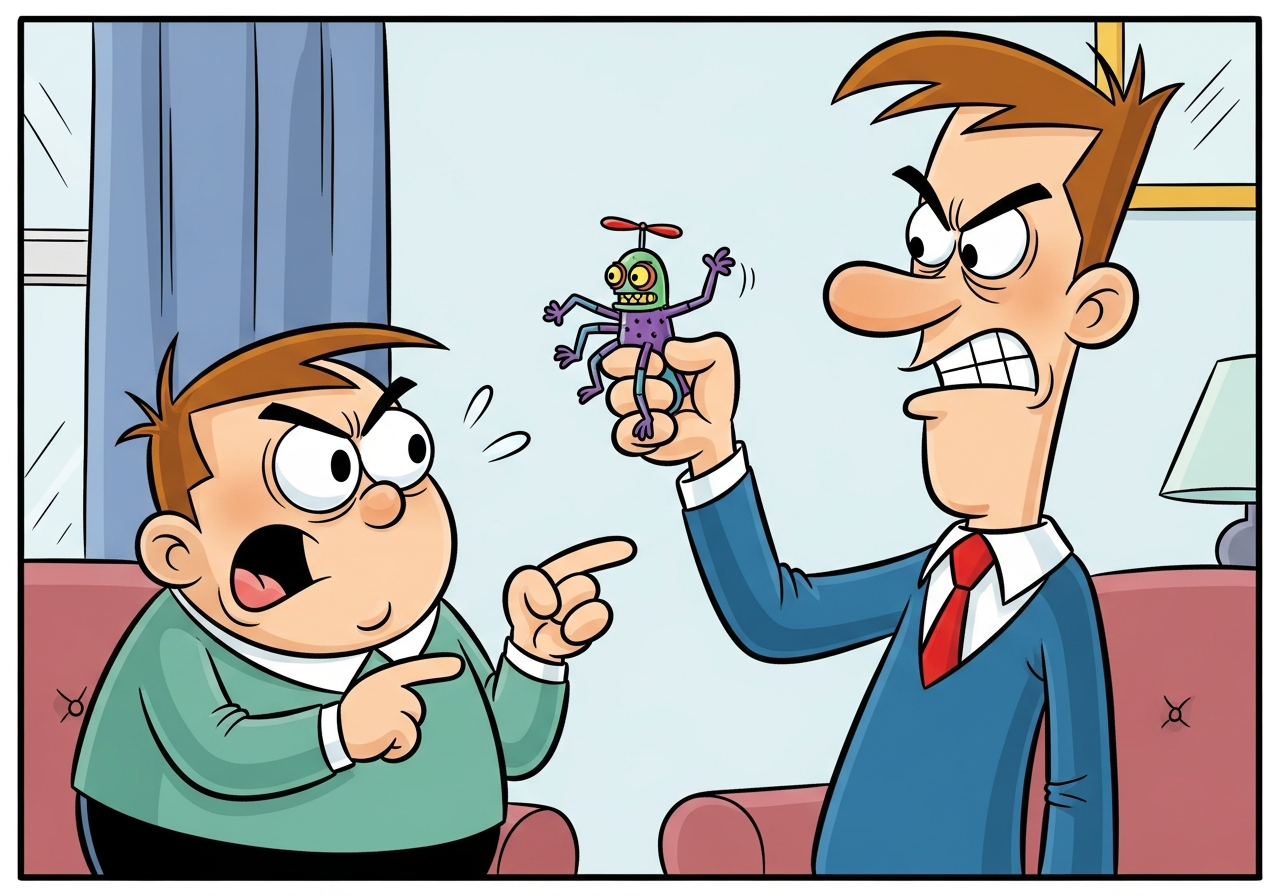
[Setup: the normal-world statement. Two characters, one prop, no clutter.]
[A]: [The premise line.]
[Build: take the premise one step too seriously.]
[B]: [The escalation.]
[Beat panel — silence, a look. The pause IS the timing.]
[The turn: the logical-but-wrong conclusion.]
[A]: [Punchline. Fewest possible words.]
Comic stripComic bookThree to four panels, one joke — setup, build, turn.Contracts, proposals, white papers — documents that close.
This Services Agreement ("Agreement") is made as of [DATE] between [PROVIDER NAME] ("Provider") and [CLIENT NAME] ("Client"), together the "Parties."
Provider will perform the services described in Exhibit A (the "Services"). Work outside Exhibit A requires a written change order signed by both Parties before it begins.
Client will pay Provider [$AMOUNT] [per hour / per month / fixed fee], invoiced [monthly / on milestones]. Invoices are due within [15/30] days. Late amounts accrue [1.5]% per month. [Deposit: $AMOUNT due on signing, credited to the final invoice.]
This Agreement begins on [DATE] and continues until [DATE / the Services are complete]. Either Party may terminate on [14/30] days' written notice. On termination, Client pays for all work performed through the termination date.
Upon full payment, deliverables specified in Exhibit A are assigned to Client. Provider retains ownership of pre-existing materials and general know-how, and grants Client a perpetual, non-exclusive license to any embedded in the deliverables.
Each Party will protect the other's non-public information with reasonable care and use it only to perform this Agreement, for [2/3] years after termination.
Provider warrants the Services will be performed in a professional and workmanlike manner. NEITHER PARTY IS LIABLE FOR INDIRECT OR CONSEQUENTIAL DAMAGES; total liability is capped at fees paid in the [6/12] months before the claim.
Provider is an independent contractor, not an employee. This Agreement is governed by the laws of [STATE], is the entire agreement, and may be amended only in writing.
[This template is a starting point, not legal advice — have counsel review before signing.]
Provider: ______________________ Date: ________
Client: ______________________ Date: ________

This Mutual Non-Disclosure Agreement ("Agreement") is made as of [DATE] between [PARTY A] and [PARTY B] to explore [PURPOSE — e.g., a potential business relationship] (the "Purpose").
"Confidential Information" means non-public information disclosed by either Party, in any form, that is marked confidential or that a reasonable person would understand to be confidential — including business plans, financials, customers, technology, and product roadmaps.
Confidential Information does not include information that: (a) is or becomes public through no fault of the recipient; (b) the recipient knew before disclosure; (c) is independently developed without use of the discloser's information; or (d) is rightfully received from a third party without restriction.
Each Party will: use the other's Confidential Information only for the Purpose; protect it with at least reasonable care; and share it only with employees and advisors who need it for the Purpose and are bound by comparable obligations.
A recipient may disclose Confidential Information when legally required, after giving the discloser prompt notice (where lawful) and reasonable cooperation to seek protective treatment.
This Agreement runs for [1/2] years from the date above; confidentiality obligations survive for [3/5] years from each disclosure. On request, each Party will return or destroy the other's Confidential Information.
No license, partnership, or obligation to proceed is created. Governed by the laws of [STATE]. This is the entire agreement regarding its subject and may be amended only in writing.
[Template, not legal advice — have counsel review before signing.]
[PARTY A]: ______________________ Date: ________
[PARTY B]: ______________________ Date: ________
Mutual NDAArticleTwo-way confidentiality agreement — definitions, carve-outs, term.
[The client's problem, in their words — quote the discovery call. If this section doesn't make them nod, nothing after it matters.]
[The measurable outcome: "[metric] moves from [X] to [Y] by [date]." Agreeing on this IS the sale.]
[The plan in three phases:]
[Three options, anchored high:]
[One paragraph, one proof: the most comparable result you've delivered, with a number and a name (with permission).]
[The single action: "Reply by [date] and we start [date]." Include validity: this proposal holds for [30] days.]
Business proposalArticleThe document that wins the deal — problem, plan, price, proof.
[The whole paper in five sentences: the question, the method, the three findings, the recommendation. Written last, read first — most readers stop here, so make it complete.]
[Why this question matters now — the market shift, the regulation, the cost curve. Frame with data, not adjectives.]
[What you studied and how: sample, time period, definitions. Two paragraphs of honesty that buy credibility for everything that follows.]
[The data, then what it means. One chart described per finding.]
[The counterintuitive result readers will cite — with the caveat stated plainly.]
[The gap between leaders and laggards, quantified.]
[What a smart operator does differently starting Monday — three recommendations, each tied to a finding.]
[Who conducted it, disclosures, how to get the dataset or ask questions.]
White paperArticleAuthority in long form — research framing, findings, implications.
[Customer] · [Industry] · [Size] · [The headline number: "3.2× pipeline in two quarters"]
[Their world before: the process that was breaking, sized with a number. Quote the champion on what it felt like.]
"[The before-state quote — frustration in their own words]." — [Name, Title, Customer]
[What they implemented and how — the decision, the rollout, the one integration detail that made it stick. Honest timeline included.]
"[The after-state quote — the one that sells]." — [Name, Title]
[Where they're expanding — the quiet proof of satisfaction. End with the reader's next step.]
Customer case studyArticleBefore, after, and the numbers — proof in narrative form.Dozens of worked templates — a comic issue with drawable panels, a novel's opening chapters, a client-ready contract, an op-ed that argues — each opening as a real formatted draft.
Screenplays in industry format, comics in full script, books in chapters, news in the inverted pyramid — the editor knows the craft of each.
Outline the work, draft a scene, keep a chapter going, rewrite a passage under direction — every action briefed on your format.
Live writing checks, readability, tone rewrites — the same assistant that powers Docs, built in.
One tap compiles the work into a post on your journal — public page, RSS, subscriber email, and your owned site, all at once.
Cover art and interior imagery ride the same engines as Studio — drop a generated still straight onto the work.
Export clean HTML any time. Your manuscript is yours — syndication, not lock-in.
Drop a link to your site, app, social profile, or videos — get it scored against the winners in your category, with the opportunities that move it.