


WHO Seeks Russia Details on Reported Second Case

Acute respiratory failure brought Darya Shipilova into hospital in late September. She was twenty-eight, a laboratory technician at the Irkutsk Anti-Plague Research Institute of Siberia and Far East in Shelekhov. Doctors placed her on a ventilator. On October 2 she died.
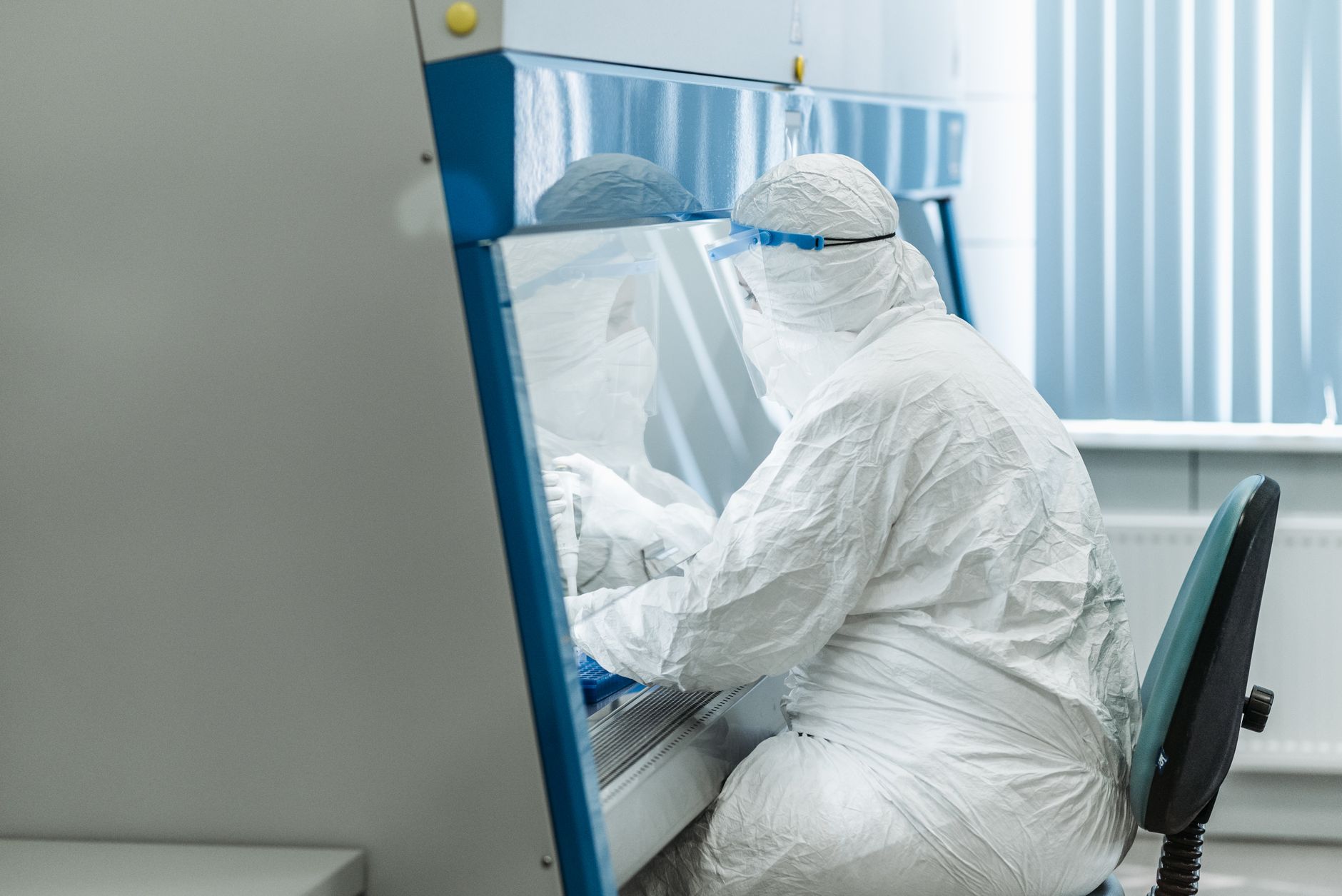
Local reports said she had accidentally broken a test tube during laboratory work and may have been exposed to a pathogen. The institute is charged with research on plague and other highly dangerous infections—diseases that still circulate among wild rodents in parts of Africa, Asia, and the Americas, and that in earlier centuries produced pandemics capable of killing on a continental scale. The Black Death of the fourteenth century alone left tens of millions dead across Europe.
Rospotrebnadzor, Russia’s federal agency for consumer rights protection and population welfare, officially classified Shipilova’s death as pneumonia of unknown origin, also called pneumonia of unknown etiology. The classification named only the failure of her lungs and left the cause blank.

Alexey Tsydenov, head of the neighboring Republic of Buryatia, posted on social media that the technician had died of plague, then edited the message so that it said only that she “may have” been infected. In Baikalsk, municipal authorities put up a Telegram notice urging residents not to travel to Shelekhov. The warning stayed up for two hours and then disappeared from the official channel. Other versions circulated at the same time: some said infection might have occurred during a trip to Thailand; others pointed to a visit near the Mongolia border. None settled what pathogen, if any, had been involved.
Authorities identified roughly 197 to 200 people as direct or indirect contacts of laboratory staff and placed them under medical observation and quarantine. About a hundred of those contacts were monitored in hospital wards, their daily tests still running while the cause of the original pneumonia remained unnamed.
Independent regional outlet Lyudi Baikal reported that a second person had died with severe respiratory symptoms at Irkutsk District Hospital. The account was unverified. Reuters searched Russian media and found no stories and no evidence confirming that a second death had occurred.
On X, WHO Director-General Tedros Adhanom Ghebreyesus published the organization’s position. “WHO has requested further information to clarify the cause of the severe pneumonia, the pathogen that prompted the public health measures, and media reports of a second employee with pneumonia of undetermined cause,” he wrote. He added: “Timely, complete and transparent information sharing under the International Health Regulations is essential to clarify conflicting reports and enable an accurate assessment of potential public health risks.” The International Health Regulations are the binding framework under which countries exchange outbreak data with the WHO so that public-health risks can be judged accurately across borders. Moscow had already told the agency that its epidemiological investigation was finished and that no high-threat pathogens had been found among the people under observation. What remained unanswered was the identity of whatever had filled Shipilova’s lungs, and whether anyone else from the institute had fallen sick the same way.
Mikhail Favorov, a senior Russian epidemiologist, told The Moscow Times that the broken-test-tube account did not hold. Staff at the institute work in full protective suits, he said, and infection by that route is unlikely. “It's laughable... If you break a test tube, the likelihood of infection is actually very low. In short, it doesn't matter to the general public – they'll believe the 'broken test tube' story.” He did not leave the silence there. “It's absolutely hair-raising. We will not be told what really happened.”
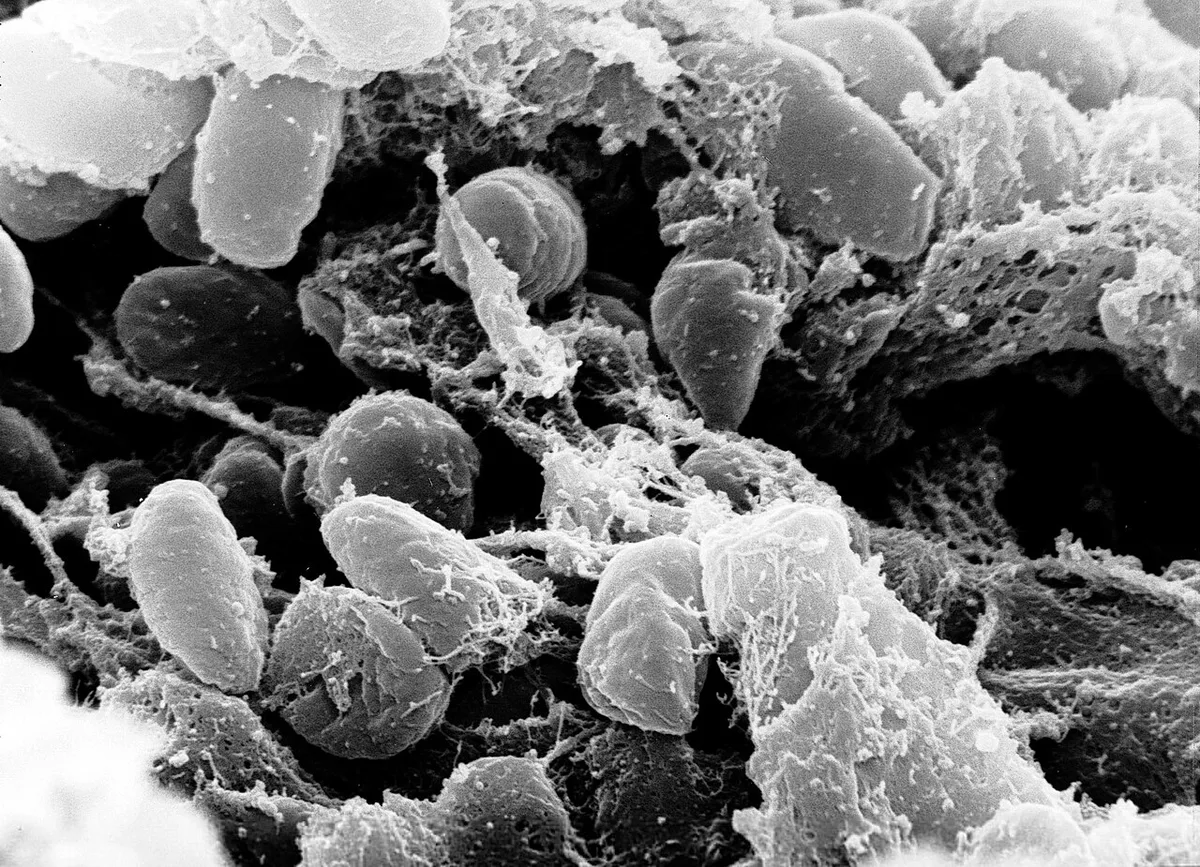
The organism at the core of the institute’s mandate is Yersinia pestis, the bacterium that causes plague. In its bubonic form the infection lodges in the lymph nodes and is carried by fleas. The pneumonic form settles in the lungs and moves from person to person on airborne droplets. Untreated, it is almost always fatal. Without a confirmed identity there is no way to know whether the danger stops at a single laboratory accident or can travel through a ward on breath alone.

Rospotrebnadzor said on Tuesday that no cases of plague had recently been registered in Irkutsk oblast. Daily laboratory testing of the contacts under observation had found two cases of COVID-19 and two of rhinovirus, and no other infections. A local official said sixty percent of those placed in quarantine had been released. Irkutsk region Governor Igor Kobzev said family members and close contacts still under observation could be discharged the following week.
Kremlin spokesperson Dmitry Peskov addressed the coverage that had grown around the case. “There is a great deal of media coverage, and the vast majority of what the media are reporting about this situation is false information.” He pointed listeners to the information issued by Rospotrebnadzor. Outside Russia, U.S. Secretary of State Marco Rubio urged Moscow to share information. U.S. President Donald Trump said a call with Vladimir Putin was planned “very soon.”
The World Health Organization, the United Nations specialized body based in Geneva that coordinates responses to international public-health emergencies, remained in contact with Russian health authorities and offered technical support. On the information then available it assessed the risk as moderate to low for the Irkutsk region, low for Russia, and very low for Europe. Russian health authorities described the case to the organization as community-acquired pneumonia and said preventive and control measures had been implemented around the contacts. No cause of death had been officially confirmed.
In hospital wards in the Irkutsk region, the contacts who had not yet been released remained under medical observation. At the Irkutsk Anti-Plague Research Institute of Siberia and Far East in Shelekhov, the pathogen that had prompted the public-health measures had not been identified.