


Trapped Busan Shark Draws 600,000, Becomes Ambassador
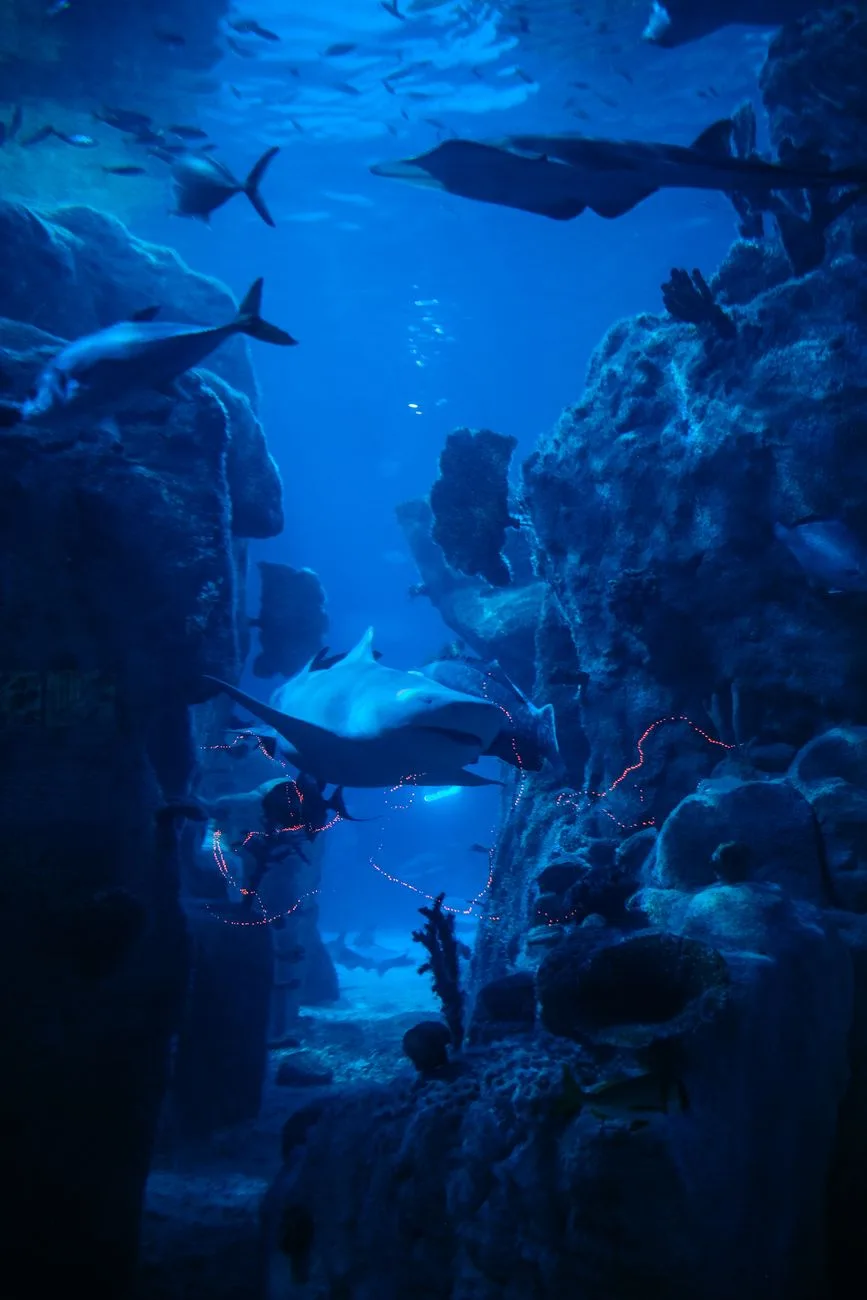
At about 8:57 a.m. on September 18, a gray shark of roughly 3.5 meters, about 11.5 feet long, was first spotted in the artificial waterway near North Port Waterfront Park in Busan. It was seen again the next day. The Korea Coast Guard sent boats and a rescue team to guide it toward open water. Scientists warned that forcing the animal could harm it or trigger defensive behavior, and the early guide-out was suspended.
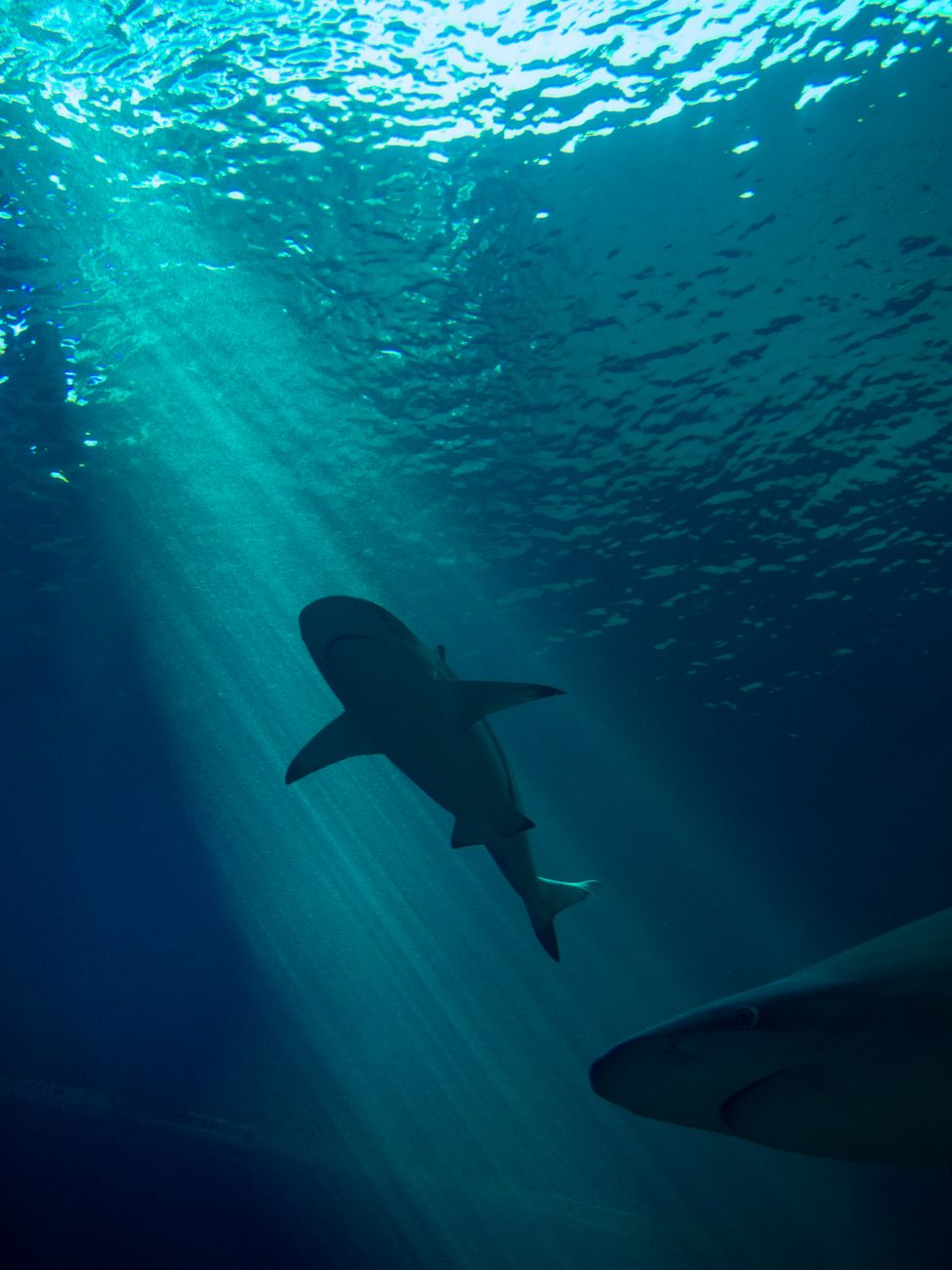
Experts initially took it for a basking shark, a large filter feeder generally considered non-aggressive toward people. Later assessments identified a bronze whaler, also called a copper shark — a requiem species found mostly in temperate latitudes, ranging from brackish river mouths and shallow harbors out to water 100 meters deep or more. Copper sharks feed mainly on cephalopods, bony fishes, and other cartilaginous fishes, and they reach a maximum length of about 3.3 meters. Other reports suggested a bull shark. The animal had likely followed prey in from the sea and then could not find the exit. It was nicknamed Bukangi or Bukang-i from Buk Hang, the Korean name for North Port.
Nearly two weeks on, it was still circling the confined canal. Scientists said the shark remained stable, yet its feeding and movement were restricted, a constraint that could weaken it the longer it stayed trapped.
About 600,000 people visited North Port Waterfront Park between September 19 and the 28th. One tally put the figure at 607,000. About 480,000 came during the four-day Chuseok holiday alone. The park’s normal weekend average is around 2,000. Crowds gathered to cheer, photograph, and film the shark each time it surfaced.
Five vessels worked the waterway at Busan’s North Port, spraying streams of water from tanks behind the shark, trying to push it toward open sea. Officials had deployed the boats for a herding attempt watched by huge crowds on site and followed live on YouTube. Bukangi repeatedly swam past the vessels or dived beneath them. It remained inside the canal.

A Busan Metropolitan Government official accounted for how far the drive went and why it stopped, as reported by The Chosun Daily. “We drove Bukangi to the sixth pedestrian bridge at the waterway’s exit, but it returned. With low tide ending and the pump method reaching its limits, we stopped the operation.”
The crews gave up hours later. During the boat operation some held farewell banners and shouted for the animal to return. Others argued online whether a shark that had swum in on its own needed to be forced out at all.
A poll on the city’s official Instagram account asked whether to name the shark an honorary ambassador. About 8,000 to 8,200 people took part, and 91 percent approved. On September 29, Busan declared Bukangi an honorary public-relations ambassador. City mascot Boogi accepted the certificate on the shark’s behalf because the shark could not attend. Related social content drew more than 1.05 million views.
“Bukangi has naturally become a new part of Busan’s story with the interest and love of the city’s people,” Mayor Chun Jae-soo said. “Bukang-i has established itself as a new story of Busan amidst the interest and affection of the citizens. In particular, as more than 8,000 citizens sent their opinions, we have appointed him as an honorary ambassador to reflect the will of the citizens,” Mayor Jeon Jae-soo said.
Mayor Chun Jae-soo thanked the involuntary visitor for publicity that would otherwise have cost “trillions.” The city moved to convert that attention into lasting promotional work it could keep running once the immediate rush had passed. Officials planned a body of content that would pair Boogi, Busan’s communication character, with Bukangi. Through social pieces built around the two figures, they meant to convey the city’s maritime image to residents and tourists in a familiar way.
Kwak Keum-joo, a psychology professor at Seoul National University, said, “As the era of companion animals arrived, the sense of familiarity with animals extended even to wild animals, and people came to project their emotions onto the freedom and sense of release that the wild offers.” She added, “When a particular animal becomes popular, the collective tendency to cheer for it and enjoy it together also fuels the spread of the fandom.”
Busan is South Korea’s second city, the country’s busiest port and the sixth-busiest container port worldwide. The following around the shark in the North Port canal left the city with more than a temporary crowd.
At North Port Waterfront Park, the city stepped up safety measures. Notices urged people not to approach the water or lean over barriers as visitors continued to come for a look.
Kim Won-ho, a Busan City official, said crews would keep adjusting their methods as the situation on the waterway developed. “We’re adapting our response to the situation on site.” Officials reported no clear signs that the shark’s health had deteriorated inside the confined canal. They still considered a return to the open sea crucial for long-term safety. Another attempt to free Bukangi was already being prepared.
A Busan Metropolitan Government official, via The Chosun Daily, described the day’s focus on the waterway. “Today, we focused on guiding Bukangi to exit on its own rather than directly spraying water. We plan to try a different method on October 2.”
The National Institute of Fisheries Science was producing a specially designed net for that attempt, to a length of 50 meters, about 54 yards, or bigger. Tentative plans called for one boat to stretch the completed net across the waterway so that it blocked the canal, while a second boat sprayed water from behind the shark, driving the animal forward so the net could channel it toward the exit and into open sea. The return effort was to be streamed live on the city’s official Instagram and YouTube accounts.
The specially designed net was still unfinished. The gray shark continued circling inside the North Port canal.