


Third Polish school attack in week injures three
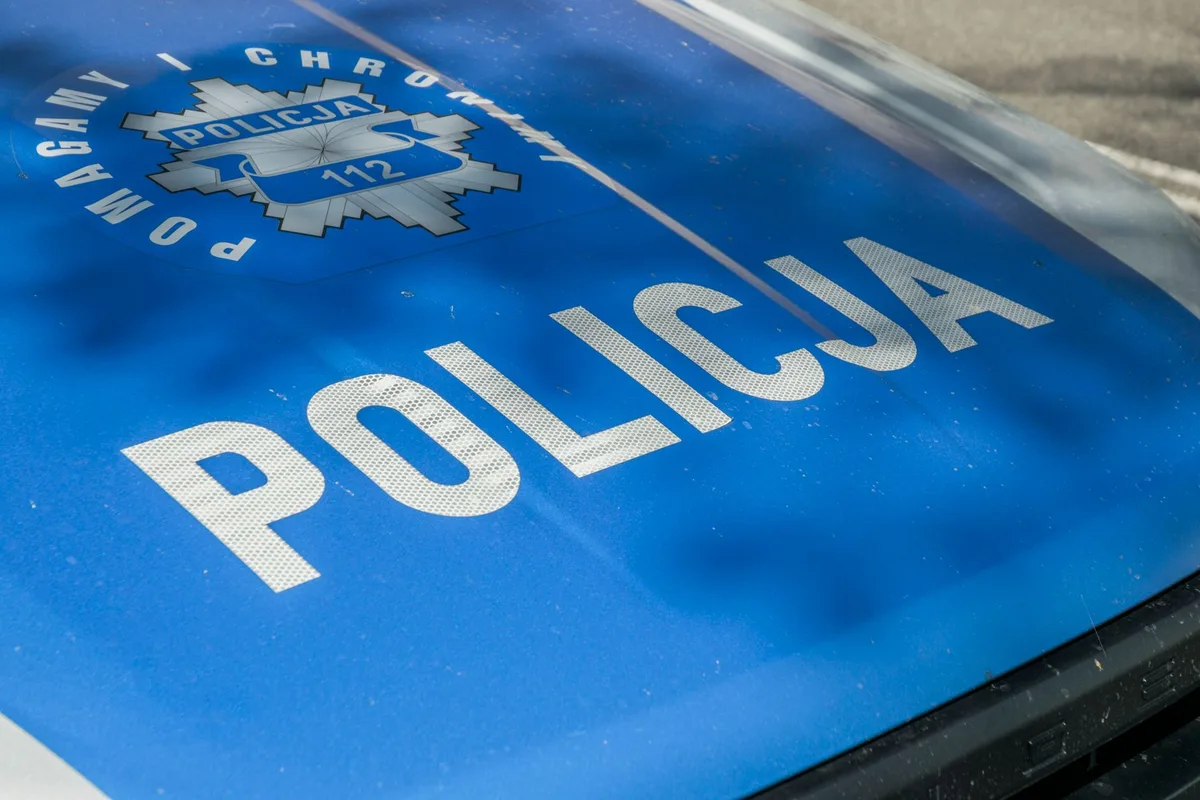
Bloodstains marked a patch of grass near the entrance of a post-secondary school on Minska Street in Warsaw’s Praga district. Saturday afternoon, October 10, 2026, had left them there while the school stayed open for enrollment. Around 12:30 p.m. local time—10:30 GMT—a 21-year-old woman used a dangerous object against people at the institution.
Jakub Filipiak, the Warsaw police spokesman, placed the call on the record. “At 12:30 today, we received a report of an incident involving the use of a dangerous weapon,” he said.
A university employee detained the woman before police arrived and held her until officers could take custody. Police reached the scene four minutes after the call. “One person was injured and transported to the hospital with non-life-threatening injuries. Two other bystanders also sustained injuries but did not require hospitalisation,” Filipiak said.
The person taken to hospital was a 17-year-old girl with non-life-threatening cuts to the forearm. The other two, aged 17 and 24, were treated at the scene. Two of the three had come to submit enrollment documents. Police did not name the educational institution in their first accounts. Gazeta Wyborcza identified it as TEB Edukacja, a post-secondary school. The attacker was a student there. Preliminary findings said she did not know the victims.
The patrol arrived to a detention already made and to three people already hurt at a school still open for enrollment. A Warsaw police spokesperson said authorities could not confirm whether Saturday’s incident was related to two earlier attacks that week.
On Wednesday, October 7, a 19-year-old attacked a vocational school in Ostrołęka, Mazovian province, with a sharp object, injuring nine people. Some reports put the total at ten, counting the attacker himself. The suspect was arrested nearby and was also injured.
The following day, October 8, a 15-year-old entered John-Paul II primary school in Leszczydół-Nowiny, north of Warsaw. Wearing a helmet-mounted camera, he killed a 37-year-old caretaker and wounded two others. The assaults, carried out by Polish nationals, shocked a country where school violence by minors registered as a new phenomenon.
By Friday the national response was already under way. Police checked nearly 50,000 schools and facilities nationwide and detained 76 people. As of 6:00 a.m. Saturday they had recorded 231 incidents on reasonable suspicion of crime. Rumors that the attacks were coordinated and that more would come on a day called “bloody Friday” had moved through parents’ online groups and mainstream media the night before. Fifty-nine schools suspended classes on Friday, the majority in the Mazovian district. Directors placed extra staff at entrances and ordered voluntary backpack checks. Patrols appeared at educational institutions across the country.
Kacper Rekawek, senior researcher at the International Center for Counterterrorism in The Hague, put the week on a longer trail. “This is essentially a copycat scenario, something of a long trail of attackers going back to at least 2019, if not decades earlier,” he said.
Local media reported that authorities had information suggesting the incidents could be related to an internet challenge. The government said it had found no evidence that an organized challenge promoting school attacks was ongoing. There was no official confirmation that the attacks were linked.
“When it comes to the safety of Polish children and peace in our schools, there is no room for compromise,” Prime Minister Donald Tusk said. Interior Minister Marcin Kierwiński stated the same limit: “There will be no compromise here. The safety of the youth is the most important thing.” Tusk named what the law still withheld. “If that juvenile attacker had streamed the crime online today, we would have been unable to block that content because we have not been given that legal tool.” The government promised to renew efforts to pass a bill blocking harmful online content. Extra security measures at schools would continue, and crisis training would be organized.
The 15-year-old who had worn the helmet-mounted camera into John-Paul II primary school on Thursday was eventually overpowered. Krzysztof Ochmański, the school principal, stopped him by force and then stayed with him long enough to talk. The principal later told reporters there was a moment when the boy seemed to realize the enormity of his actions and said he did not want to do this anymore. The boy’s words shifted. He asked first for help.
“Once I had established contact, he asked me for help. It got to the point where he wanted a hug,” Ochmański said.
Kierwiński announced the detention of a 17-year-old in the town of Sierpc, northwest of Warsaw. The teenager had been held after allegedly stating, while on school grounds, that he planned to do something dangerous and that he intended to harm someone. The minister carried the alleged statement into the public record in one continuous phrase: “on school grounds that he planned to do something... dangerous - that he intended to harm someone.”
Investigations continued on whether any of the week’s attacks connected. Authorities stayed with the work of clarifying the circumstances of the events and of determining whether any thread joined them. The inquiries remained open on that point. In Warsaw’s Praga district the grass near the entrance on Minska Street showed the bloodstains of Saturday afternoon.