

SAP Agrees to Acquire Belgian AI Firm TechWolf

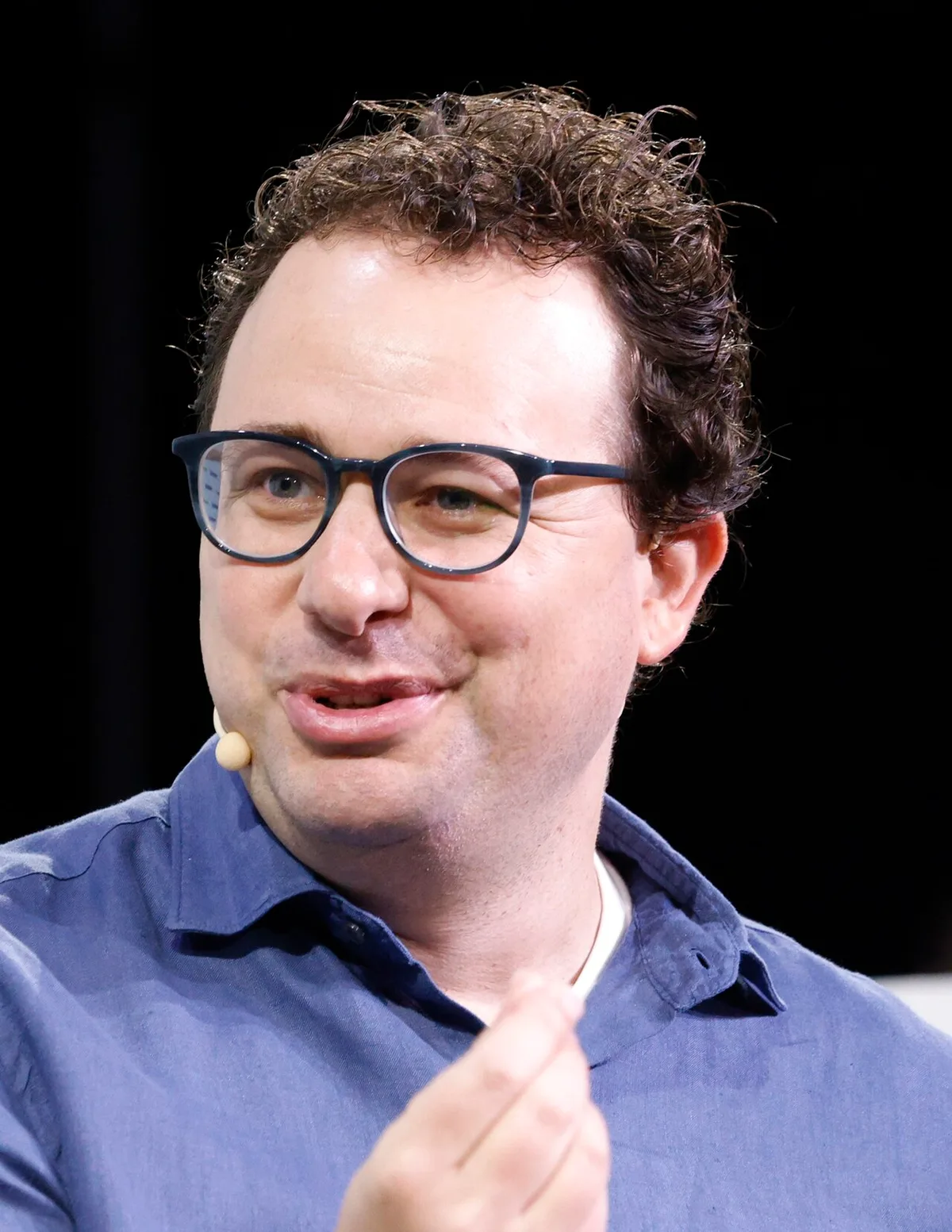
Andreas De Neve, chief executive of TechWolf, was the executive who spoke for the company when the news broke. On October 6, 2026, SAP and TechWolf jointly announced an acquisition agreement under which SAP would acquire the Belgian AI firm. “Organizations everywhere are trying to figure out how AI is reshaping work, and what their workforce needs to look like because of it,” De Neve said.
Financial terms of the deal were not disclosed. The joint announcement stated that an agreement had been reached and then went silent on every commercial detail of the purchase. There was no price. There was no valuation. TechWolf is based in Ghent, Belgium, and that was among the few concrete specifics the companies put beside the fact of the deal itself. De Neve’s quote supplied the rest of the public frame on the day the agreement became known.
The announcement named the buyer and the seller. It left open what TechWolf had spent its years building, how that technology worked, and which organizations already depended on it.

TechWolf was founded in 2018. The firm employs more than 120 people. Its offices are in London and New York, with a San Francisco location soon to open. What those teams built is an AI platform that gives a company a continuously updated view of the work its employees do and the skills they hold.
The model behind that view covers three levels: the tasks within roles, the skills people possess and apply, and the external labor market. It draws on the HR and business systems a customer already uses. The result is a single live picture of work and capability. Those responsible for recruitment, reskilling or redeployment can then rely on better information about the workforce they have and the one the organization still needs.
HSBC, GSK, Ericsson, AMD, PayPal and Booking.com are among the customers already depending on it. At the center sits TechWolf’s proprietary context graph for work, the data model that holds the three levels together in one continuously refreshed layer. A context graph links tasks to the skills they require and to the labor market beyond the firm, so questions about who can do what rest on structured knowledge. That graph was the product the years since 2018 had produced.
Manoj Swaminathan, president and chief product officer of SAP Autonomous Suite, named what the acquisition would put in SAP’s hands. “TechWolf's proprietary context graph for skills and work provides an excellent grounding layer for agent queries regarding work and skills planning and talent management,” he said. A grounding layer is the verified store of work and skills an AI agent consults before it answers. SAP intends that store as the core of SuccessFactors, its human-resources software, and of Joule, its AI assistant.

“This grounding layer perfectly matches our strategy. It makes token usage more efficient, lowers the cost of deploying workforce agents and will make Joule more intelligent in AI-driven HR scenarios such as skills-based hiring, workforce planning and role redesign.” Tokens are the units of text a language model processes on every query. Fewer of them make each workforce agent cheaper to run. Swaminathan restated the same foundation once more: “TechWolf's 'Context Graph for Work' provides a very strong data and knowledge foundation for queries related to workforce and skills planning as well as talent management.”
The companies already shared customers, and their existing partnership was yielding measurable results for those customers. The path that carried TechWolf from a 2018 startup to a firm SAP was prepared to buy ran through the capital it had raised and the backers who had written the cheques.
In 2024 TechWolf raised $42.75 million in a single funding round. SAP participated. Elsewhere the same raise was reported as roughly $43 million. Across its history the company has raised more than $50 million.
The backers behind those figures cut a wide arc. Felix Capital invested. Notion Capital invested. Harry Stebbings’ 20VC invested. SAP, ServiceNow and Workday each took stakes. Individuals from DeepMind and Meta held positions as well. Money from specialist venture houses sat beside capital from the platforms that dominate enterprise software and from people who had worked at DeepMind and Meta.

Those rounds paid for the long build. SAP’s 2024 cheque turned a commercial partnership into an equity stake. Capital had scaled the firm. The backers had underwritten the engineering. SAP already sat on the cap table when the path from investor to buyer reached its next step.
The deal was expected to close in the fourth quarter of 2026, subject to regulatory approval. Until that point the two companies would keep operating separately. Signature had fixed the terms; clearance and closing were the steps that remained.
Under the current plans TechWolf would stay an independent entity after the transaction, still led by CEO Andreas De Neve. Customers who do not use SAP software would continue to have access to the platform. Once the deal closed, the two sides intended to develop new AI products together for workforce and skills optimization.
According to TechWolf, the deal is the largest acquisition of a venture-backed software company in Belgian history.