



FDA Approves Kerendia, First Type 1 CKD Drug
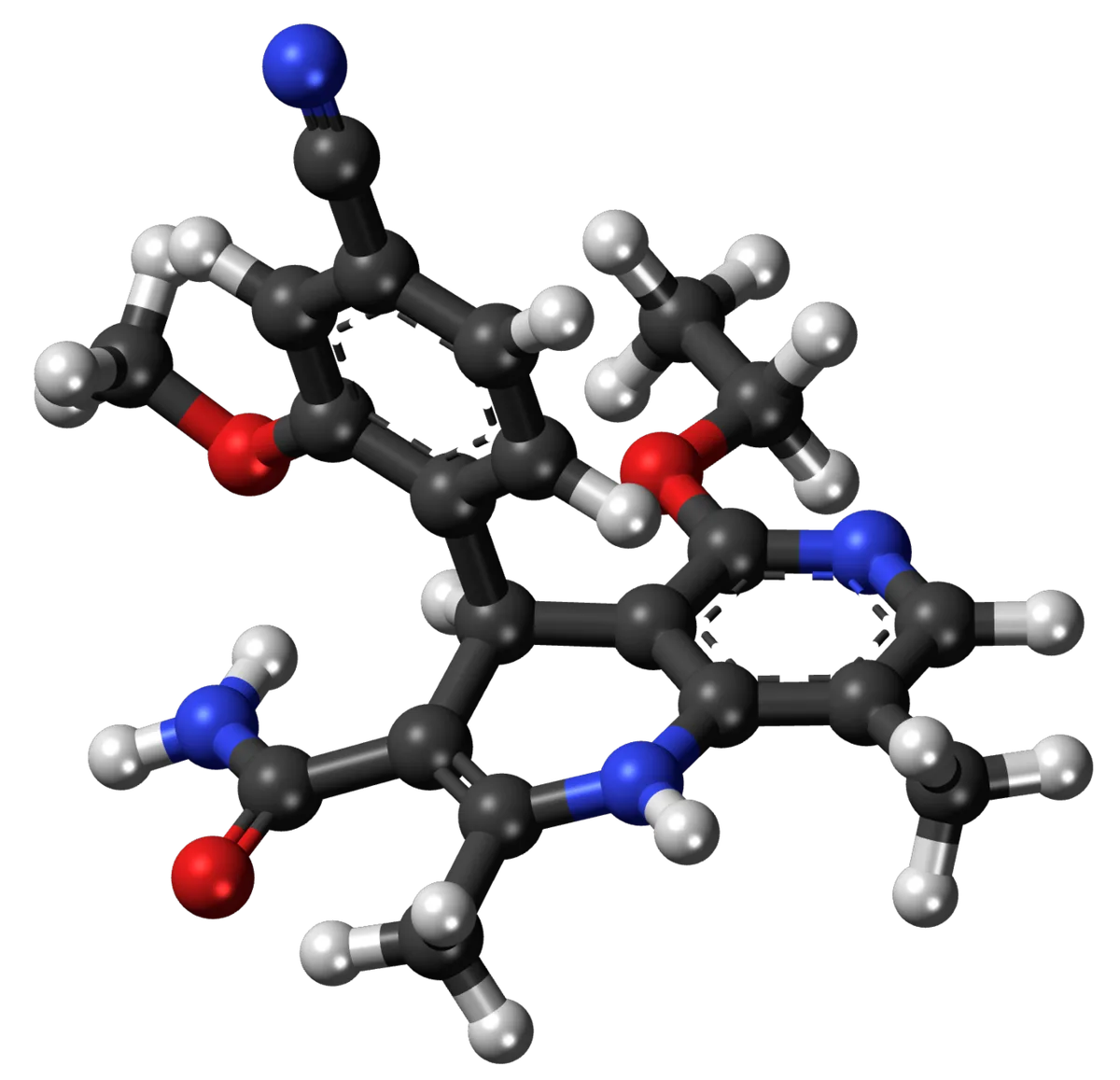
On Sep 17, 2026, the FDA approved Bayer's Kerendia (finerenone) for adults with chronic kidney disease associated with type 1 diabetes, the first new treatment for that indication in more than 30 years. The decision followed Priority Review of a supplemental New Drug Application and was supported mainly by the Phase 3 FINE-ONE trial, which showed a 25% drop in urinary albumin-to-creatinine ratio versus placebo after six months, plus earlier FIDELIO-DKD and FIGARO-DKD data from type 2 diabetes CKD. About 20-30% of people with type 1 diabetes develop CKD. Kerendia already held U.S. approvals for CKD and cardiovascular risk in type 2 diabetes and for heart failure with preserved ejection fraction. Dr. Janet McGill, professor of medicine at Washington University School of Medicine and co-chair of the study's executive committee, said the approval "provides an important new option for patients who have faced limited choices for decades in managing CKD progression associated with type 1 diabetes." FINE-ONE also recorded a larger six-month eGFR decline on finerenone than placebo (-5.6 vs -2.7), described as a reversible hemodynamic effect rather than harm. AInvest reported Kerendia 2025 sales of €829 million, up 88%, against a €1.1 billion Xarelto sales drop from patent loss, and noted roughly 170,000 pending Roundup lawsuits tied to a proposed $7.25 billion settlement still awaiting a judge's approval after an earlier $10 billion arrangement fell apart in 2020. Coverage was limited to one right-rated outlet; no left- or center-rated headlines appear in the record.