



Charles Spencer Memoir Revives Diana Royal Controversy
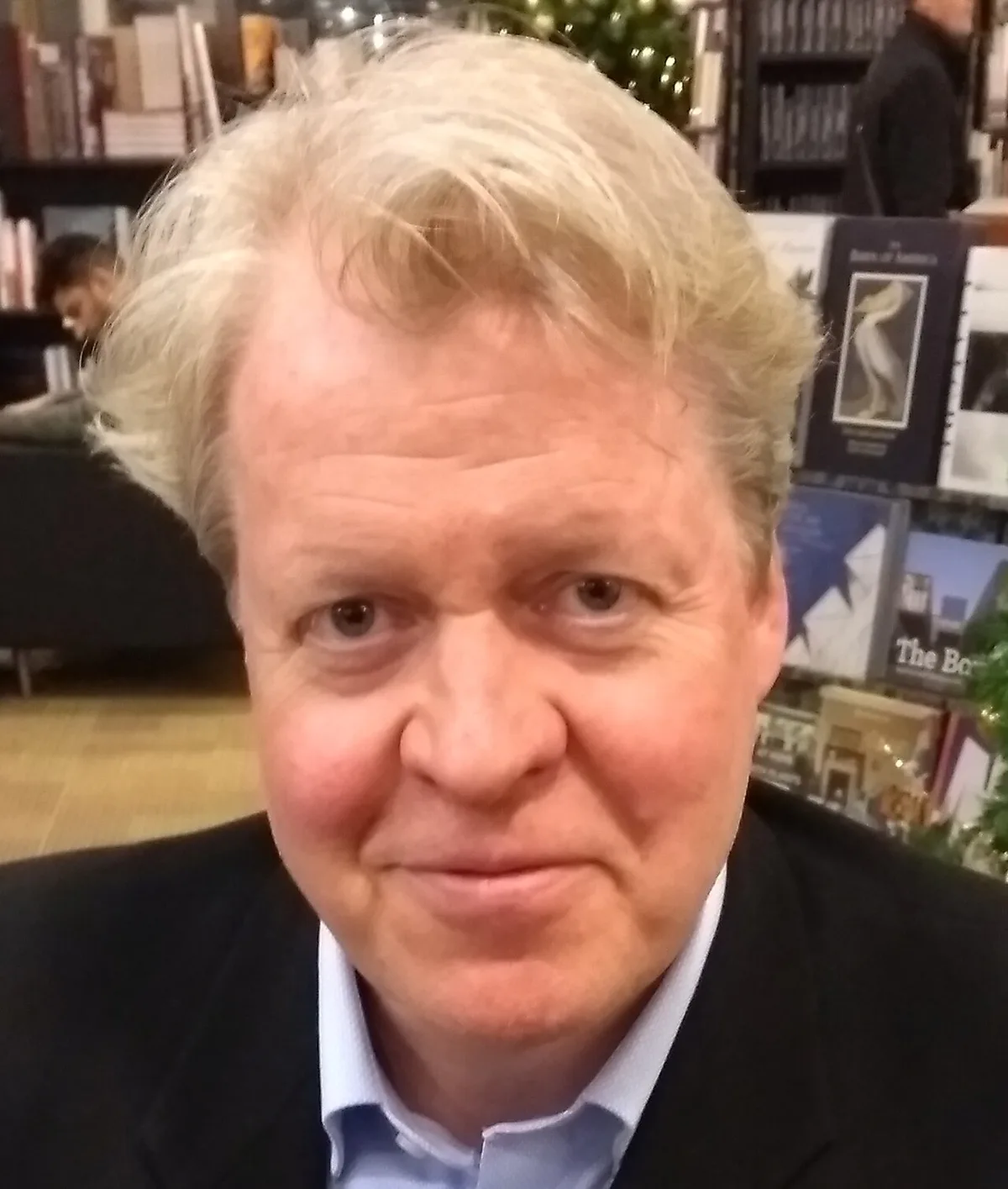
In Cape Town, South Africa, Earl Spencer was at home with his children when his sister Jane reached him in the middle of the night. It was 31 August 1997. She told him Diana had been in a car crash in Paris. Dodi Fayed and the driver, Henri Paul, were dead; the bodyguard Trevor Rees-Jones was the sole survivor. After what Spencer later called escalating dread, the confirmation arrived that his sister had died. The divorce between Diana and then-Prince Charles had been finalized the August before.
The phone rang constantly. Charles caught him, Spencer wrote, as he crossed the landing upstairs. Unlike the other callers, who were stunned and barely able to articulate condolences or offers of help, the prince sounded giddily elated—like a lottery winner, Spencer remembered thinking at the time. On that call Charles said he had already told the boys of their mother’s death.
Looking back, Spencer wrote that he suspected the prince’s first reaction must have been to think more of how the event might free him to marry the woman he loved than of the loss of one he did not. The exchanges over the coming days would not stay at that first call.

Over the funeral procession, Spencer said he told the then-Prince of Wales that Diana never would have wanted her sons to walk behind the coffin. The question was whether Princes William and Harry must take that place in the cortege. William was then 15. Harry was then 12. Charles, the earl said, “went ballistic.” He “started really going for my family as a whole, about their sense of duty, not being adequate enough, and ranted for a while, I have no idea how long, but it was a significant period, and I just listened.”
Spencer later said that when the rant ended he thought the prince would pull himself together and say something more appropriate. What came instead, by Spencer’s telling, was the remark he called monstrous and said he reported straight away to close friends and family.
We’ll forget her soon enough.
The allegation is aimed at King Charles III. After the funeral on 6 September 1997, the train ran from London to Althorp. “My chief memory of that train journey is of being concerned at the lack of obvious care for Harry, as he decompressed from the ghastliness of the morning,” Spencer wrote. “He needed Diana’s hugs, of course, and they would forever be denied him. But instead of calm and nurture, he was allowed to spin out of control.” He said he could not get over how tiny, and slight, and bereft his nephew looked. He remembered thinking Harry was too small to be doing this.
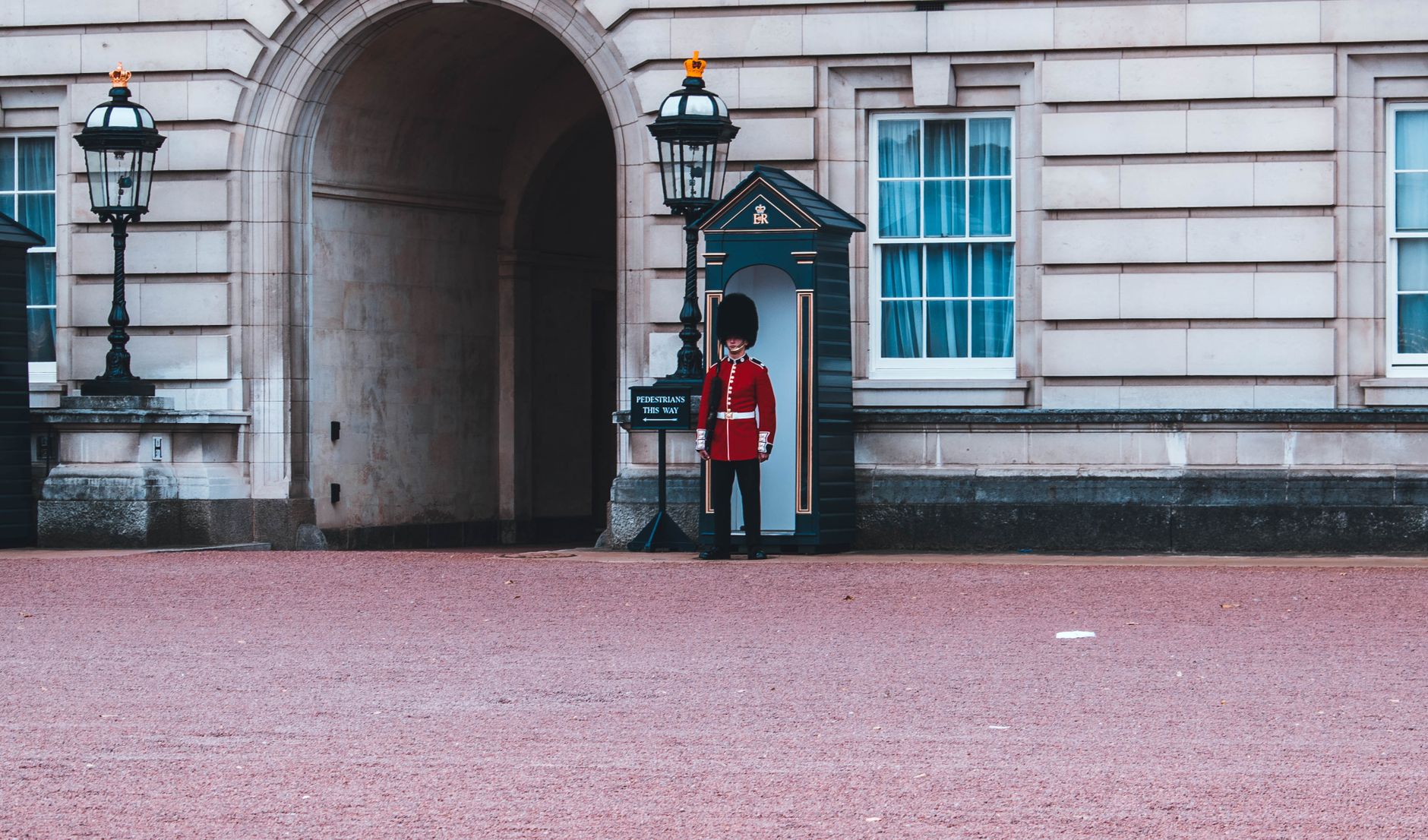
On that day Queen Elizabeth II reportedly offered to restore Diana’s HRH title. Spencer declined the offer on her behalf. He detailed feeling shut out by royal protocol during the funeral arrangements, and alleged that royal officials turned down a request to play Mozart’s Requiem—music loved by Diana—at the funeral. “Diana remained theirs, in Buckingham Palace’s eyes, even in death,” he wrote. “Her family, despite her divorce, were simply expected to fall into line with any royal decisions.”
Advance excerpts from Spencer’s memoir, Swan Song: Diana, My Sister, were already out when Dawn Neesom faced Jennie Bond on GB News. The Daily Mail was serializing passages ahead of the book’s September 22 release. Neesom opened without cushion. “Charles Spencer must really, really hate King Charles, mustn’t he?”
Bond answered from the earl’s own words. “Well, in another interview he has said that frankly, he’s not interested in the Royal Family,” she said, noting that Spencer claimed they simply did not interest him—strange, she added, when the late Queen had been his godmother, the King was his former brother-in-law, and his sister had once been set to become queen. What Spencer said he wanted was to paint the unvarnished truth about Charles and Diana and a portrait of his sister. Bond had hoped for an affectionate one from someone who really knew her. “But it’s not that. In my view it’s a character assassination of the King, which is really rather sad.”
The excerpts left Buckingham Palace little choice but to answer, and what followed was a statement of unusual force. Buckingham Palace released the statement on Wednesday. “While we do not comment on books as a matter of principle, His Majesty is mindful that the pain of fraternal grief can cloud reason, affect judgment and colour memory in ways others do not recognise, even many years after such a loss.”

An excerpt of Earl Spencer’s interview with Laura Kuenssberg aired on 18 September. He insisted: “I'm telling the truth.”
When Dawn Neesom raised the theory that Prince Harry was in cahoots with his uncle, Bond rejected it at once. “I think that's a conspiracy theory too far for me.” She continued: “I don't believe that Harry is in cahoots with his uncle, but he is close to him. It defies belief that they didn't talk about this book.” Harry’s side, she noted, said he knew of the publication but not the contents.
Publication was days away, and the Sunday air times for Spencer were already set. The CBS interview with Spencer was set to air on Sunday. That same Sunday the full interview he had recorded with Laura Kuenssberg would become available on BBC iPlayer from 4pm and then broadcast on BBC One at 6.30pm. Worldwide publication of Swan Song: Diana, My Sister was fixed for 22 September 2026, the Tuesday of the week ahead.
Four copies of the memoir were stolen before they reached any warehouse. They were taken from a lorry parked overnight in the Netherlands. The vehicle had been travelling from a Central European printer to a distribution warehouse when it stopped for the night. Dutch police opened an investigation. Publishers called the theft suspicious. The lorry sat parked on the Dutch route, four copies short.