Critical response
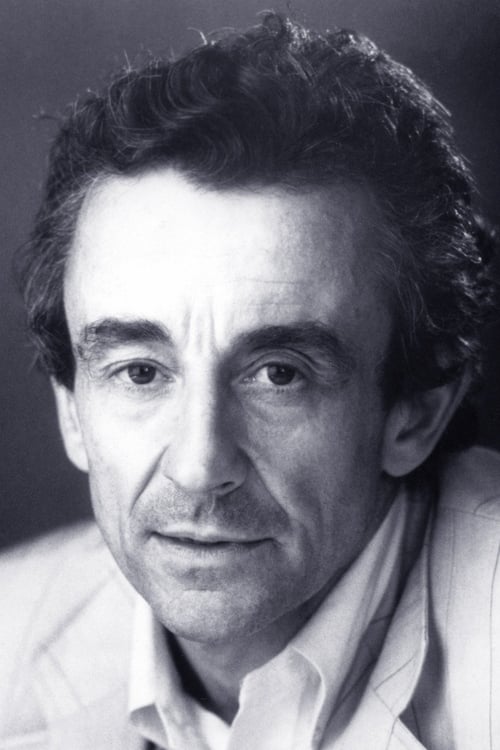
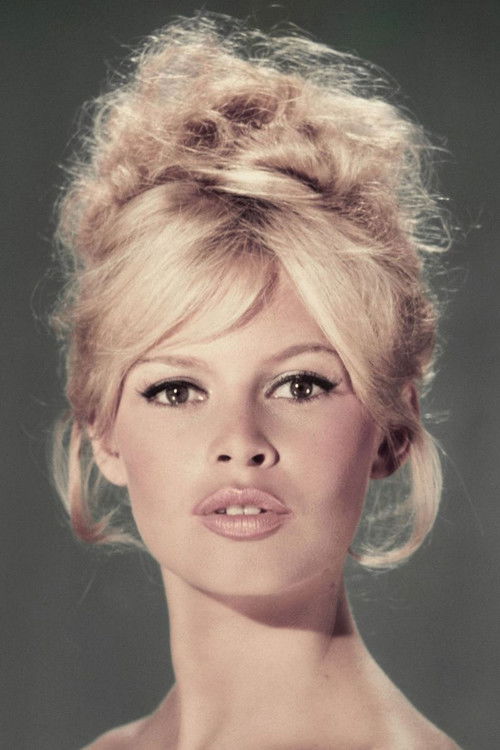
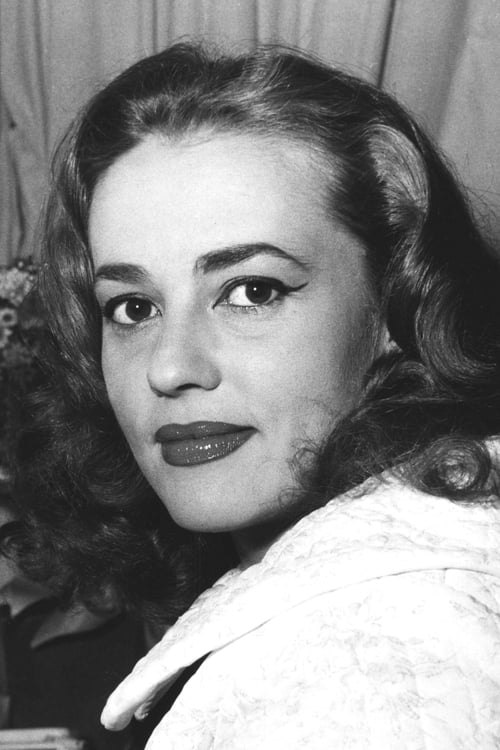
Time called it a "jaunty but slipshod farce"; "Having saddled himself with an idea that often seems too silly for words, Director Malle rides to the rescue with more anti-state, anti-church, antedated spoofery than he can gracefully handle. His rhythm is erratic, as though he were trying to make a movie in five or six different styles at the same time, none wholly his own. But even the deadly slow stretches are redeemed by cameraman Henri Decaë, whose breathtakingly sophisticated photography is a show in itself, imperceptibly shaded as the action moves from lush Rousseau tropics to the cabaret scenes that exude a smoky golden haze in which Moreau and Bardot appear like creatures of Lautrec or Degas, ineffably alluring." According to Variety, the film has "B.B. in her best form since And God Created Woman, and brilliantly matched by Jeanne Moreau. They are backed by a rollicking, comic adventure opus impeccably brought off by director Louis Malle."
In a mixed review, Penelope Houston of Sight and Sound wrote that "there are moments in the film when one might accuse Malle himself of belabouring a few dead horses—echoes of other films, debts to assorted directors which he has not been able fully to pay off in kind: to Ophuls, Renoir again for greasepaint and circuses, the American musical, the Marx Brothers", concluding, "But if there is ever any danger of the film actually melting away as one watches, Malle has his built-in double insurance: viva, in fact, Maria et Maria."
Filmink wrote the film "Vgoes for too long and is misshapen but is full of irreverence and good spirits, not to mention a liberated attitude to sex (the lead girls have passions and aren’t punished for following them) which help the film age well. Bardot is particularly bright and the two stars have an excellent rapport. Photography, costumes and production values are top notch."