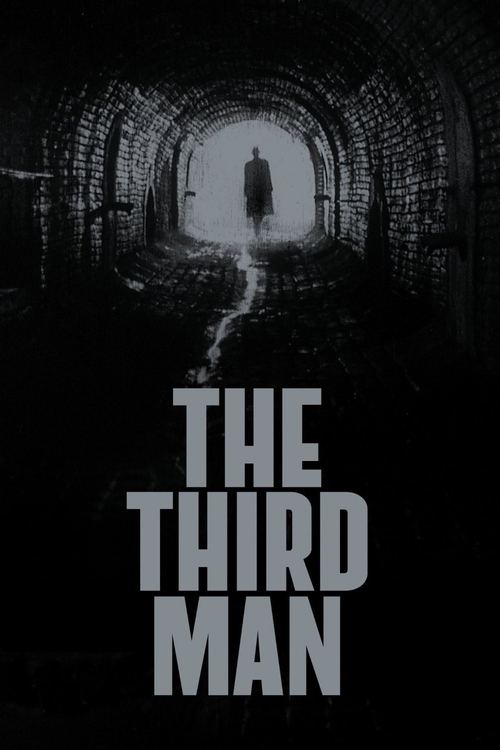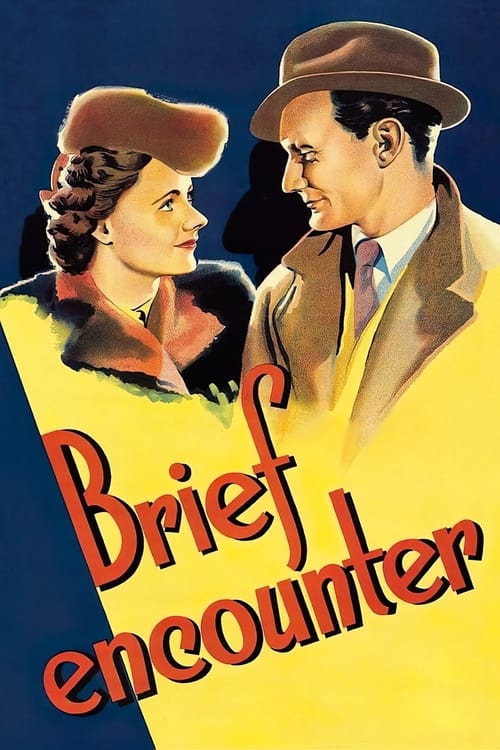




Trevor Wallace Howard-Smith (29 September 1913 – 7 January 1988) was an English stage and screen actor. After varied work in the theatre, he achieved leading man star status in the film Brief Encounter (1945), followed by The Third Man (1949), portraying what BFI Screenonline called "a new kind of male lead in British films: steady, middle-class, reassuring ... but also capable of suggesting neurosis under the tweedy demeanour."
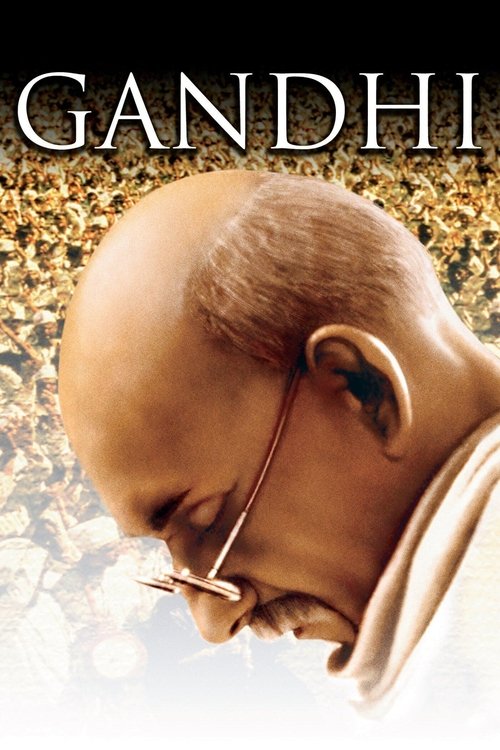
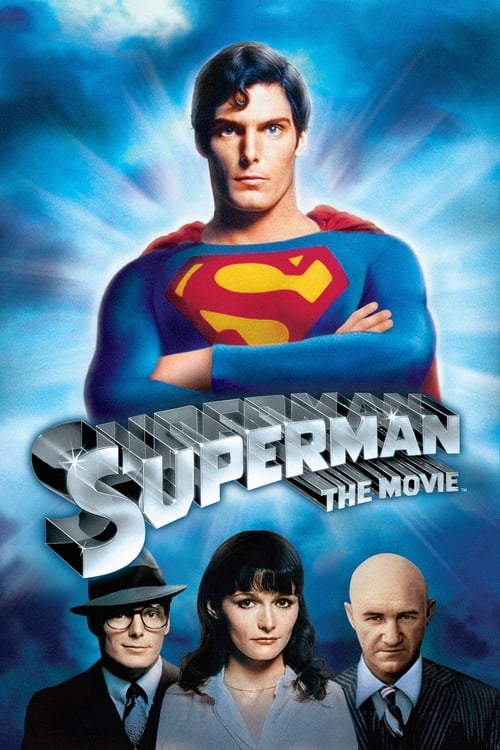
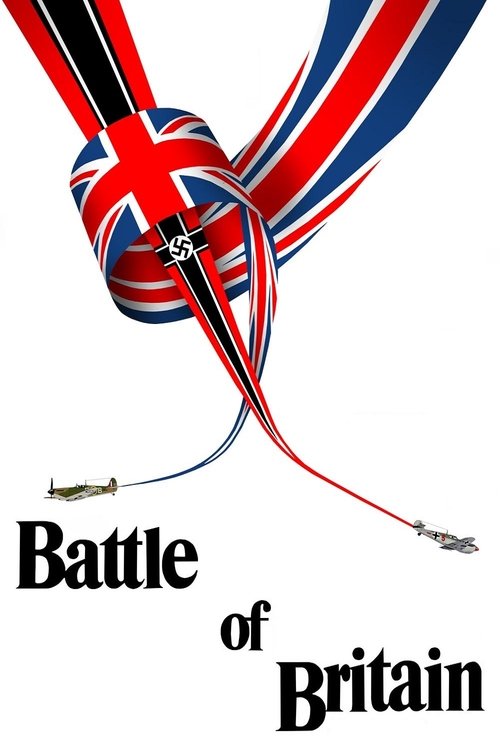
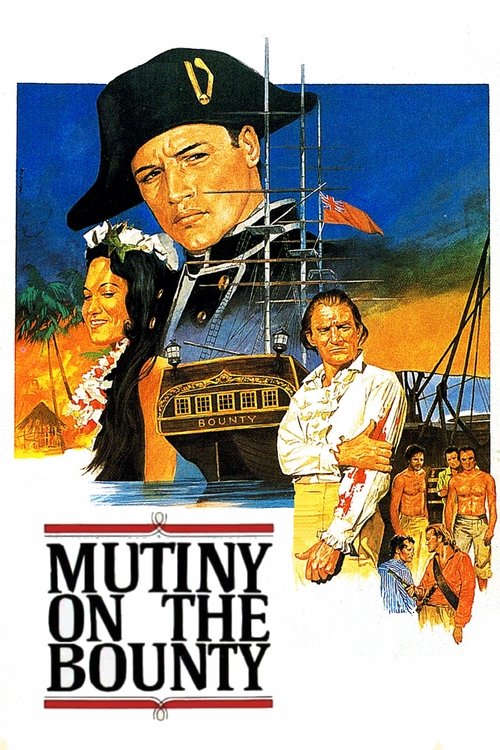
Howard was nominated for the BAFTA Award for Best Actor four times, winning for The Key (1958), and received a nomination for the Academy Award for Best Actor for his performance in Sons and Lovers (1960). His other notable film performances include Golden Salamander (1950), The Clouded Yellow (1951), Mutiny on the Bounty (1962), The Charge of the Light Brigade (1968), Battle of Britain (1969), Lola (1969), Ryan's Daughter (1970), Superman (1978), Gandhi (1982), and White Mischief (1987). He was also an Emmy Award recipient, and a three-time Golden Globe nominee.
Contents
Early life
Howard was born in Cliftonville, Kent, England the son of Mabel Grey (Wallace) and Arthur John Howard-Smith, an insurance agent. His parents married in 1909. Although Howard later claimed to have been born in 1916 (the year quoted by most reference sources) he was actually born in 1913 (which is supported by school and other records).
His father was an insurance underwriter for Lloyd's of London, serving as representative in Colombo, Ceylon and elsewhere; Trevor spent the first eight years of his life travelling around the world. He was educated at Clifton College(to which he left in his will a substantial legacy for a drama scholarship) and at the Royal Academy of Dramatic Art (RADA). In 1933, at the end of his first year, he was chosen as best actor in his class for his performance as Benedict in a school production of Much Ado About Nothing. While Howard was still studying, he made his professional debut at the Gate Theatre in Revolt in a Reformatory (1934).
When he left school he worked regularly on stage, including in Sheridan's The Rivals, several performances at Stratford-upon-Avon, and in a two-year run in the original production of French Without Tears.
Military service
Around 1945, journalists began to circulate stories stating that Howard had a courageous wartime service in the British Army's Royal Corps of Signals, which earned him much respect among fellow actors and fans. The police visited Howard, warning him that it was a crime to claim a medal under the Army Act, but Howard assured them he was not the source of the stories. In fact, he "did his best to dodge the call-up", and journalist Terrence Pettigrew, in his 2001 biography of Howard, recounted that files held in the Public Record Office revealed he was actually discharged from the British Army in 1943 for mental instability and having a "psychopathic personality", on account of having "lied about his background, from his schooldays onward ... determinedly".
Initially Howard's widow, actress Helen Cherry, denied this, but after being confronted with the official records, she said that Howard's mother had claimed he was a holder of the Military Cross, adding that her late husband had an honourable military record with "nothing to be ashamed of".
According to The London Gazette, Trevor Wallace Howard-Smith (247202) was commissioned into the South Staffordshire Regiment as a second lieutenant effective 3 October 1942; only to relinquish his commission "on account of "ill-health" on 2 October 1943. This contradicted the postwar stories that he had won the Military Cross and high promotion.
Career
After a theatrical role in The Recruiting Officer (1943), Howard began working in films with an uncredited part The Way Ahead (1944), directed by Carol Reed. He was in a big stage hit, A Soldier for Christmas (1944), and a production of Eugene O'Neill's Anna Christie (1944). Howard received his first film credit for The Way to the Stars (1945), playing a pilot.
Howard's performance in The Way Ahead came to the attention of David Lean, who was looking for someone to play the role of Alec in Brief Encounter (1945). Lean recommended him to Noël Coward, who agreed with the suggestion, and the success of the film launched Howard's film career.
He followed it with I See a Dark Stranger (1946) with Deborah Kerr, and Green for Danger (1947), starring Alastair Sim. Both films were successful as was They Made Me a Fugitive (1947). That year British exhibitors voted Howard the 10th most popular British star at the box office. So Well Remembered (1948) was made with American talent and money and was a hit in Britain but lost money overall. Howard was reunited with Lean for The Passionate Friends (1949), but the film was not a success.
In contrast, Carol Reed's The Third Man (1949, from a story by Graham Greene), in which Howard starred alongside Orson Welles and Joseph Cotten, was a huge international success, and became the film of which Howard was most proud. During the filming of The Third Man in Vienna, he visited a bar still wearing his British Army officer's uniform costume and, following an altercation, was detained for impersonation by the Royal Military Police. When identified, he was released without further ado.
Howard was the lead in Golden Salamander (1950) and played Peter Churchill in Odette (1950) with Anna Neagle, a big hit in Britain. It was directed by Herbert Wilcox who put Howard under contract. He loaned Howard to Betty Box and Ralph Thomas to make The Clouded Yellow (1950), a popular thriller with Jean Simmons. These films helped Howard be voted the 2nd biggest British star at the box office in 1950 and the 5th biggest (and eleventh bigger over-all) in 1951.
Howard was reunited with Carol Reed for Outcast of the Islands (1952) and he made a war film, Gift Horse (1952). That year he made his final appearance on the list of Britain's ten most popular actors, coming in at number nine. He was in another adaptation of a Graham Greene story, The Heart of the Matter (1953). Greene also wrote and produced Howard's next film, the British-Italian The Stranger's Hand (1954).
Final years
Howard appeared in some prestigious movies towards the end of his career: The Deadly Game (1982), The Missionary (1982), Gandhi (1982), George Washington (1984), Shaka Zulu (1986), Dust (1985), and Peter the Great (1986).
At the time of filming White Mischief (1988) on location in Kenya during 1987, Howard was seriously ill and suffering from alcoholism. The company wanted to sack him, but co-star Sarah Miles was determined that Howard's distinguished film career would not end that way. In an interview with Terence Pettigrew for his biography of Howard, Miles describes how she gave an ultimatum to the executives, threatening to quit the production if they got rid of him. His final film role was in The Dawning in 1988.
Throughout his film career Howard insisted that all his contracts include a clause excusing him from work whenever a cricket Test match was being played.
Howard recorded two Shakespeare performances, the first, recorded in the 1960s, was as Petruchio opposite Margaret Leighton's Kate in Caedmon Records' complete recording of The Taming of the Shrew; the second was in the title role of King Lear for the BBC World Service in 1986.
Personal life
He married stage and screen actress Helen Cherry.
A British government document leaked to the Sunday Times in 2003 showed that Howard was among almost 300 people to decline an official honour of the United Kingdom. He declined to be made a CBE in 1982.
Death
Howard died, aged 74, at his home in Arkley, Barnet on 7 January 1988. The cause of death was hepatic failure and cirrhosis of the liver.
Appearances
Television
Origins of the Mafia (1976 miniseries) as Don Consalvo Saccone
The Love Boat (1984 TV Series) as Sir Albert Demerest
George Washington (1984 miniseries) as Lord Fairfax
Shaka Zulu (1986–1989) as Lord Charles Somerset (final appearance)
Peter the Great (1986 TV series) as Sir Isaac Newton