Critical response
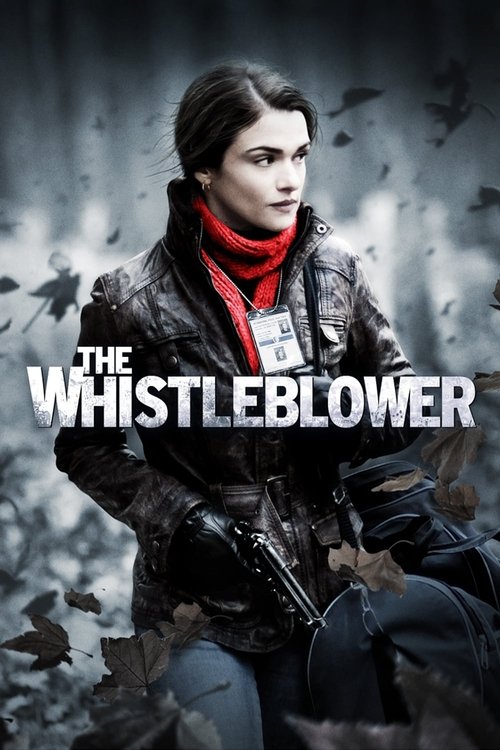
At the time of its theatrical release, The Whistleblower received mixed reviews. On review aggregator Rotten Tomatoes, the film holds an approval rating of 75% based on 120 reviews, with an average rating of 6.5/10; the website's critics consensus reads: "Rachel Weisz puts on a compelling smoldering act though the film suffers from a literal-minded approach to the material." Another aggregator, Metacritic, surveyed 31 critics and assessed 17 reviews as positive, 10 as mixed, and four as negative. Based on the reviews, it gave the film a score of 59 out of 100, which it said indicated "mixed or average reviews".
The Guardian's Ed Vulliamy called The Whistleblower "the most searing drama-documentary of recent years", and The Huffington Post's Marshall Fine said the story was "dark, grim, and harrowing". Doris Toumarkine of Film Journal International called the movie a "well-told but troubling story impressively wrapped for audiences who show up in theatres for do-good cinema of a high order". Leigh Paatsch of News.com.au said, "it is Bolkovac's ferocious will to right so many wrongs (expertly channelled by Weisz) that keeps you glued to the screen". Stephenie Foster of The Huffington Post gave the film a highly-favorable review: It's a compelling and maddening story, and reflects the complexity of how international institutions function and interact and the difficulty of accountability in a situation where people have immunity for their actions. But, it's also a story of gutsy people in tough and compromising situations making decisions that aren't in their personal best interest.
An equally positive review appeared in The Balkan Chronicle: Kondracki shows great promise with her direction. Pacing is tight for the most part, and the film feels well polished...The film is unsatisfying only in its conclusion. This is not the fault of the filmmakers who choose to stay true to Bolkovac's story. No one was ever brought to justice. A few of men were fired and sent home, but everyone had diplomatic immunity so no one ever faced criminal charges. Two million people worldwide are still being trafficked.
Allison Willmore of The A.V. Club gave The Whistleblower a negative review, criticizing the producers for making its antagonists one-dimensional: "There's no hint of the erosion of morality that led to this point." Peter Rainer of The Christian Science Monitor called the film's pace "frustratingly uneven", but commended the actors' performances: Condurache "makes Raya's fears tremblingly palpable". Stephen Holden of The New York Times wrote that the film "tells a story so repellent that it is almost beyond belief. Its conclusion—that in the moral quagmire of war and its aftermath, human trafficking and corruption are collateral damage—is unutterably depressing." He praised Weisz's performance as "the strongest element" of the production.
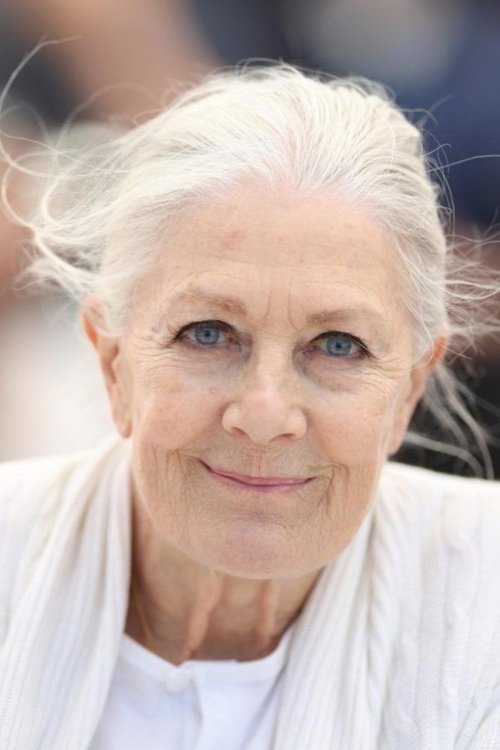
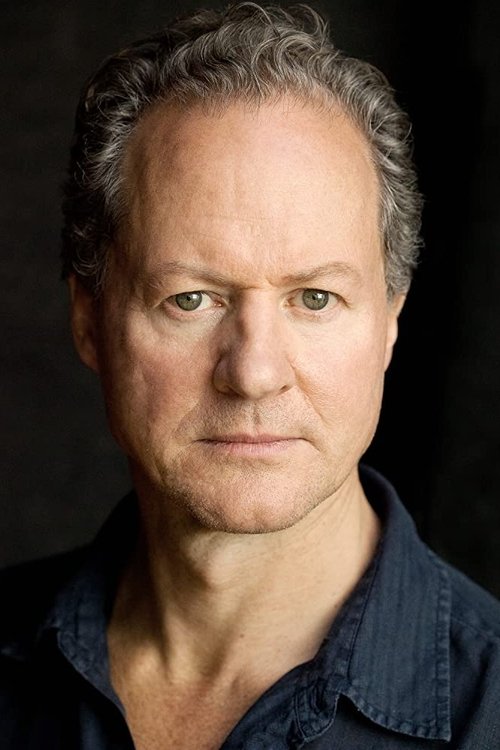
The actors' performances received overall praise from reviewers. Camerin Courtney of Christianity Today was dismayed that the main character engaged in a sexual relationship with a married man, but Weisz "is wonderful as Bolkovac, a no-nonsense civil servant who is stunned at what she walks into" while "Vanessa Redgrave is a needed touch of strength and warmth as her mentor Madeleine, and David Strathairn is at his government thriller best as Peter Ward, an Internal Affairs agent. Raya is heart-breaking as the young victim." Steve Rea of The Post and Courier praised Redgrave's acting in the supporting role of Madeleine Rees as "forceful, elegant, precise". Mick LaSalle of the San Francisco Chronicle said, "Weisz gives a psychologically astute performance as a woman who can't leave things alone." Rex Reed of Observer called her "superb" in the lead role.
Kondracki's graphic depiction of violence was controversial. Bob Mondello of NPR called it "sobering", but felt the scenes detracted from the film and should have been more subtle. Ryan Rojas of Tonight at the Movies described the film as "gritty and merciless", and cautioned that certain scenes might offend some viewers: "While the scenes do work as reinforcing the horror of the events, it really just made it obvious that the way that the director was going to win over fans was to simply shock them into numbness, as scenes showing rape, mutilation, and murder are shown in very disturbing fashion." Christian Hamaker of Crosswalk.com wrote: The film is almost unremittingly grim, which may seem appropriate for such a horrifying subject, but the effect on the viewer is that of being struck repeatedly with a sledgehammer. Sex trafficking is bad. Really bad! Did you get that, or do you need to watch a few more scenes of physical and sexual brutality? Don't worry: The Whistleblower has those aplenty. It takes brutality into the realm of gratuitousness, all in the name of showing the horrors of the issue it's addressing.
A review in The Balkan Chronicle, an Internet-based newspaper reporting from the Balkans, disagreed with the opinion that the violence was unnecessarily explicit or sensationalized: "Sugarcoating it would do no one any good. Grisly authenticity is one of the film's greatest aspects." Later, when Bolkovac spoke at a screening of the film in Bosnia, it was reported that her message was well-received and discussion about the events that occurred in the late 1990s "did not fail to engage and provoke".