




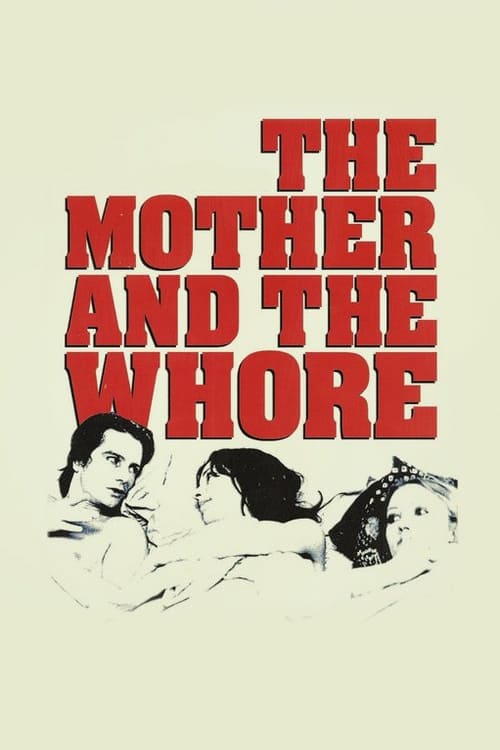

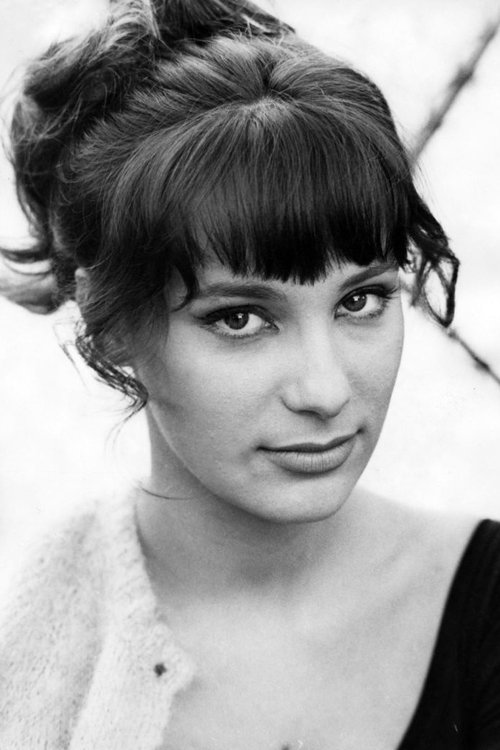
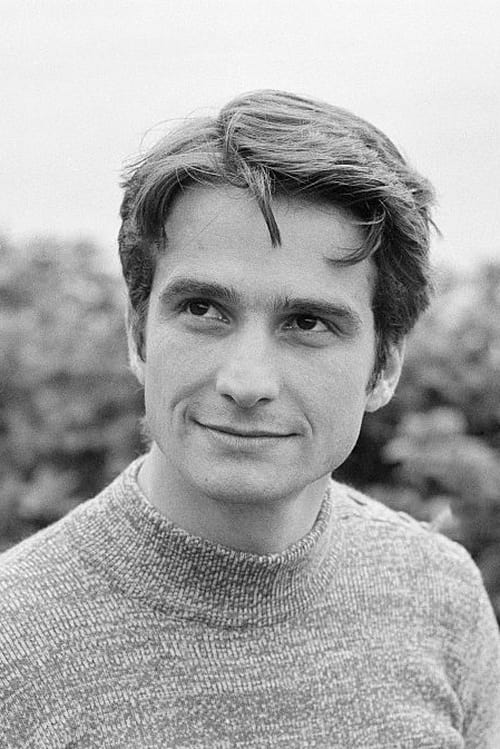
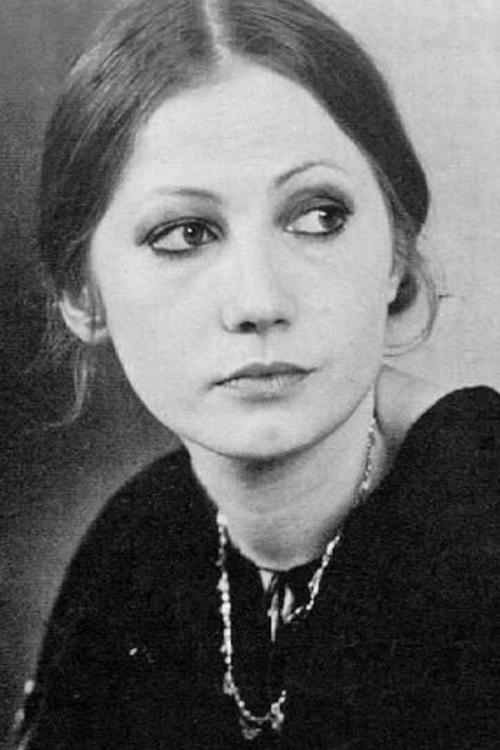


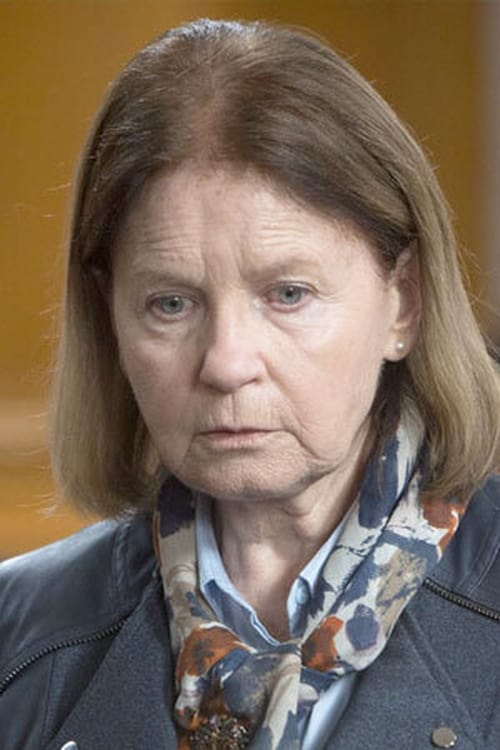
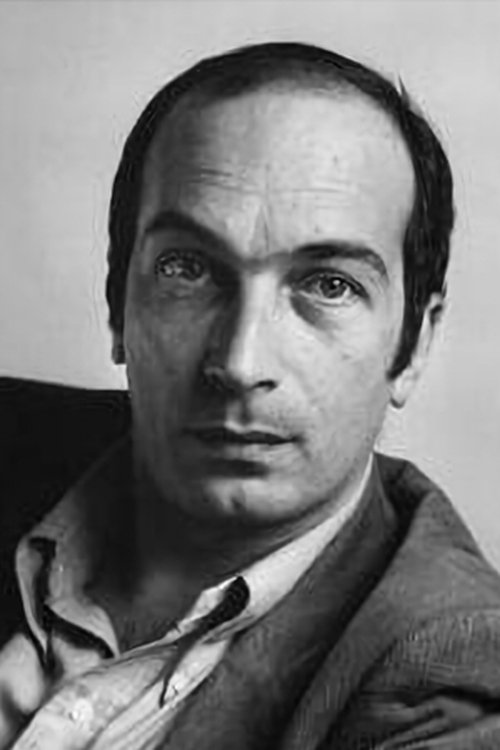
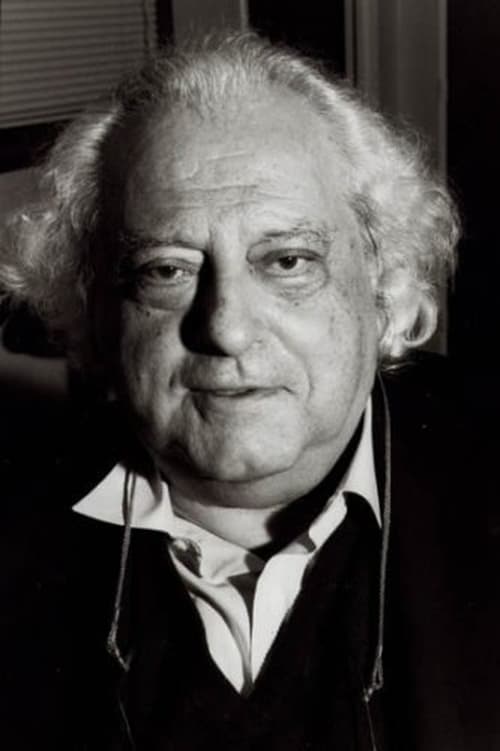
The Mother And The Whore (French: La Maman Et La Putain) is a 1973 French New Wave arthouse romantic drama film directed by Jean Eustache and starring Jean-Pierre Léaud, Bernadette Lafont and Françoise Lebrun. The story follows an examination of the relationships between three characters in a love triangle during the late 60s French society. It was Eustache's first feature film and is considered his masterpiece. Eustache wrote the screenplay drawing inspiration from his own relationships, and shot the film from May to July 1972. It is widely considered to be the very last expressive film made out of French New Wave movement.
The film screened at the 1973 Cannes Film Festival, where it won the Grand Prix. With some divided initial critical reaction, it has been championed as tremendous masterpiece by later critics, filmmakers and cinephiles.
Contents
Plot
Alexandre is an unemployed young intellectual, possibly a journalist, living a rudderless life in Paris. Subtly but entirely self-absorbed, Alexandre spends most of his days lecturing his companions on political and philosophical topics, including his opinions on contemporary films, such as The Working Class Goes to Heaven, and his memories of the May '68 protests. He lives with his lover, Marie, who works at a dress shop and responds to his continuous apathy towards her with angry invective that masks her deep feelings for him. When Alexandre attempts to persuade an ex-girlfriend, Gilberte, to marry him, she chooses instead to marry another man. Alexandre then heads to the popular Les Deux Magots café, where he gets the phone number of a woman leaving. The two eventually go on a date. Her name is Veronika, a Polish-French anaesthesia nurse who lives at the Hôpital Laennec. Priding herself on her promiscuity and her status as a liberated woman, Veronika makes advances towards Alexandre, eventually seducing him.


