Parenting and fatherhood
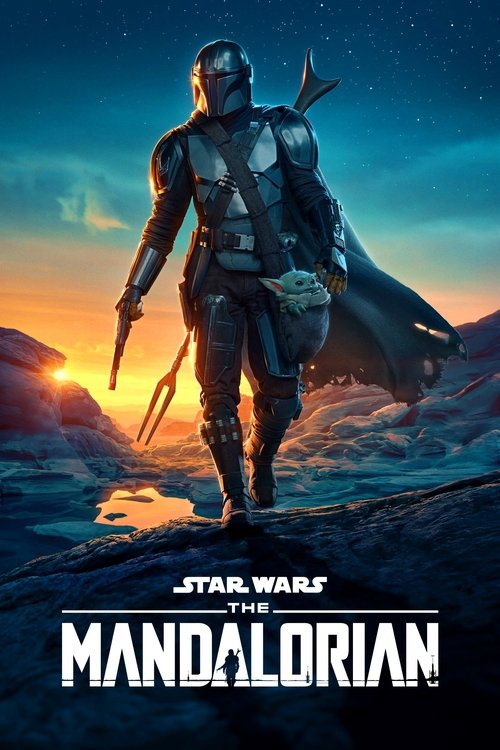
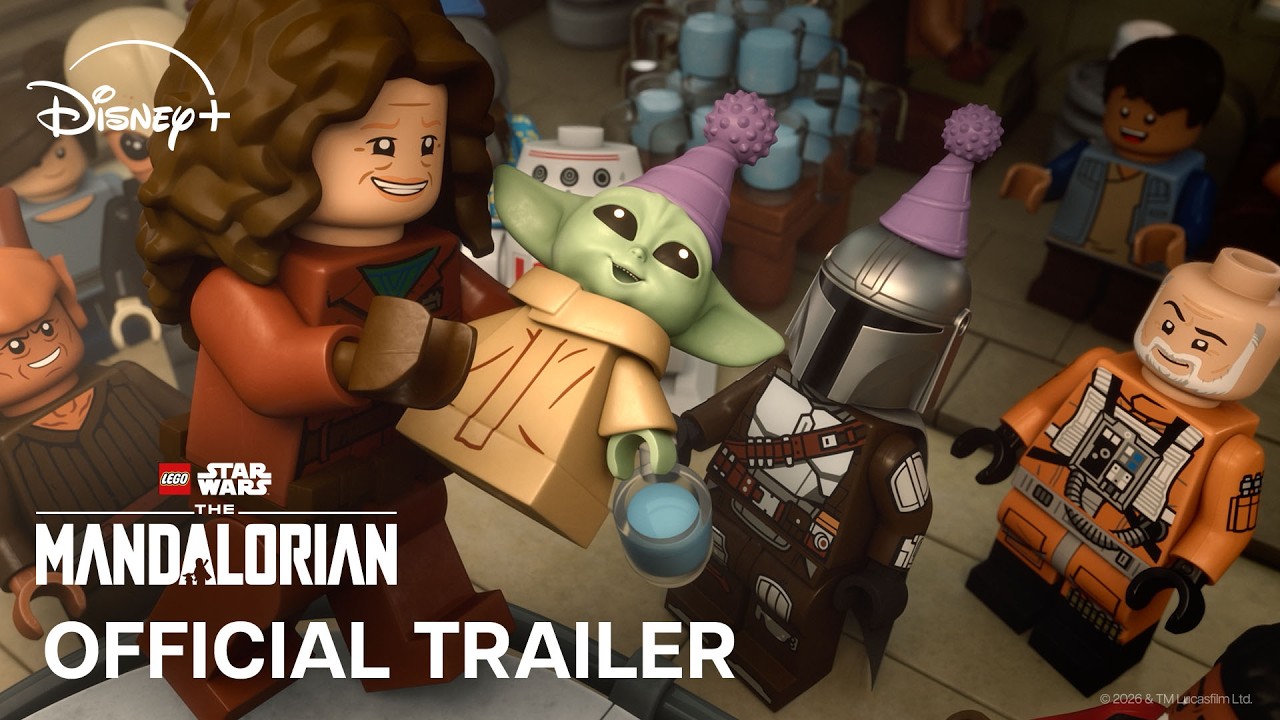
One of the primary themes of The Mandalorian is parenting and fatherhood, particularly through the father–son relationship dynamic between Din Djarin and the Child. Ryan Britt of Fatherly wrote that this is unusual in Star Wars stories and that past examples of parenting in the franchise have tended to be poor ones, from the murderous Darth Vader, father of Luke Skywalker, to the neglectful Galen Erso, father of Jyn Erso in Rogue One (2016). Britt wrote: "For years the Star Wars franchise avoided depicting a parent-child dynamic. With Mando and Baby Yoda, that's finally changing." The dynamic between Kuiil and IG-11 also reflect the childrearing theme in The Mandalorian. The two have a relationship similar to that of a father and son, as demonstrated in the scene in which Kuiil teaches IG-11 how to operate and function after the droid is reprogrammed.
Vulture writer Kathryn VanArendonk argued that parenting has been the subject of past Star Wars stories, but almost always during later stages of parenthood, rather than an infant in early stages such as the Child. As examples, she cited Obi-Wan Kenobi serving as a mentor to the adolescent Anakin Skywalker, Princess Leia lamenting over her grown son Kylo Ren, or the absence of Rey's parents. Britt argued strong parental examples in Star Wars are important because the franchise is so often associated with the childhoods of its fans. The Mandalorian particularly highlights the challenges of being a single parent and a working parent since the Mandalorian struggles to continue his day job as a bounty hunter and mercenary while serving as the sole caretaker of the Child. Richard Newby of The Hollywood Reporter described the show as "the adventures of a single dad looking for a job". Several reviewers have compared the dynamic between the Child and the Mandalorian to Lone Wolf and Cub, a manga about a samurai warrior and his young son. Favreau acknowledged Lone Wolf and Cub as an influence in an episode of Disney Gallery: The Mandalorian.
The Mandalorian's parental role in the series makes him a softer and more relatable character; he changes in a positive way because of raising the Child, becoming less selfish and self-absorbed. He risked his life and drastically changed his career as a bounty hunter to accept his responsibility as the Child's caretaker and guardian, marking a significant parental sacrifice. When the Mandalorian seeks work to earn money, he is now doing so to provide not only for himself, but for the Child as well. We see several examples of the Mandalorian parenting the Child throughout the series, such as when he stops the Child from pressing random buttons in the cockpit of the Mandalorian's spaceship, ultimately by holding him in his lap. In another example, the Mandalorian establishes a car seat for the Child in the cockpit of his ship, so he can be seated safely and comfortably during their travels.
The relationship between the Mandalorian and the Child is an example of unexpected fatherhood. The Mandalorian feels a connection and parental bond with the Child because of his childhood, when he was orphaned upon the death of his parents and was adopted by the Mandalorian culture as a "foundling". Nevertheless, fatherhood is not a role the Mandalorian initially seeks, and he makes repeated initial attempts to avoid this responsibility. He first does so in "Chapter 3: The Sin", when he first leaves the Child with the Client. He does so again in "Chapter 4: Sanctuary" when he plans to leave the Child with Omera, a protective mother on the planet Sorgan, who is willing to take the Child into her own family. The Mandalorian does not fully commit to the role of fatherhood until the first-season finale, "Chapter 8: Redemption" when the Child himself is also adopted into the Mandalorian culture as a "foundling" and the Mandalorian is formally declared to be his father figure. He nonetheless continues to search for what he feels may be a more appropriate guardian for the Child, as in the second season's fifth episode, "The Jedi", in which he seeks to leave him with Ahsoka Tano.
Several writers suggested the fact that the Mandalorian's face is concealed has a tabula rasa effect and his anonymity allows viewers to see and imagine themselves as parents. Britt said this "allow(s) us to dream about what arsenal we might deploy to protect our children". However, Singer said the show's setting in space make the challenges of child-rearing seem more exciting and exotic than they might otherwise be. Anthony Breznican of Vanity Fair has noted that none of the day-to-day difficulties of parenthood are portrayed in the series: "There is no shrill squawking from Baby Yoda, no tantrum, no spit-up, no uncontrollable shrieking that burrows into a parent's psyche like a dentist's drill shredding a soft, pink nerve." Likewise, Vulture writer Kathryn VanArendonk said the show ignores or does not address many parenting details that make fatherhood difficult, such as what the Child eats, when he goes to sleep, and whether he wears diapers. She wrote: "The Mandalorian is uninterested in diapers, and so Mando gets to be a very particular image of fatherhood: the guy who doesn't have to sweat the small stuff." VanAnderonk described this as a wish fulfillment fantasy for parents or prospective parents: "a vision of parenting stripped so thoroughly of all detail and specificity that all that's left are archetypes: the parent, the child".
The Child encounters a handful of other protector figures throughout the first season, including Omera, IG-11, and Peli Motto. Some observers have criticized the series for the fact that the Mandalorian repeatedly leaves the Child alone or in the hands of relative strangers, as well as for making decisions that place the Child in danger. One example is in "Chapter 6: The Prisoner", when he allows a team of dangerous mercenaries to use his ship while the Child is on board, nearly resulting in the Child's death. An interaction the Mandalorian has with Peli Motto in "Chapter 5: The Gunslinger" is one of the most overt discussions about the challenges of caring for the Child. When the Mandalorian accidentally wakes the child, who had been sleeping in Peli's arms, she chides him: "Do you have any idea how long it took me to get it to sleep?" She also condemns the Mandalorian for leaving the child alone on the ship, saying: "you have an awful lot to learn about raising a young one". ScreenCrush writer Matt Singer argued the Mandalorian's parenting errors makes the show that much more appealing because making mistakes is a large part of being a parent. Eileen Chase of Today echoed this: "He is not an ideal parent, just like the rest of us who have to balance parenting and work."