Production history
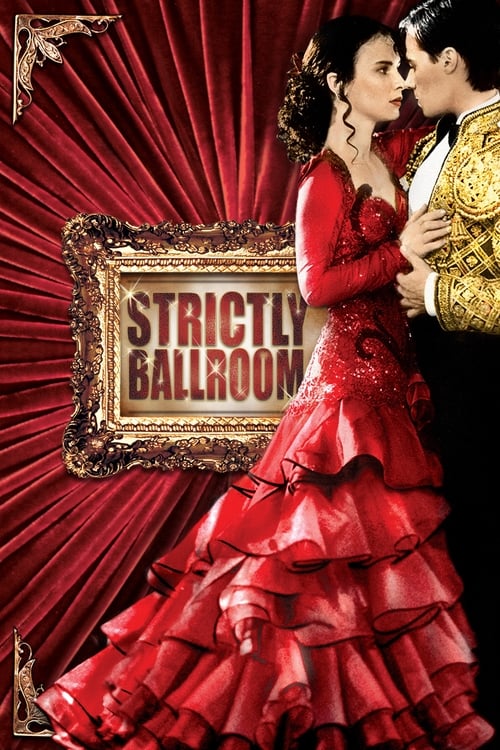
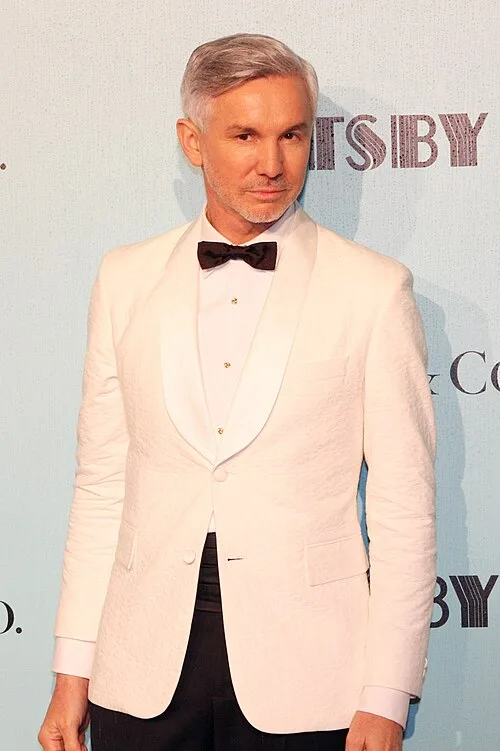
The film version of Strictly Ballroom was developed from an original short play of the same name. It drew on Luhrmann's own life experience—he had studied ballroom dancing as a child and his mother worked as a ballroom dance teacher in his teens and inspired by the life of Keith Bain (who grew up in the same town as Luhrmann). While studying at NIDA in the early 1980s, Luhrmann and a group of fellow students (including Catherine McClements, Sonia Todd and Nell Schofield) devised a short comedy-drama set in the cutthroat world of competitive ballroom dancing. This original 1984 NIDA production was a critical success and, after graduating, Luhrmann was invited to re-stage the play for the Czechoslovak Youth Drama Festival in Bratislava in 1986. He invited his school friend Craig Pearce to help him rewrite and expand the script. With its themes of artistic repression and underdogs battling against the odds, the play was a success at the festival, winning both the best director and best production awards.
This led Luhrmann to direct more theatre productions back in Australia, and in 1988, as part of the Australian Bicentenary celebrations, the Sydney Theatre Company invited him to establish an experimental theatre ensemble, Six Years Old, which took up a residency at The Wharf Theatre for that year. Alongside Luhrmann and Pearce, the new company included one of the original NIDA collaborators, actor Catherine McClements, plus production designer Catherine Martin (whom Luhrmann subsequently married), set dresser Bill Marron and costume designer Angus Strathie, all of whom went on to collaborate with Luhrmann on his films. The group work-shopped the expanded version of the play, which had a trial season at the Brisbane Expo in 1988 before opening at the Wharf Studios on 24 September 1988.
During its successful run at the Wharf, the play was seen by an influential Australian music executive. Ted Albert was a leading record producer and music publisher, best known in Australia as the discoverer and original producer of 1960s pop sensations The Easybeats. By the time he saw Strictly Ballroom, Albert was the managing director of his family-owned music publishing company Albert Music (formerly J. Albert & Sons) and its subsidiary, the highly successful record label Albert Productions, which scored a string of hits in the 1970s and 1980s with acts including John Paul Young and AC/DC.
Albert's wife Antoinette (known as "Popsy") took him to see the play after seeing a newspaper ad; they loved the energy, colour and musicality of the play and Ted Albert immediately saw the potential to develop the play into a film using the musical resources available to him through Alberts' publishing and recording enterprises. Soon after, Ted set up the film production company M&A Productions with ex-Film Australia producer Tristram Miall; they tracked Luhrmann down through NIDA and approached him with the offer to transform his play into a movie. In its early stages, with the involvement of writer Andrew Bovell, the script took a more serious tone, including a subplot set around the trade union at the BHP Newcastle Steelworks. Luhrmann balked at the move towards naturalism and eventually, with Albert's agreement, the director brought in his old friend Craig Pearce, who was able to translate Luhrmann's theatrical vision into a workable screenplay.
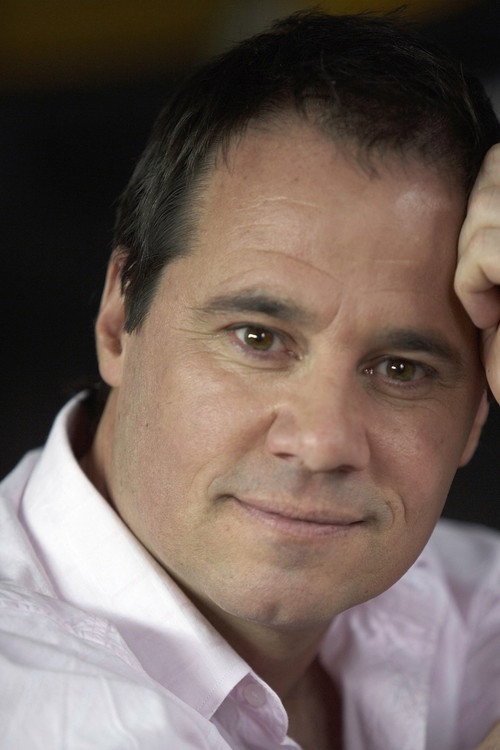
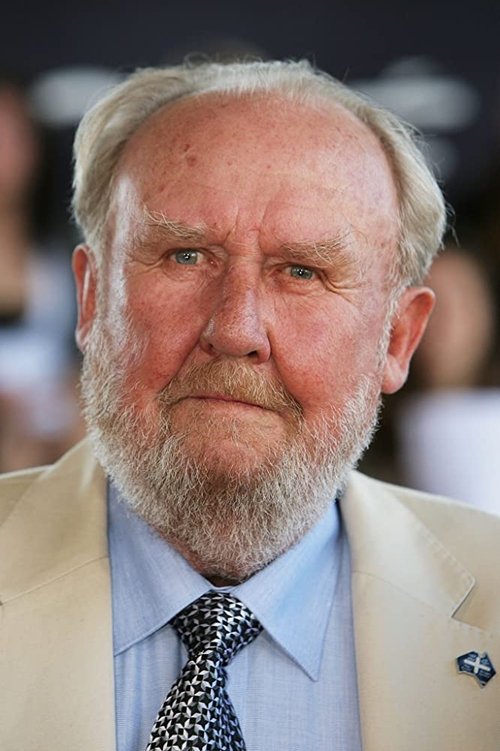
The producers had difficulty in securing funding for the project, which mostly featured a cast of newcomers. The only "bankable names" in the cast were Barry Otto and screen veteran Bill Hunter, and although co-star Paul Mercurio was well known as a dancer through his work with the Sydney Dance Company, Strictly Ballroom was his first acting role. With the original budget set at over AUD 5 million, government film funding bodies were reluctant to back such a left-field project with few major names in the credits. The script was then pared back and the subplot dropped, but when Miall approached the Film Finance Corporation, he was told that they would not back such a high-budget film (in Australian terms) with a first-time director. He was told to replace Luhrmann, but he refused, promising to make further cuts. Miall and Albert then pared the budget down to AUD 3.3 million and the FFA then agreed to provide around 65%, on condition that the producers were able to raise the remaining AUD 1 million and secure a local distributor. They sent Luhrmann to the Cannes Film Festival in hopes of finding an overseas distributor, but this came to nothing. After returning to Australia, Miall and Luhrmann had a fortuitous meeting with Andrew Pike, head of the Canberra-based independent distribution company Ronin Films. Intrigued by Luhrmann's colourful pitch which involved sketches, set miniatures and pieces of costume, Pike agreed to back a limited local release, although he later admitted that, had he seen only the script, he would probably have turned it down.
Although the FFC funding was now in the pipeline, the production faced its most serious challenge when, on 11 November 1990, Ted Albert died suddenly from a heart attack (the film is dedicated to him). This threw the entire project into doubt, but Ted Albert's widow Popsy decided that it should go to completion in honour of her husband, so she took over as executive producer, with Miall as producer. With her blessing, Ted's family company Albert Music invested AUD 1 million, with the remaining AUD 300,000 sourced from private investors. Even after completion, the team were greeted with stiff resistance from exhibitors: Luhrmann recalled that one exhibitor walked out before the film had even finished, declaring that Luhrmann was ruined and that he would never work again.
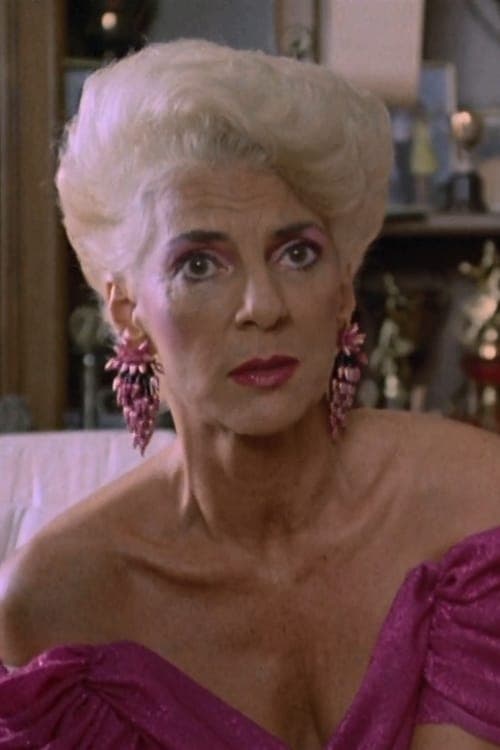
The film was accepted for the Cannes Film Festival, but another tragedy struck just before its first screening—actress Pat Thomson, who played Scott's mother, was diagnosed with cancer and she died on April 18, 1992, only one month before its Cannes world premiere in May. Strictly Ballroom had its first public screening at midnight in the Un Certain Regard programme and proved to be an instant hit—the cast and crew received a fifteen-minute standing ovation, which was repeated the following night; it became one of the major hits of the festival, winning the Prix De Jeunesse and triggering a bidding war among international distributors. A deal was later struck for Miramax to theatrically release the film in the United States on February 12, 1993, with the film having earlier screened at the New York International Film Festival on September 26, 1992.