Reception
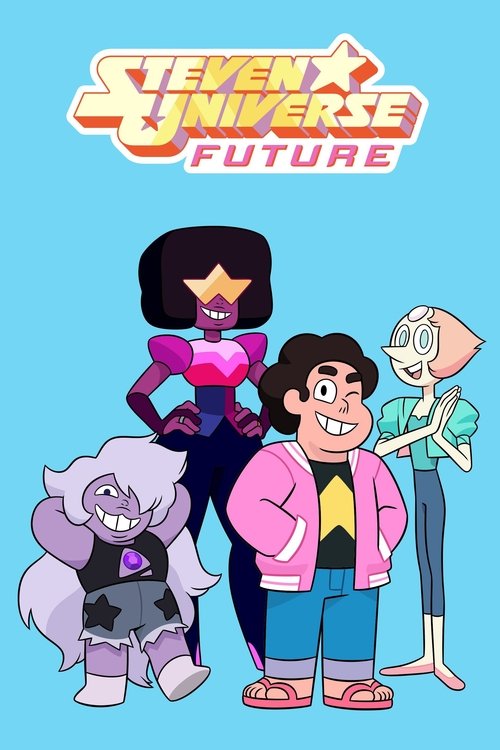
Steven Universe Future has been acclaimed by critics. Like the original series and Steven Universe: The Movie, the characterization, themes, animation, voice acting, music, and LGBT representation have been widely praised; Future in particular is praised for its new ways of exploring previously developed themes (in particular Steven's dedication to solve other characters' problems), and its unconventional choice of focusing on the smaller-scale aftermath of the main storyline. Reviewers have pointed out that it addresses issues several fans and reviewers had with the original series, such as its perceived tendency to solve characters' problems in overly simple ways and to redeem all antagonists.
Caroline Cao of /Film called Steven Universe Future "a messy and beautiful tale of trauma, healing, and survival", stating: "Sugar and her team are the greatest visual maximalists in animation, pushing imageries to their most emotional and thematic extremes—particularly through the inventiveness of the flexible Fusion metaphor—and unraveling difficult revelations about surviving trauma." She praised the exploration of Steven's tendency to help other people with their problems, claiming that "Steven faces the reoccurring lesson of 'biting more than you can chew.' Steven wants to heal everyone, anything, but falls short, and even unleashes destruction at times. As Future moves forward, Steven will contend with his own management of the new world order he has created, and his mother's past will continue to haunt his future. Then there's the matter of Steven's newest Gem power that manifests through his rage and insecurities. Steven Universe Future is on a roll in delivering hard and relevant messages about victimhood and survivorhood solidarity. There are kids and adults alike who need someone to tell them 'I'm sorry for not believing you'."
The Mary Sue labeled Steven Universe Future "fantastic", praising "the amazing storytelling" and the "beautiful" animation. Reuben Baron of CBR praised the series for "challenging Steven's savior mentality", stating that the first four episodes were "developing a clear thematic throughline. Picking up the loose ends from the original series, it's working to address criticisms of Steven as a character without betraying the show's essential ethos." In his review of the episode "Bluebird", Shamus Kelley of Den of Geek stated that Future "finally addressed something of a complaint many had towards the series. As much as Steven Universe is all about love being the answer and Steven trying to be friends with everyone, there's still a nagging sense that it's all a bit... simple. Obviously what Steven and the Crystal Gems is incredibly taxing [sic] but the end result just being everyone is mostly friends? That's fairly unrealistic [...] So the fact that Aquamarine and Eyeball Ruby just flat out hate him? It's an acknowledgement, one that show takes it time to make explicit, that not everyone wants to change. Not everyone is down for learning to love and be friends".
Charles Pulliam-Moore of Gizmodo heavily praised Steven Universe Future for further establishing Pink Diamond/Rose Quartz as "the villain of the decade", stating "When Steven Universe Future reveals exactly how Volleyball, the Pink Pearl, got her cracked face, the series is cluing viewers into the specific reasons why the other Diamonds were reluctant to give Pink what she wanted. It wasn't just that she was inexperienced, but rather she was inexperienced, dangerous, and all too capable of letting her powers run wild in ways that would actively harm others. [...] You see just how Not Over™ Pink basically all of the Gems still are. Pink's legacy is one of the lasting, seemingly unending sadness that the other Gems are attempting to work through. The majority of them don't feel much ill will toward her, but she's still hurting them in ways that only the dead and dearly missed can. There are Gems like Spinel who have all the reasons in the galaxy to hate Pink, but that's not really where any of the people in the series are coming from. Rather, everyone's in different stages of mourning and not a single one of them can really be sure if and when the pain they're dealing with is going to go away."
The introduction of Shep, a non-binary character who appears in the episode "Little Graduation" and is played by non-binary actor Indya Moore, received attention from various outlets. The Mary Sue stated that with Future, Steven Universe "continues to be one of the most wonderfully diverse shows on television. We got to see in 'Little Graduation' a new human character named Shep—who is non-binary and voiced by a non-binary voice actor, Pose's Indya Moore—canonically queer couples, and one of them being a brown-skinned person!". /Film stated about the episode "Little Graduation": "what a fine way to wrap up 2019 by pushing the bar for queer representation through the introduction of the loveably chill Shep [...] They pop as the sort of character who has earned a Fan Favorite Title. Despite knowing the titular character for an hour, Shep participates in the proceedings by cooling down Steven."
100% of 7 critic reviews compiled by review aggregator website Rotten Tomatoes are positive, and the average rating is 10/10.