Southeast Asian haze.
Regular large scale fire-related air pollution problems that occurs in Southeast Asia
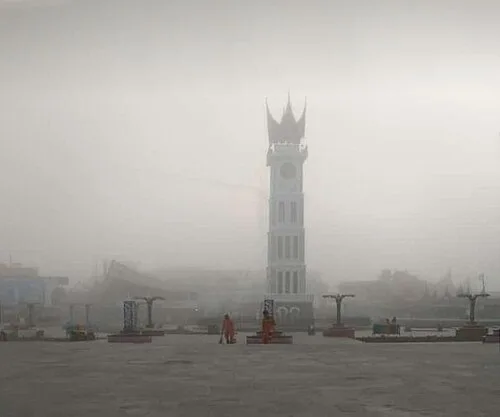
Indonesia’s Worst Wildfires Since 2015 Spread Regional Haze
Indonesia is facing its worst wildfire season since 2015, as El Niño-driven drought and damaged peatlands fuel fires that have produced hazardous air pollution, widespread respiratory illness and disruption across the country. Smoke has spread to neighboring countries, prompting school closures, while Indonesian officials say they will restore degraded peatlands and Singapore is weighing penalties against companies responsible for the haze.
World · 8 sources · 7hRead itThe journal
Open the journal →The conversation starts in the journal — be the first to post.
About Southeast Asian haze
The Southeast Asian haze is a fire-related recurrent transboundary air pollution issue. Haze events, where air quality reaches hazardous levels due to high concentrations of airborne particulate matter from burning biomass, have caused adverse health, environmental and economic impacts in several countries in Southeast Asia. Caused primarily by slash-and-burn land clearing, the problem flares up every dry season to varying degrees and generally is worst between July and October and during El Niño events. Transboundary haze in Southeast Asia has been recorded since 1972 with the 1997 and 2015 events being particularly severe.
Everything about Southeast Asian haze →