Development and writing
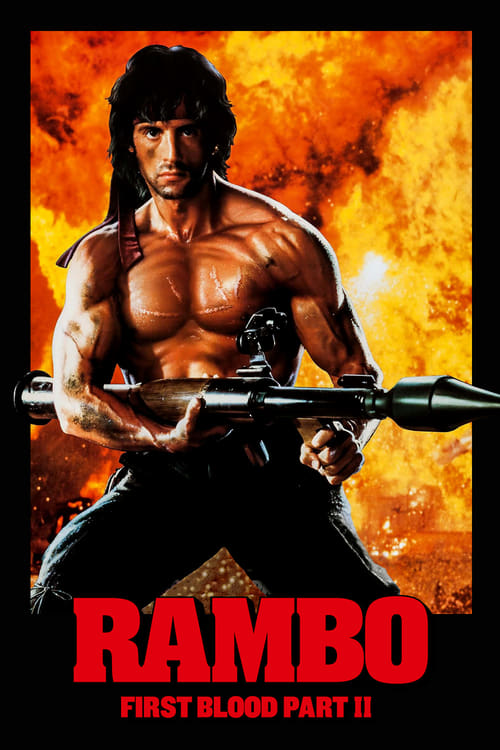
Development of a sequel to First Blood began when Carolco Pictures sold foreign distribution rights to distributors in Europe and Japan in 1983, initially scheduling the film for a December 1984 release. It was later rescheduled for August 1, 1985.
Then up-and-coming screenwriter Kevin Jarre had written a story treatment that was liked by both the producers and Sylvester Stallone. Jarre later recalled in an interview in the documentary Tinsel – The Lost Movie About Hollywood:I wrote the first draft of Rambo: First Blood Part II. And I just did it, I was living on dog food at the time and I, you know, I needed a gig and I wanted to finish a spec script I was writing. And you know, they called, Stallone called me in and they had this idea about what they should do in the sequel to First Blood and I said, "Well, how about if maybe he searches for POWs in Southeast Asia and back in Vietnam?" He said, "Great, let's do it."
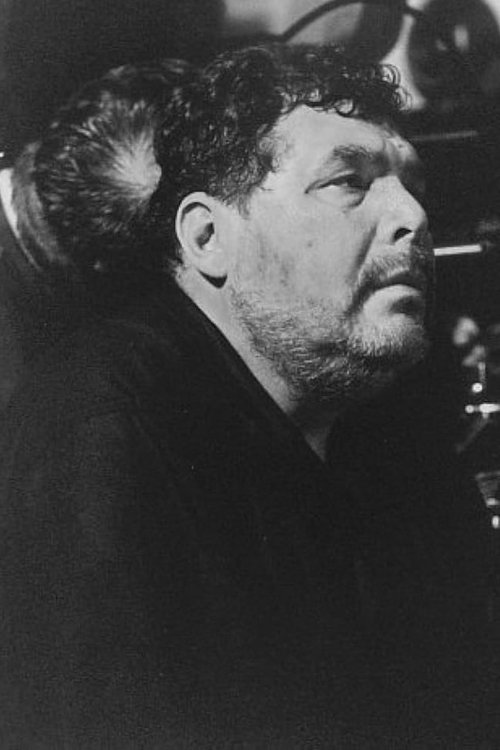
Despite this, the film has many similarities both in script and in directing style with Ted Kotcheff's Uncommon Valor, which was also produced by Buzz Feitshans.
James Cameron was then hired to write a first draft of the screenplay, which he was concurrently writing along with The Terminator and Aliens, both of which he would go on to direct. Cameron had been recommended by David Giler, who did some uncredited script work on the first film. Cameron's first draft was titled First Blood II: The Mission. According to Cameron, his script had the same basic structure of the first film, but was more violent than its predecessor. Cameron was quoted in an October 1986 issue of Monsterland magazine: "It was quite a different film from First Blood, apart from the continuation of the Rambo character. The first one was set in a small town, it had a different social consciousness from the second one, which was a very broad, stylized adventure. It was a little more violent in its execution than I had in mind in the writing."
Following Cameron's initial draft, Stallone took over scriptwriting duties, creating a final draft. Jarre received sole story credit, while Stallone and Cameron were credited for the screenplay.
Jarre would defensively say that almost nothing of his original treatment ended up in the final script, while Cameron would comment that he only wrote the action and that Stallone wrote the politics.
In a December 2006 Q&A with Ain't It Cool News, Stallone recalled: I think that James Cameron is a brilliant talent, but I thought the politics were important, such as a right-wing stance coming from Trautman and his nemesis, Murdock, contrasted by Rambo's obvious neutrality, which I believe is explained in Rambo's final speech. I realize his speech at the end may have caused millions of viewers to burst veins in their eyeballs by rolling them excessively, but the sentiment stated was conveyed to me by many veterans. ... [Also] in his original draft it took nearly 30–40 pages to have any action initiated and Rambo was partnered with a tech-y sidekick. So it was more than just politics that were put into the script. There was also a simpler story line. If James Cameron says anything more than that, then he realizes he's now doing the backstroke badly in a pool of lies.
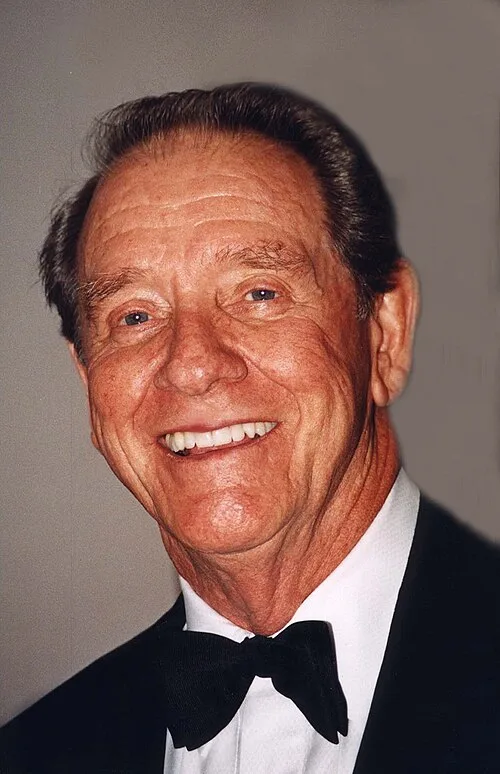
Producers wanted Rambo to have a partner for the POW rescue mission. They wanted John Travolta to play Rambo's sidekick, but Stallone vetoed the idea. Lee Marvin (who had been considered for the role of Colonel Trautman in the first film) was offered the role of Marshall Roger Murdock, but declined, and the role was given to Charles Napier.
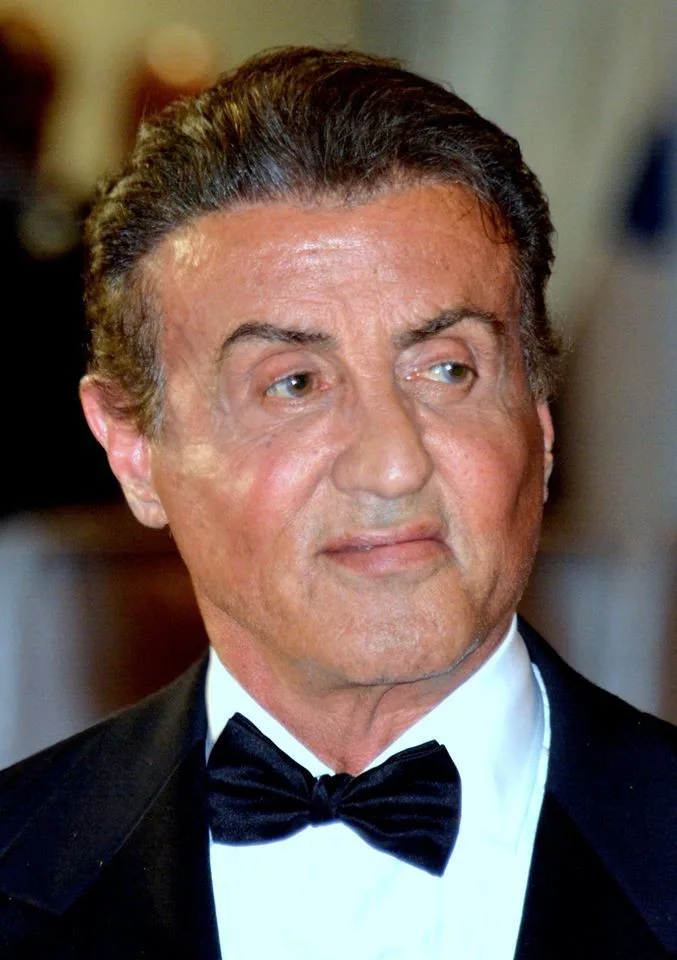
Before filming started, Stallone went through torturous trainings to build the perfect musculature. Writer David J. Moore said in the 2019 documentary film In Search of the Last Action Heroes: "Here's a guy who went against the grain in everything that he ever did. Here's a guy who transformed himself, literally; he chiseled his own body into this statuesque, muscular specimen."