








Sir Peter Alexander Ustinov ( OO-stin-ov; 16 April 1921 – 28 March 2004) was a British actor, writer and humanitarian. An internationally known raconteur, he was a fixture on television talk shows and lecture circuits for much of his career. Ustinov received numerous accolades including two Academy Awards, three Primetime Emmy Awards, a Golden Globe Award, a Silver Bear, a Laurel Award, a Photoplay Award and a Grammy Award, as well as nominations for three BAFTA Awards, two Tony Awards, two Laurence Olivier Awards and a Gemini Award. In 1992, Ustinov was awarded with the British Academy Britannia Award.
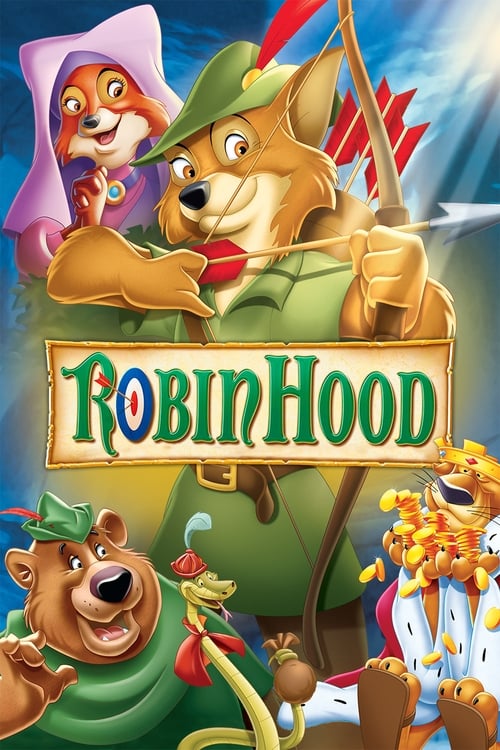
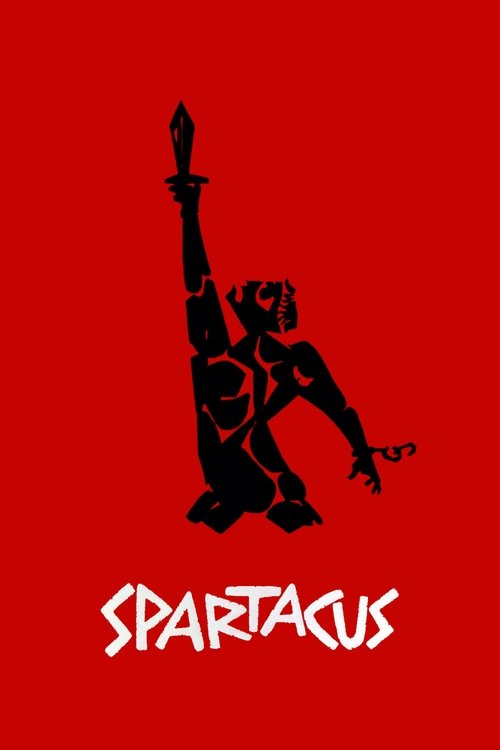
Ustinov received two Academy Awards for Best Supporting Actor for his roles in Spartacus (1960), and Topkapi (1964). He also starred in notable films such as Quo Vadis (1951), The Sundowners (1960), Billy Budd (1962), and Hot Millions (1968). He voiced Prince John and King Richard in the Walt Disney Animated film Robin Hood (1973), and portrayed Agatha Christie's fictional detective Hercule Poirot six times for both film and television.
Ustinov also displayed a unique cultural versatility which frequently earned him the accolade of a Renaissance man. Miklós Rózsa, composer of the music for Quo Vadis and of numerous concert works, dedicated his String Quartet No. 1, Op. 22 (1950) to Ustinov.
An intellectual and diplomat, Ustinov held various academic posts, and served as a goodwill ambassador for UNICEF and president of the World Federalist Movement (WFM). In 2003, Durham University changed the name of its Graduate Society to Ustinov College, in honour of the significant contributions Ustinov had made as chancellor of the university from 1992 until his death.
Contents
Early life and education
Peter Alexander Freiherr von Ustinov was born on 16 April 1921 at 45 Belsize Park, London. His father, Jona Freiherr von Ustinov, was of Russian, German, Polish, Ethiopian, and Jewish descent. Ustinov's paternal grandfather was Baron Plato von Ustinov, a Russian nobleman, and his grandmother was Magdalena Hall, of mixed German-Ethiopian-Jewish origin. Ustinov's great-grandfather Moritz Hall, a Jewish refugee from Kraków and later a Christian convert and colleague of Swiss and German missionaries in Ethiopia, married into a German-Ethiopian family.
Ustinov's paternal great-great-grandparents (through Magdalena's mother) were the German painter Eduard Zander and the Ethiopian aristocrat Court-Lady Isette-Werq of Gondar.
Ustinov's mother, Nadezhda Leontievna Benois, known as Nadia, was a painter and ballet designer of French, German, Italian, and Russian descent. Her father, Leon Benois, was an Imperial Russian architect and owner of Leonardo da Vinci's painting The Benois Madonna. Leon's brother Alexandre Benois was a stage designer who worked with Stravinsky and Diaghilev. Their paternal ancestor Jules-César Benois was a chef who had left France for Saint Petersburg during the French Revolution and became a chef to Emperor Paul I of Russia.
Jona (or Iona) worked as a press officer at the German embassy in London in the 1930s and was a reporter for a German news agency. In 1935, two years after Adolf Hitler came to power in Germany, Jona von Ustinov began working for the British intelligence service MI5 and became a British subject, thus avoiding internment during the war. Ustinov claimed that the statutory notice of his application for citizenship was published in a Welsh newspaper so as not to alert the Germans; notice of "Iona von Ustinow"'s intention to apply for naturalisation was published in a London newspaper in July 1935 and his naturalisation gazetted in December. He was the controller of Wolfgang Gans zu Putlitz, an MI5 spy in the German embassy in London, who furnished information on Hitler's intentions before the Second World War. (Peter Wright mentions in his book Spycatcher that Jona was possibly the spy known as U35; Ustinov says in his autobiography that his father hosted secret meetings of senior British and German officials at their London home.)
Ustinov was educated at Westminster School and had a difficult childhood because of his parents' constant fighting. While at school, Ustinov considered anglicising his name to Peter Austin, but was counselled against it by a fellow pupil who said that he should "Drop the 'von' but keep the 'Ustinov'". In his late teens he trained as an actor at the London Theatre Studio. While there, on 18 July 1938 he made his first appearance on the stage at the Barn Theatre, Shere, playing Waffles in Chekhov's The Wood Demon, and his London stage début later that year at the Players' Theatre, becoming quickly established. He later wrote, "I was not irresistibly drawn to the drama. It was an escape road from the dismal rat race of school".
Career
Ustinov appeared in White Cargo at the Aylesbury Rep in 1939, where he performed in a different accent every night. He served as a private in the British Army during the Second World War, including time spent as batman to David Niven while writing the Niven film The Way Ahead. The difference in their ranks—Niven was a lieutenant-colonel and Ustinov a private—made their regular association militarily impossible; to solve the problem, Ustinov was appointed as Niven's batman. He also appeared in propaganda films, debuting in One of Our Aircraft Is Missing (1942), in which he was required to deliver lines in English, Latin and Dutch. In 1944, under the auspices of Entertainments National Service Association, he presented and performed the role of Sir Anthony Absolute, in Sheridan's The Rivals, with Dame Edith Evans, at the theatre in Larkhill Camp, Wiltshire, England.
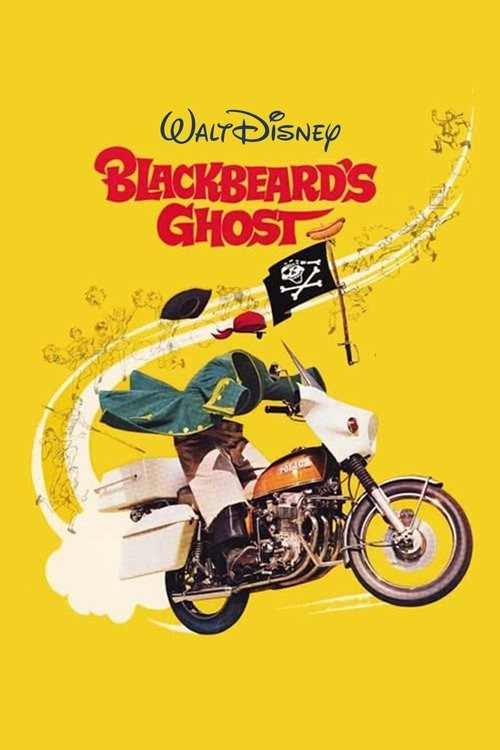
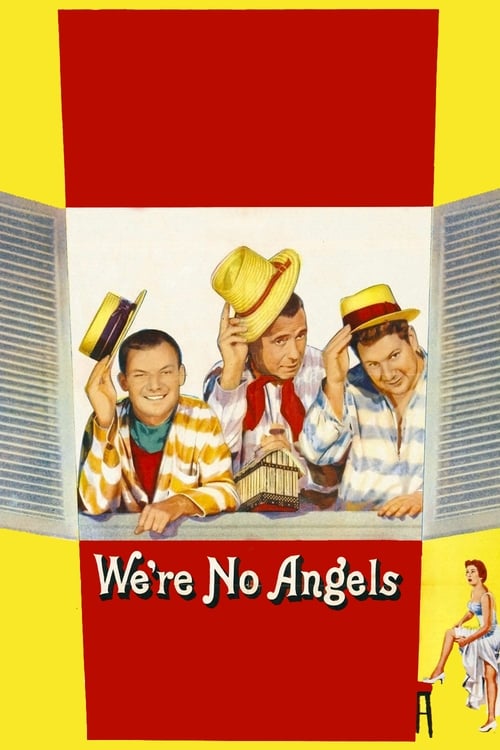
After the war, he began writing; his first major success was with the play The Love of Four Colonels (1951). He starred with Humphrey Bogart and Aldo Ray in We're No Angels (1955). His career as a dramatist continued, one of his successful plays being Romanoff and Juliet (1956). His film roles include Roman emperor Nero in Quo Vadis (1951), Lentulus Batiatus in Spartacus (1960), Captain Blackbeard in the Disney film Blackbeard's Ghost (1968), and an old man surviving a totalitarian future in Logan's Run (1976). Ustinov voiced the anthropomorphic lions Prince John and King Richard in the 1973 Disney animated film Robin Hood. He also worked on several films as writer and occasionally director, including The Way Ahead (1944), School for Secrets (1946), Hot Millions (1968), and Memed, My Hawk (1984).
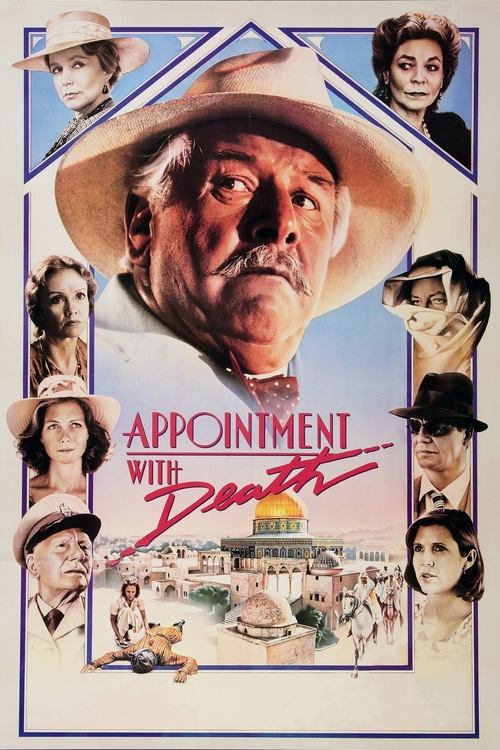
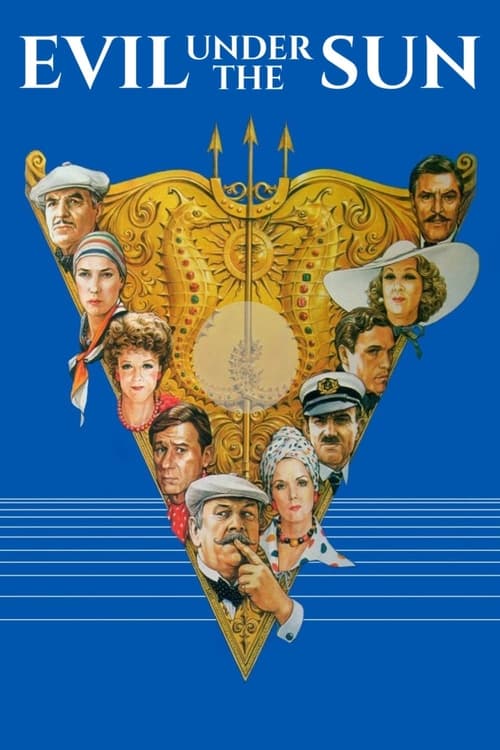
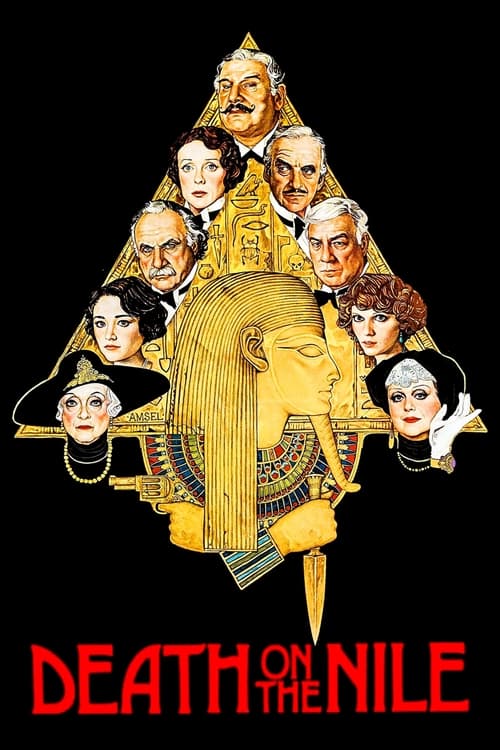
Ustinov portrayed Agatha Christie's detective Hercule Poirot in six films, beginning with Death on the Nile (1978) and Evil Under the Sun (1982), followed by the television films Thirteen at Dinner (1985), Dead Man's Folly (1986), and Murder in Three Acts (1986), then the theatrical release Appointment with Death (1988).
Ustinov won Academy Awards for Best Supporting Actor for his roles in Spartacus (1960) and Topkapi (1964). He also won a Golden Globe award for Best Supporting Actor for the film Quo Vadis (he set the Oscar and Globe statuettes up on his desk as if playing doubles tennis; the game was a love of his life, as was ocean yachting). Ustinov was also the winner of three Emmys and one Grammy and was nominated for two Tony Awards.
Personal life
Ustinov was married three times—first to Isolde Denham (1920–1987), daughter of Reginald Denham and Moyna Macgill. The marriage lasted from 1940 to their divorce in 1950, and they had one child, daughter Tamara Ustinov. Isolde was the half-sister of Angela Lansbury, who appeared with Ustinov in Death on the Nile.
His second marriage was to Suzanne Cloutier, which lasted from 1954 to their divorce in 1971. They had three children: two daughters, Pavla Ustinov and Andrea Ustinov, and a son, Igor Ustinov. Both Pavla and Andrea are actresses; Pavla appeared with her father in The Thief of Baghdad.
His third marriage was to Helene du Lau d'Allemans, which lasted from 1972 to his death in 2004.
Ustinov was a secular humanist. He was listed as a distinguished supporter of the British Humanist Association, and had once served on its advisory council.
Ustinov spent his summer holidays in Mallorca for decades. He suffered from diabetes and a weakened heart in his last years.
In 1999, Peter and his son Igor Ustinov founded the Sir Peter Ustinov Stiftung (Sir Peter Ustinov Foundation) in the city of Munich in Germany. The foundation is now based in Frankfurt am Main.
Death
Ustinov died on 28 March 2004 of heart failure in a clinic in Genolier, near his home in Bursins, Switzerland, aged 82. He had suffered from diabetes and heart disease.
Ustinov found his final resting place at the cemetery of Bursins. His ledger stone bears a cross, despite his self-description as a secular humanist, and the inscription:SIR PETER USTINOV
1921-2004
Writer-Actor-Humanist
Musicien-Membre de l'Institut
Globalism
Ustinov was the president of the World Federalist Movement (WFM) from 1991 to 2004, the time of his death.
Until his death, Ustinov was a member of English PEN, part of the PEN International network that campaigns for freedom of expression.
Filmography
Television
What's My Line? (1957—1966) – gameshow, 9 episodes
I've Got a Secret (1960) – gameshow, 1 episode
Barefoot in Athens (1966) – TV film, as Socrates
Klapzubova jedenáctka (1968) – TV serial, episode 12: "Muži z Ria", as television commentator
Parkinson (1971—1972) – talk show, 3 episodes
Clochemerle (1972) – 9 episodes, as narrator
The Muppet Show (1976) – 1 episode, as himself
Kein Abend wie jeder andere (1976) – TV film, as owner of Billy's artstore
Jesus of Nazareth (1977) – miniseries, as Herod the Great
Doctor Snuggles (1979) – 13 episodes, as Doctor Snuggles
Einstein's Universe (1979) – documentary film, as himself
Nuclear Nightmares (1979) – documentary film, as himself
Omni: The New Frontier (1981)
Overheard (1984) – TV film, as Comrade Kuruk
Thirteen at Dinner (1985) – TV film, as Hercule Poirot
Dead Man's Folly (1986) – TV film, as Hercule Poirot
Murder in Three Acts (1986) – TV film, as Hercule Poirot