Production
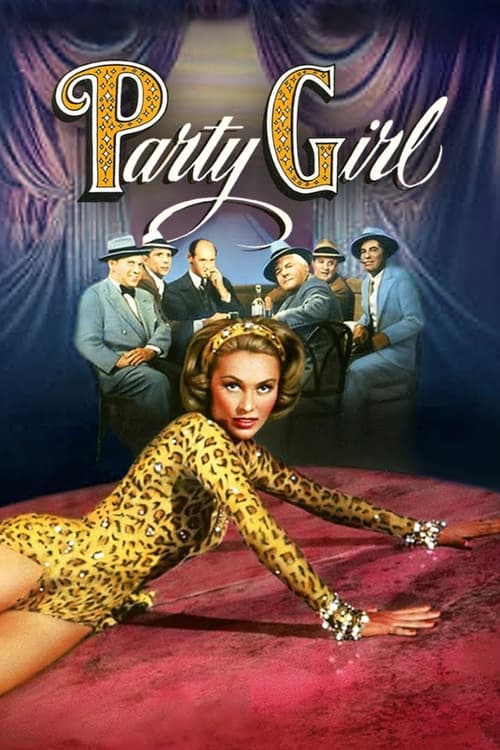
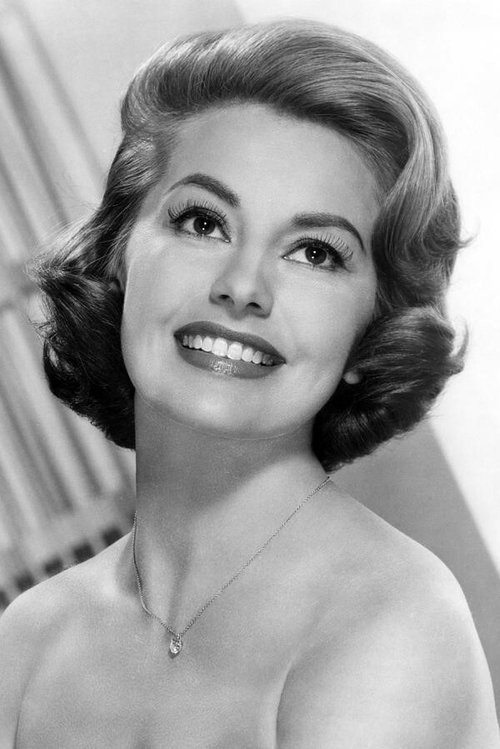
The song during the opening credits, "Party Girl", was written by Nicholas Brodszky (music) and Sammy Cahn (lyrics) and sung by Tony Martin, who was Cyd Charisse's husband.
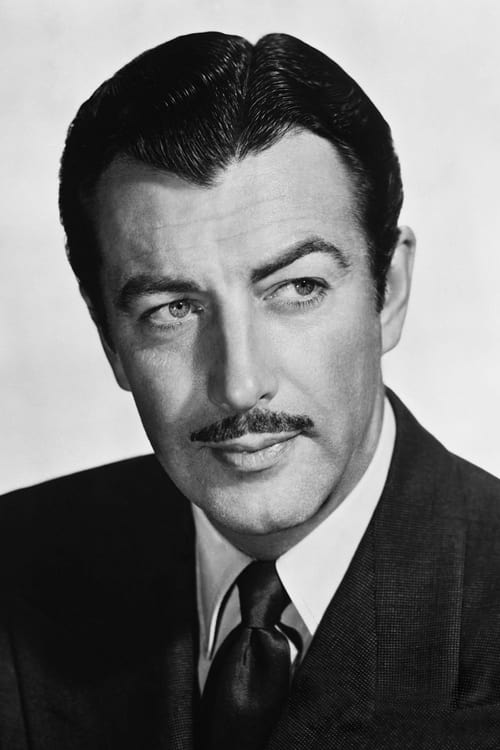
Robert Taylor's character, Tom Farrell, is loosely based on Dixie Davis, who was a lawyer for mob boss Dutch Schultz and later became an informant, although film noir historian Eddie Muller claims that Louie Cuttner, a lawyer for Al Capone, was the model. Coincidentally director Nicholas Ray would end up hiring Cuttner some years later, having no idea of the connection. Ray was impressed with the way Taylor worked, comparing him favorably with Method actors—citing Taylor's conferring with an osteologist to gather information on how Tom Farrell's limp could be realistically portrayed.
According to Eddie Muller, Lee J. Cobb's character, Rico Angelo, is a "not too veiled caricature of Al Capone". The scene where Angelo beats up Frankie Gasto – played by uncredited former wrestler Aaron "Lord Spears" Saxon – was based on an incident supposedly involving Capone; it was also used by David Mamet in his screenplay for the 1987 film The Untouchables.
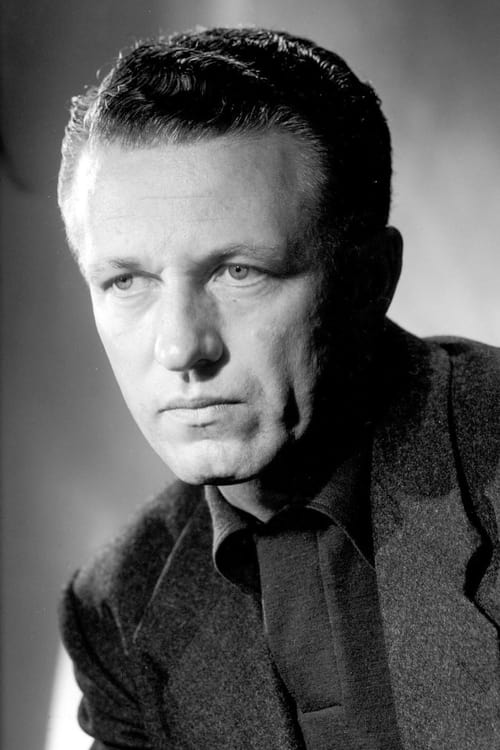
Making Party Girl was not a good experience for Ray. Having had problems with his last two independently produced films, and physically debilitated by the experiences, he signed to direct for MGM in order to get the security of one of the major Hollywood studios and to work again with an earlier collaborator, Charles Schnee; the two had worked together on 1948's They Live by Night, and Schnee was scheduled to be the producer of Party Girl. MGM was interested in Ray because he had grown up and gone to college in Chicago during Prohibition and could recreate the atmosphere of the time and place, which Ray was eager to do. Schnee, however, was replaced by Joe Pasternak, a specialist in musicals, and Ray discovered that he had little input into the writing of the script, which was already finished when he signed on by comedy specialist George Wells.
Ray was barred by MGM's protocols from being involved in the direction of the musical numbers, even to the extent of discussing Charisse's character in relation to them. Ray also wanted to use period music to help recreate the era, but MGM, concerned that it would limit the film's public appeal, rejected that idea. Ray had also planned on three days of location shooting in Chicago, but when the film went past its schedule – partly because of the musicians' strike, partly due to Charisse's long illness – these days were cancelled. In the end Ray had limited input on the film besides personal directorial style. Ray said about the film: When I couldn't contribute as much as I wanted to the script, I tried to do the next best thing in color and performance, to [capture] the kind of bizarre reality [of the time], which permitted people who lived that life to believe that theirs was the only reality. Film noir historian Eddie Muller called Ray's use of color in Party Girl "nothing short of dazzling".