Overview
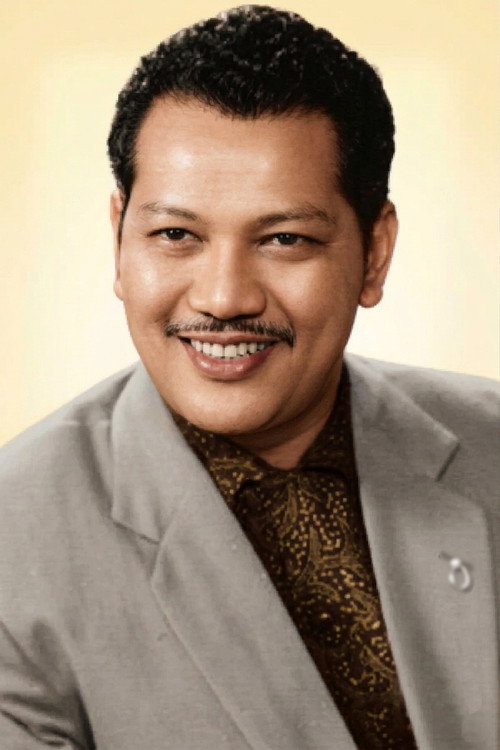
Tan Sri Datuk Amar Teuku Zakaria bin Teuku Nyak Puteh (later Ramlee bin Puteh) (22 March 1929 – 29 May 1973), better known by his stage name P. Ramlee (Puteh Ramlee), was a Malaysian actor, filmmaker, musician, and composer famous in modern-day Singapore, Malaysia, Indonesia and Southern Thailand. Born in Penang, Malaya, he is regarded as a prominent icon of Malay language entertainment.
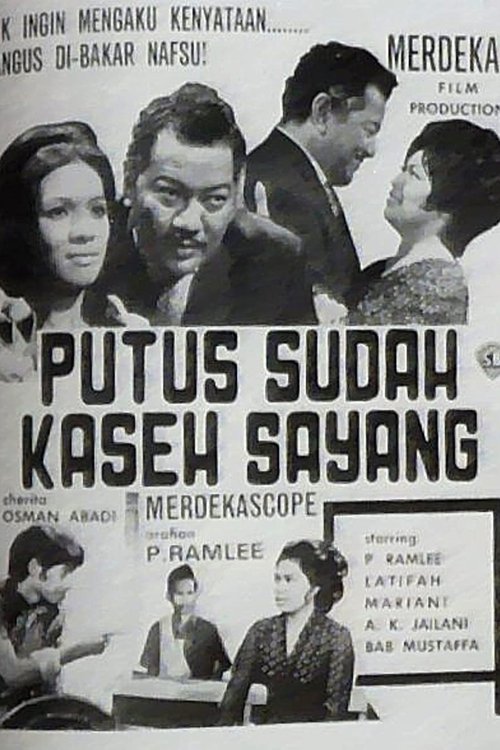
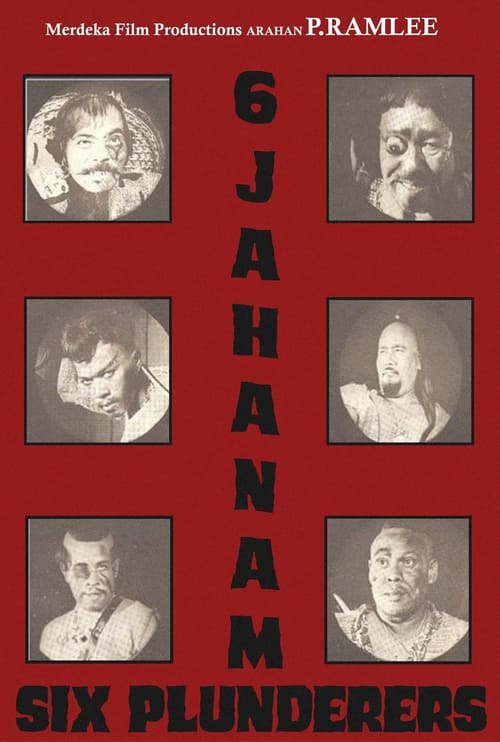
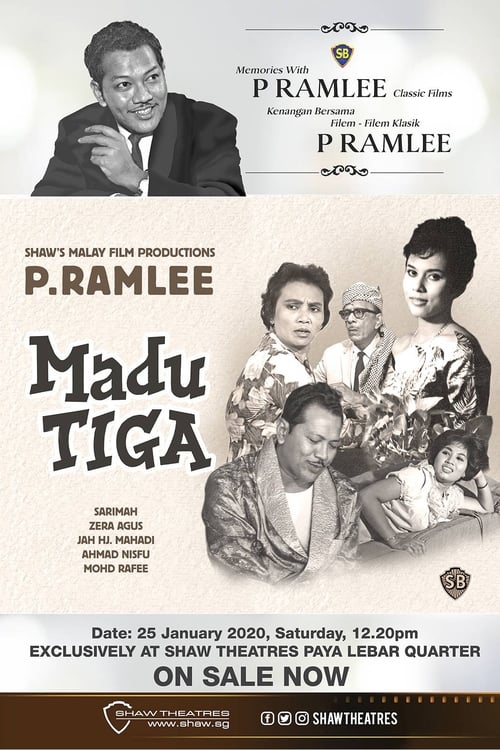
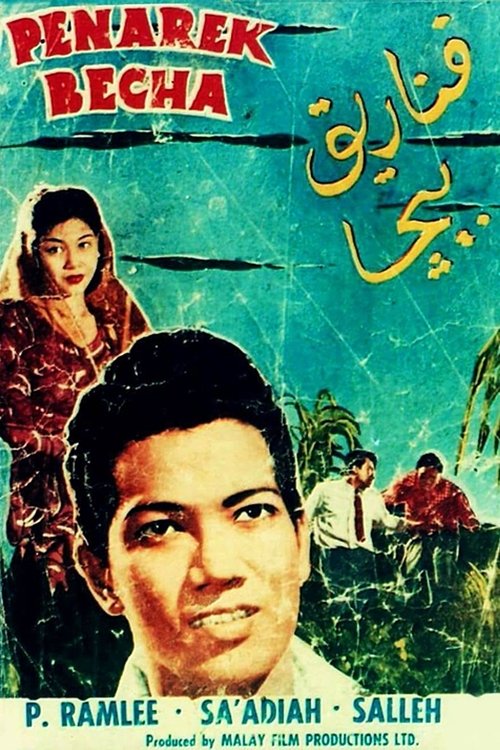
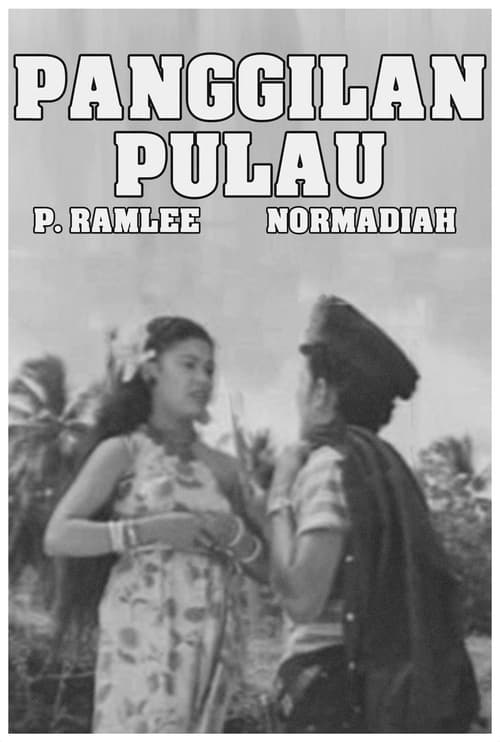
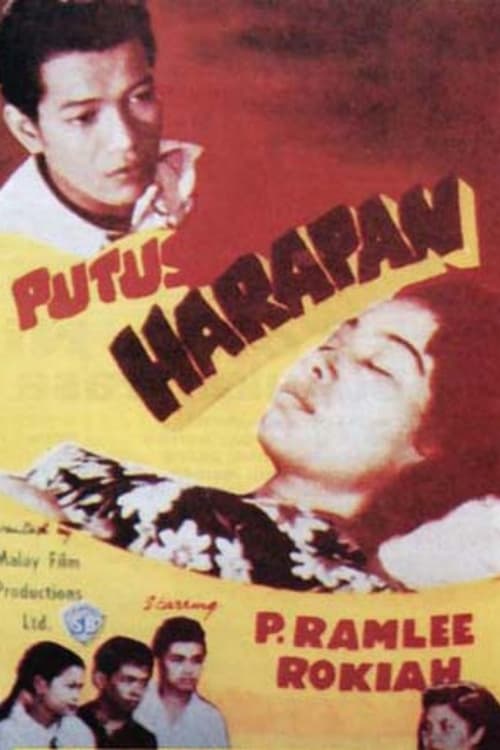
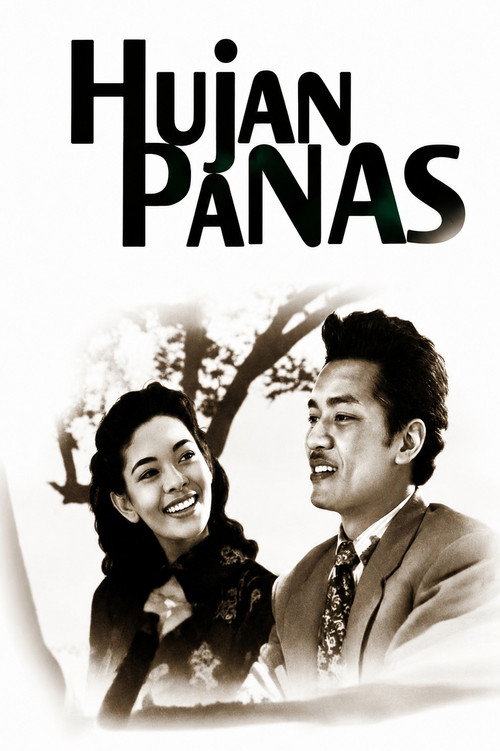
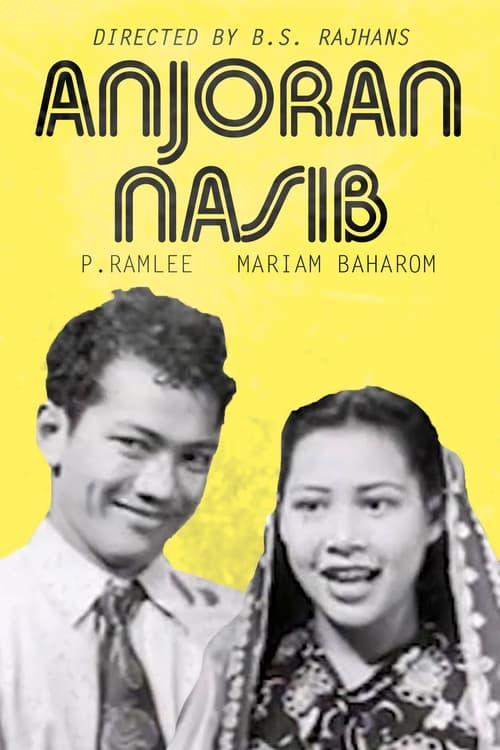
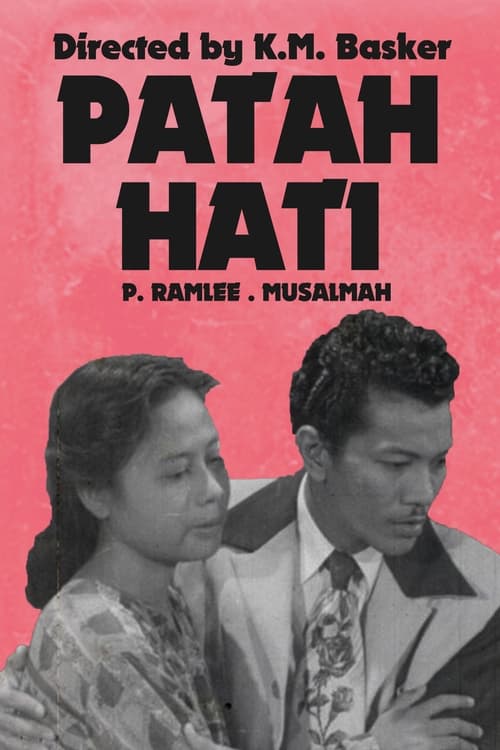
His contributions to the film and music industry began when he made his acting debut in Singapore for Malay Film Productions in 1948. He reached the height of his career there throughout the 1950s before declining in the 1960s when he moved to Kuala Lumpur to work for Merdeka Film Productions. Although acclaimed for his career in Singapore, Ramlee was denounced in Malaysia during his life, with his career only facing retrospective resurgence there decades after his death.
Early life
Ramlee was born on 22 March 1929 to Teuku Nyak Puteh Bin Teuku Karim (1902–1955) and Che Mah Binti Hussein (1904–1967). His father, Teuku Nyak Puteh, who was a descendant of a wealthy family in Aceh, migrated from Lhokseumawe in Aceh, Indonesia, to settle in Penang, where he married Ramlee’s mother, who hailed from Kubang Buaya, Butterworth, North Seberang Perai and were domiciled at the Sungai Pinang suburb of the capital, Georgetown (where his birthplace museum still stands today).
Ramlee received his education from the Sekolah Melayu Kampung Jawa (Kampung Jawa Malay School), Francis Light English School and then to Penang Free School; in all he was registered as "Ramlee" by his father, because his name Teuku Zakaria was not suitable with other children at that time. Reportedly a reluctant and naughty student, Ramlee was nevertheless talented and interested in music and football. His studies at the Penang Free School were interrupted by the Japanese occupation from 1942 to 1945, during which he enrolled in the Japanese navy school (Kaigun Gakko). He also learnt the basics of music and to sing Japanese songs during this period with his teacher, Hirahe-san. When the war ended, he took music lessons that enabled him to read musical notations.
From Wikipedia (CC BY-SA 4.0).