




Noboru Ishiguro (石黒 昇, Ishiguro Noboru; August 24, 1938 – March 20, 2012) was a Japanese anime director, anime producer, and animator.
He was the founder and president of the animation studio Artland.
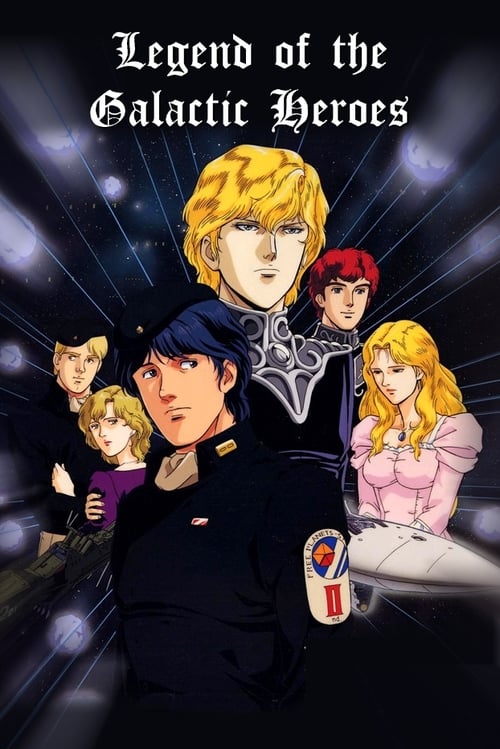
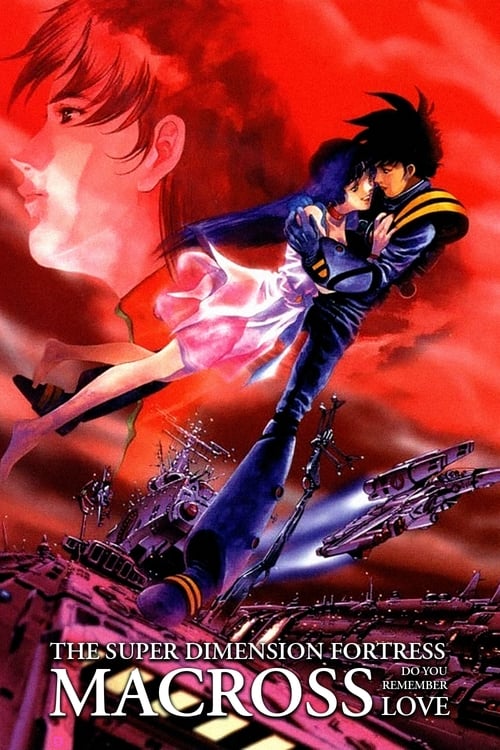
Ishiguro is an anime director who has been active in the Japanese animation industry since the 1970s. His representative works include Space Battleship Yamato, Super Dimension Fortress Macross, Megazone 23 and Legend of the Galactic Heroes.
As a director, he did not emphasize his own style, and instead entrusted important positions to talented and motivated people, regardless of their career.
For Super Dimension Fortress Macross and Megazone 23, he selected young artists such as Haruhiko Mikimoto, Ichirō Itano, and Toshihiro Hirano (currently Toshiki Hirano), most of whom were amateurs except for Itano, and placed them at the core of the production to create works of youthful sensibility. Hiroyuki Yamaga and Hideaki Anno of later Gainax, who were still in college, also joined as part-time workers. They only gathered at Artland for about three years, but many of them got their break through with Macross, and later became representative of Japanese animation.
Ishiguro became interested in the animation industry after seeing Disney's animated feature film Sleeping Beauty. As an animator, he specializes in effects animation and has made it widely known to the Japanese animation industry that such techniques exist.
In Space Battleship Yamato, he worked on many of the effects scenes, which was one of the factors that made the work so special. These techniques were then passed on to Ichiro Itano and Hideaki Anno. Anno refers to himself as a "third generation" in the lineage of Ishiguro and Itano's realism-based effects. These animators, along with Yoshinori Kanada, have led the Japanese animation industry by positioning the effects animator in animation as the F/X or VFX creative director in live action.
Ishiguro was good at music, especially classical music, and was one of the few directors in the anime industry who could read music.
His participation in the Space Battleship Yamato project was due to the fact that he was favored by producer Yoshinobu Nishizaki, who had musical experience.
He also used classical music as background music for the fleet battle scenes with space battleships in Legend of the Galactic Heroes.
Ishiguro was a science fiction enthusiast, and the success of Space Battleship Yamato was greatly influenced by Ishiguro's sci-fi imagination in terms of visuals.
Contents
Biography
Ishiguro began drawing manga when he was in elementary school, fascinated by Osamu Tezuka's Shin Takarajima, and debuted as a manga artist for rental manga in his third year of high school (1956). On to the other hand, he was also into movies in high school.
In 1957, he entered the Department of Cinema at Nihon University College of Art.
He gave up on continuing as a manga artist as rental manga began to decline due to the gekiga boom that occurred around that time. After giving up on his career as a manga artist, he next formed a Hawaiian music band with his friends and began touring cabarets. Around the same time, he was making independent animation on 8 mm film in college with a group of friends. He also began frequenting the Mushi Production of Osamu Tezuka, a man he admired, located near the university. He eventually attended Nihon University for seven years, and upon graduating in 1964 pursued a career as an animator.
He joined the animation studio Televi Dōga (currently Fuji Television Enterprises), a subsidiary of Fuji Television. After moving from Televi Dōga to Onishi Productions, he then became an independent and founded the Institute of Moving Image Technology in 1966 and JAB (Japan Art Bureau) in 1969 with his friends. However, both were dissolved. Since then, he has worked as a freelance director and storyboard artist.
Ishiguro was the animation director for the TV series Space Battleship Yamato, which began airing in 1974. The work was a huge hit and became an epoch-making work in the history of science fiction animation and Japanese animation, as it was made into a movie and a sequel was also made.
Ishiguro founded the animation studio Artland in September 1978. It started when he rented a room for lodging jointly with his fellow animators in case they couldn't go home.
Ishiguro was the chief director of the TV series Super Dimension Fortress Macross, which began airing in 1982. Following Yamato, he was to participate in a hit production that would go down in the history of Japanese animation. Macross was a project developed by Studio Nue and adopted by advertising agency Bigwest, which secured broadcast slots for sponsoring companies and commercial TV stations. Nue brought the project to Ishiguro, so he was involved from the planning stage. Since Nue was not capable of producing animation, Ishiguro's company, Artland, was to produce it. However, Artland, which specializes in subcontracting, was deemed insufficient, and Tatsunoko Production was selected as the prime contractor. Artland undertook the work as a subcontractor along with Tatsunoko subsidiary Anime Friend.
Works
Lists his work as a series director, film director and chief director.