



Nicholas Meyer (born December 24, 1945) is an American screenwriter, director and author known for his best-selling novel The Seven-Per-Cent Solution, and for directing the films Time After Time, two of the Star Trek feature films, the 1983 television film The Day After, and the 1999 HBO original film Vendetta.
Meyer was nominated for an Academy Award for Best Adapted Screenplay for the film The Seven-Per-Cent Solution (1976), where he adapted his own novel into a screenplay. He has also been nominated for a Satellite Award, three Emmy Awards, and has won four Saturn Awards. He appeared as himself during the 2017 On Cinema spinoff series The Trial, during which he testified about Star Trek and San Francisco.
Contents
Early life
Meyer was born in New York City to a Jewish family. He is the son of Bernard Constant Meyer (1910–1988), a Manhattan psychiatrist and psychoanalyst, and his first wife, concert pianist Elly (died 1960; née Kassman). He has three sisters. Meyer graduated from the University of Iowa with a degree in theater and filmmaking, and also wrote film reviews for the campus newspaper.
Career
Author
Meyer first gained public attention for his best-selling 1974 Sherlock Holmes novel The Seven-Per-Cent Solution, a story of Holmes confronting his cocaine addiction with the help of Sigmund Freud.
Meyer followed this with six additional Holmes novels: The West End Horror (1976), The Canary Trainer (1993), The Adventure of the Peculiar Protocols (2019), The Return of the Pharaoh (2021), The Telegram From Hell (2024), and The Real Thing (2025).
Meyer has said that The Adventure of the Peculiar Protocols was inspired by Steven Zipperstein's Pogrom: Kishinev and the Tilt of History.
Writer/Director
The Seven-Per-Cent Solution was later adapted as a 1976 film of the same name, for which Meyer wrote the screenplay. The film was directed by Herbert Ross and starred Nicol Williamson, Robert Duvall, Alan Arkin and Laurence Olivier. For his work adapting the novel, Meyer was nominated for an Academy Award for Best Adapted Screenplay at the 49th Academy Awards.
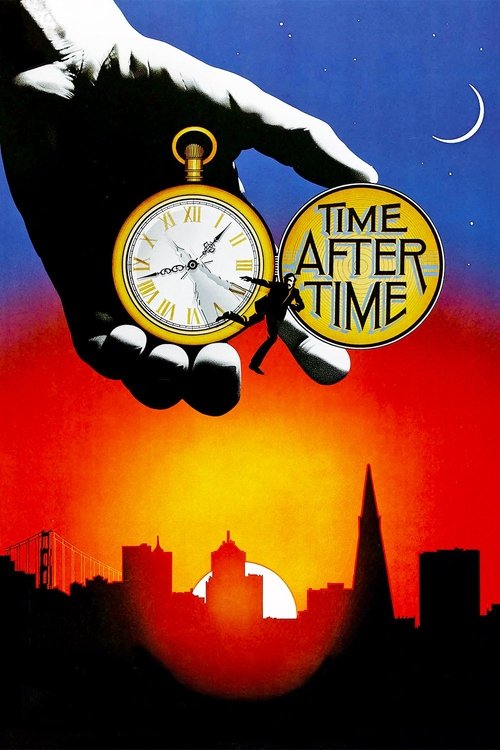
Intrigued by the first part of college friend Karl Alexander's then-incomplete novel Time After Time, Meyer optioned the book and adapted it into a screenplay. He consented to sell the script only if he were attached as director. The deal was optioned by Warner Bros., and the film became Meyer's directorial debut. Meyer freely allowed Alexander to borrow from the screenplay. The latter published his novel at about the same time the movie was released.
Time After Time (1979) starred Malcolm McDowell, Mary Steenburgen and David Warner. It was a critical and commercial success.
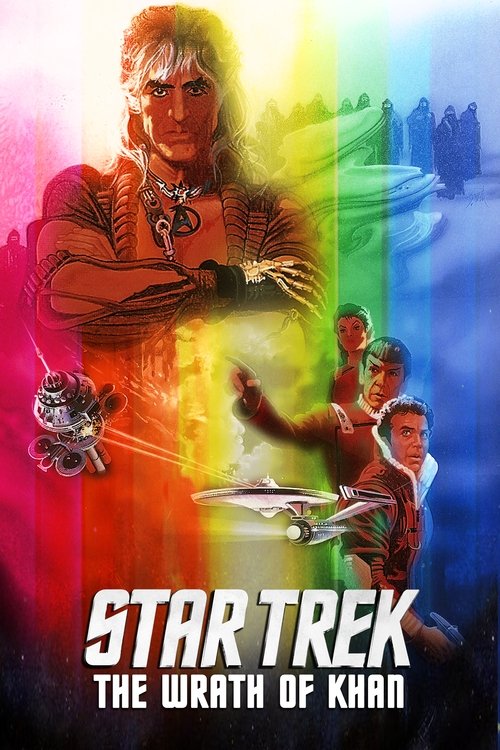
Meyer next "wanted to make a film of the Robertson Davies novel, Fifth Business. And I had written the screenplay. And nobody was interested in doing this." At the behest of then Paramount executive Karen Moore, he was hired to direct Star Trek II: The Wrath of Khan.
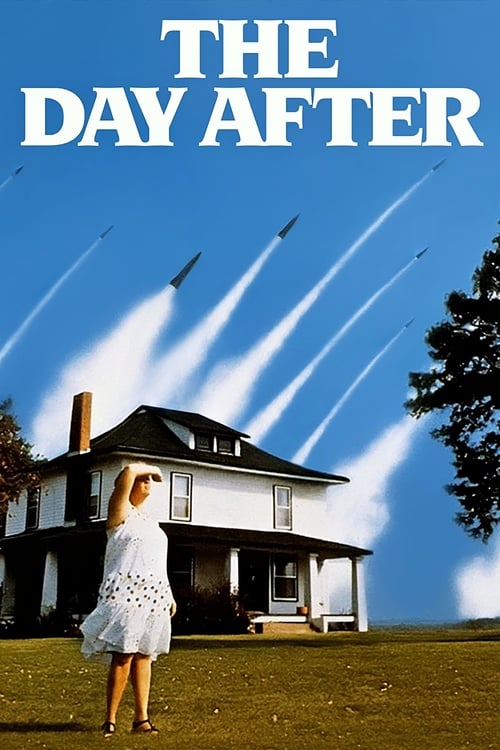
Meyer later directed the 1983 television film The Day After, starring Jason Robards, JoBeth Williams, John Cullum, Bibi Besch, John Lithgow and Steve Guttenberg, which depicted the ramifications of a nuclear attack on the United States. Meyer had originally decided not to do any television work, but changed his mind upon reading the script by Edward Hume. For his work on The Day After, Meyer was nominated for an Emmy Award for Best Director. Afterward, he also directed "The Pied Piper of Hamelin", a 1985 episode of the television series Shelley Duvall's Faerie Tale Theatre.
He resumed directing theatrical films with the 1985 comedy Volunteers, starring Tom Hanks and John Candy. He then returned to Star Trek, co-writing the screenplay for Star Trek IV: The Voyage Home (1986) with producer Harve Bennett.
In 1986 Meyer helped James Dearden write the screenplay for Fatal Attraction, based on a short movie Dearden made in 1980 called Diversion. In Meyer's book The View from the Bridge: Memories of Star Trek and a Life in Hollywood, he explains that in late 1986 producer Stanley R. Jaffe asked him to look at the script developed by Dearden, and he wrote a four-page memo making suggestions for the script including a new ending for the movie. A few weeks later he met with director Adrian Lyne and gave him some additional suggestions.
Star Trek
Meyer, along with writer/producer Harve Bennett, is one of two people credited with revitalizing and perhaps saving the Star Trek franchise after the problems of the first film, Star Trek: The Motion Picture, almost caused Paramount Pictures to end the series. Paramount had been unhappy with the creative direction of the first film, as well as the cost overruns and production problems. However, the film was also a great financial success, and they wanted a sequel. Bennett, a reliable television producer, was hired to help.
Introduced to Bennett by Paramount executive Karen Moore, Meyer was hired as a potential director for Star Trek II: The Wrath of Khan despite never having seen the first film. Due to problems with the early drafts of the script, which most readers disliked, Meyer quickly became involved in re-writing the film's screenplay. After meeting with Bennett and other cast members and crew members regarding the script, Meyer impressed Star Trek actors and producers by delivering a superior script draft in only twelve days. The draft had to be completed so quickly that Meyer agreed to forgo negotiating a contract or credit for his writing to begin work on the script immediately. As a result, he is uncredited as a writer on the final film.
Meyer made stylistic alterations in his direction, such as adding more of a naval appearance to the production. Meyer and Bennett created an engaging film while also reducing costs and avoiding the production fiascoes of the first Star Trek film. The Wrath of Khan became a financial success, grossing $78 million in the domestic market, and is considered by many to be the best Star Trek film to date.
Although he "refuse[d] to specialize" and so vowed to not work on another Star Trek project, Meyer co-wrote the screenplay for the fourth Star Trek film, Star Trek IV: The Voyage Home with Bennett. For that film, Bennett wrote the first and third acts, which occur in the 23rd century, and Meyer wrote the second act, which occurs in 1986 San Francisco. Meyer has said that one of the most enjoyable aspects of working on this film was getting the chance to re-use elements which he had been forced to discard from his earlier film, Time After Time. Star Trek IV proved to be successful financially, notable for succeeding with general moviegoers as well as science fiction and Star Trek devotees.
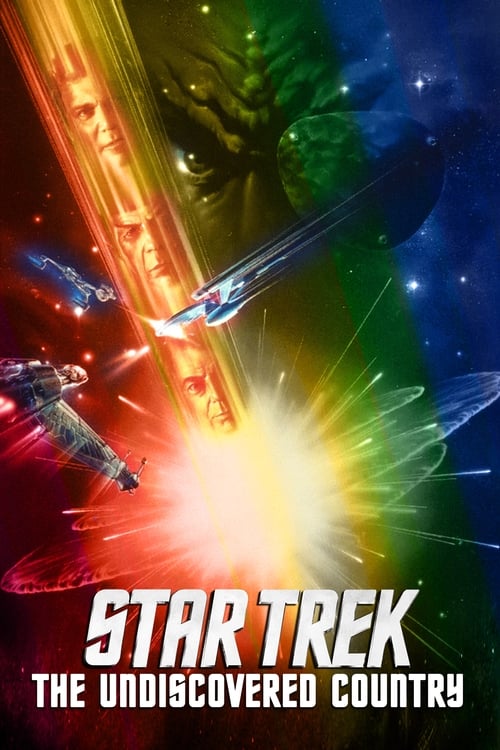
Meyer worked for the Star Trek franchise again for the sixth film in the series, Star Trek VI: The Undiscovered Country (1991). He developed the story with Leonard Nimoy and co-wrote the screenplay with long-time friend and assistant Denny Flinn. He directed the picture, which was the final film to feature the entire classic Star Trek cast. Like its predecessors, this film was successful financially, grossing $74 million in the domestic market. Many of Meyer's personal papers from his involvement with the Star Trek franchise are housed at the University of Iowa Libraries.
Personal life
Meyer was married to Lauren Taylor Meyer in the late 1980s and they had two daughters. Lauren died of breast cancer in 1993. Meyer's daughter, screenwriter Dylan Meyer, married actress and filmmaker Kristen Stewart on April 21, 2025.
In 2023, Meyer won the Future of Life Award, for reducing the risk of nuclear war through the power of storytelling.
Filmography
Film
Producer
Collateral Damage (2002)
Television
Miniseries
TV movies