Series history
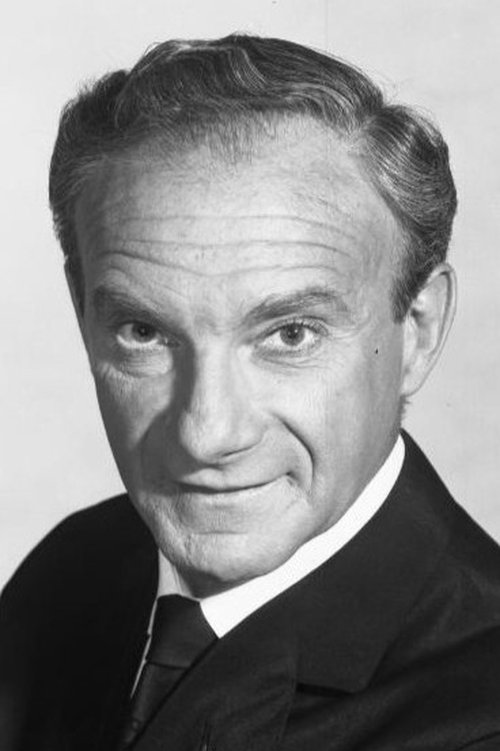
The show was conceptualized in 1965 with the filming of an unaired pilot episode titled "No Place to Hide". The plot of the pilot episode followed the mission of a ship called the Gemini 12, which was to take a single family on a 98-year journey to an Earth-like planet orbiting the star Alpha Centauri. The Gemini 12 was pushed off course due to an encounter with an asteroid, and the story centered on the adventures of the Robinson family, depicting them as a happy crew without internal conflicts. While many storylines in the later series focused primarily on Dr. Zachary Smith, a stowaway and saboteur played by Jonathan Harris, he was absent from the unaired pilot. His character was added after the series was commissioned for production. The pilot episode was first aired on television during a 1997 retrospective.
CBS bought the series in October 1964s. Before the first episode was filmed, the characters Smith and the Robot were added, and the spaceship, originally named Gemini 12, was renamed the Jupiter 2 and redesigned. For budget considerations, a good part of the footage included in the pilot episode was reused, being carefully worked into the early series episodes.
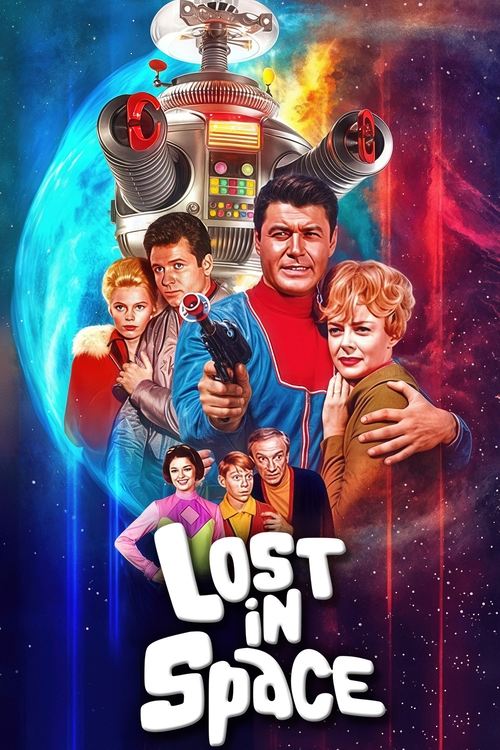
The first season emphasized the daily adventures of the Robinsons. The first half of season 1 dealt with the Robinson party trekking around the rocky terrain and stormy inland oceans of Priplanus in the Chariot to avoid extreme temperatures. However, the format of the show later changed to a "Monster of the Week" style, where stories were loosely based on fantasy and fairy tales.
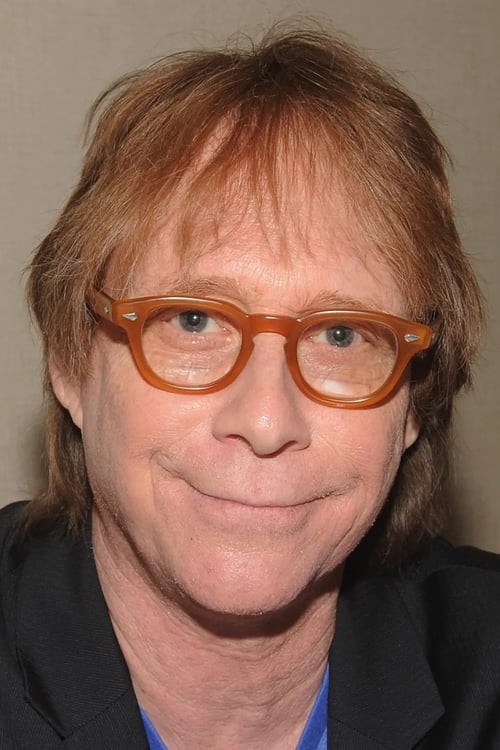
In January 1966, ABC scheduled Batman in the same time slot as Lost in Space. Season 2 imitated Batman's campy humor to compete against that show's enormous success. Bright outfits, over-the-top action, and outrageous villains came to the fore in outlandish stories. Stories giving all characters focus were sacrificed in favor of a growing emphasis on Smith, Will, and the Robot. According to Bill Mumy, Mark Goddard and Guy Williams both disliked the shift away from serious science fiction.
The third season had more adventure, but also episodes like "The Great Vegetable Rebellion" with actor Stanley Adams as Tybo, the talking carrot. With the reputation of being "the most insipid and bizarre episode in television history", Kristen recalled that Goddard complained that "seven years of Stanislavski method acting had led to his talking to a carrot." The Jupiter 2 was now functional and traveled from planet to planet, but the episodes still tended to be whimsical and to emphasize humor, including fanciful space hippies, more pirates, offbeat intergalactic zoos, ice princesses, and a galactic beauty pageant.
During the first two seasons, episodes concluded in a "live action freeze" anticipating the following week, with a cliff-hanger caption, "To be continued next week! Same time, same channel!" For the third season, each episode's conclusion was immediately followed by a vocal "teaser" from the Robot (Dick Tufeld), advising viewers to "Stay tuned for scenes from next week's exciting adventure!". Scenes from the next episode were then presented, followed by the closing credits. There was little continuity between each episode, except for the aspiration of reaching a large goal, i.e., enough fuel to travel from planet to planet.
After cancellation, the show was successful in reruns and in syndication for many years, appearing on the USA Network (in the mid-to-late 1980s) and on FX, Syfy, ALN, MeTV and Hulu.