2019–present: Expansion to directing
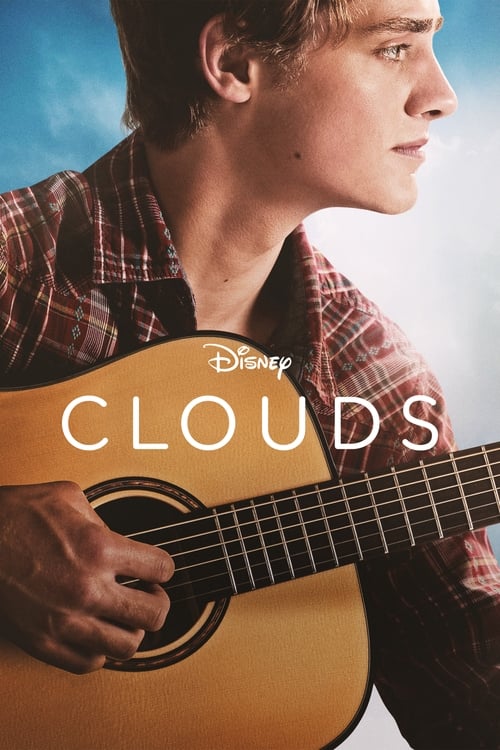
Baldoni directed and produced CBS Films' coming-of-age romantic drama Five Feet Apart, starring Cole Sprouse and Haley Lu Richardson, based on an original script by Mikki Daughtry and Tobias Iaconis. The film was released on March 15, 2019, and chronicles the lives of two teenagers living with cystic fibrosis who fall in love. The film was a financial success but received mixed reviews. The following year, he directed and produced Clouds, a film depicting the life and death of musician Zach Sobiech with Warner Bros. On May 14, 2020, it was announced that Disney+ had acquired distribution rights to the film from Warner Bros., in light of the impact of the COVID-19 pandemic on the film industry. It was released on October 16, 2020.
In 2024, he produced the romantic comedy A Nice Indian Boy, starring Jonathan Groff and Karan Soni. The film follows an Indian doctor, played by Soni, who brings his white boyfriend, played by Groff, to meet his traditional parents. Though it had a modest release and box-office turn worldwide, it was met with universal acclaim by critics. In 2025, the Wayfarer Studios-backed film Eleanor the Great, directed by Scarlett Johansson in her directorial debut and starring June Squibb, had its world premiere at Cannes Film Festival. Baldoni served as executive producer. That year also saw the release of the action-comedy Code 3, directed by Christopher Leone, which Baldoni also produced through Wayfarer.
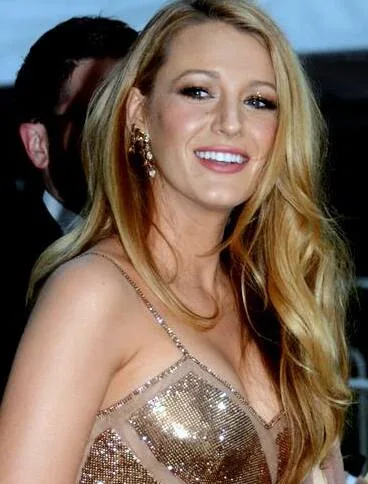
In 2024, Baldoni directed and starred in the romantic drama It Ends with Us, based on Colleen Hoover's novel of the same name. In the film, in which he acted opposite Blake Lively, Baldoni portrays a neurosurgeon who is revealed to be a domestic abuser. The film became a box office hit, earning over $350 million, but received mixed reviews from critics. In December 2024, Lively filed a complaint with the California Civil Rights Department, alleging she experienced sexual harassment during filming from Baldoni and others associated with Wayfarer Studios and that there were subsequent attempts to damage her public image.
On December 22, 2024, The New York Times published an article written by investigative reporters Megan Twohey, Mike McIntire, and Julie Tate about Lively's complaint. They reported that Baldoni and producer Jamey Heath hired crisis management experts to "destroy" Lively's reputation through social media campaigns and strategic media placement. Baldoni denied the accusations, and his lawyer, Bryan Freedman, produced a statement describing Lively's claims as "completely false, outrageous and intentionally salacious."
In response to their reporting on the allegations by Lively, Justin Baldoni filed a libel lawsuit for $250 million against The Times. In addition to denying the allegations, Baldoni accused the paper of "working alongside Lively’s team to publish a one-sided article that benefited Lively and contained doctored evidence".
The New York Times defended its reporting, stating "The role of an independent news organization is to follow the facts where they lead. Our story was meticulously and responsibly reported. It was based on a review of thousands of pages of original documents, including the text messages and emails that we quote accurately and at length in the article. To date, Wayfarer Studios, Mr. Baldoni, the other subjects of the article and their representatives have not pointed to a single error. We published their full statement in response to the allegations in the article as well. We plan to vigorously defend against the lawsuit." After Lively filed a lawsuit against Baldoni, he countersued her for $400 million, folding the claims against The Times into the suit. This lawsuit was dismissed in June 2025 as the judge found Baldoni had not shown the paper "acted with actual malice - the legal standard a public figure like Mr. Baldoni must meet to prove libel - in publishing the article". In September 2025, the New York Times filed a lawsuit against Baldoni's production company to recoup legal costs under New York State's anti-SLAPP laws.
In April 2026, the court dismissed 10 of Lively's 13 claims, including her sexual harassment allegations against Baldoni, thereby removing him and all individual associates from the lawsuit. Lively voluntarily dismissed her remaining claims of retaliation and breach of contract, resolving the case in a settlement in May 2026 without any monetary exchange.
In June 2026, a federal judge ruled that Lively was entitled to recover her legal fees from Wayfarer Studios, Baldoni’s production company, from only the defamation claim in their countersuit, but she was not entitled any damages for harm caused by his defamation claims. In August 2026, U.S. District Judge Lewis J. Liman ruled, in explicit agreement with Wayfarer Studios' position, that Lively "was entitled only to the reasonable fees and costs necessary to defend against the defamation claim" and awarded her $400,000.