



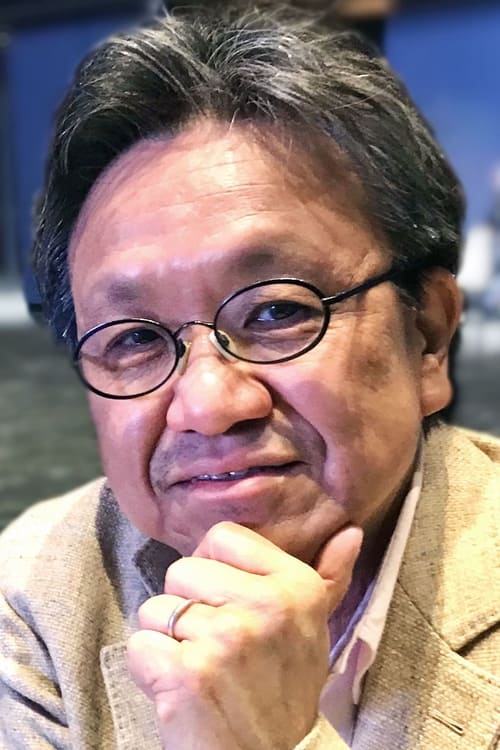
Junichi Sato (佐藤 順一, Satō Jun'ichi; born March 11, 1960) is a Japanese anime director.
After working for Toei Dōga (currently Toei Animation) and then TYO Animations (formerly Hal Film Maker), he joined Twin Engine in 2017.
Sato has been active since the 1980s and is a hit maker who, as series director of children's TV animation during his time at Toei Dōga, brought out the first series of long-running popular titles such as Sailor Moon and Ojamajo Doremi.
After leaving Toei, he has continued to demonstrate his skills by working on popular series such as Sgt. Frog and Pretty Cure.
He won the Mainichi Film Award for Best Animation Film in 1996 and 2020 for his films.
Contents
Early life
Sato was born in Nagoya and moved to Ama, when he entered junior high school, where he stayed until he moved to Tokyo for university.
Career
Sato passed Toei Dōga's trainee recruitment exam while still a student in the animation course of the film department of Nihon University College of Art, and dropped out of university to join the company in 1981.
Shortly before this, he had received an honorable mention for a manga he submitted to Shogakukan's call for new manga artists, and was discussing his subsequent work with the editorial department.
After working as a production assistant, he passed the director's selection test around 1983.
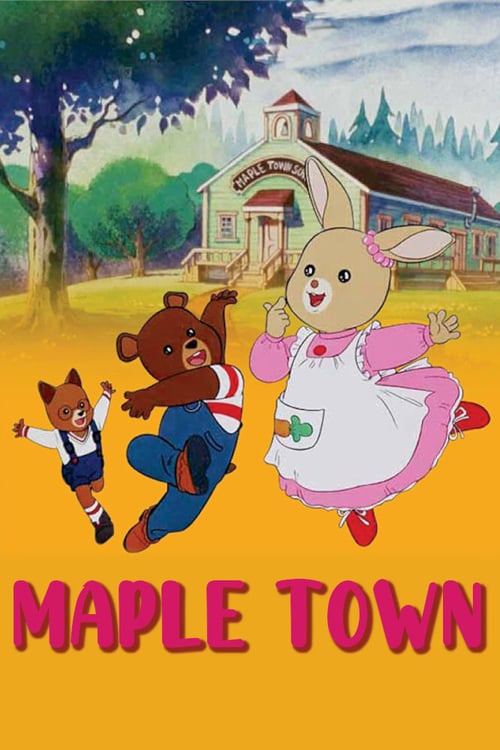
In 1986, he was selected as the youngest series director in Toei Dōga's history for Maple Town Stories.
After a minor misunderstanding, he got into trouble with the producer and was demoted to episode director of the sequel, New Maple Town Stories.
He was to have directed Studio Ghibli's 1989 film Kiki's Delivery Service, produced by Hayao Miyazaki, but left the project before it started.
Negotiations between Toei and Ghibli were difficult, and Sato himself was the point of contact for the trainees in labor-management negotiations between Toei and the trainees, so it was difficult for him to announce that he would quit Toei.
Ghibli's Toshio Suzuki told him he could come to Ghibli in the form of a secondment, but in the final stages Toei Dōga came to the conclusion that they would not second someone who had been brought up in-house, and he was forced to give up directing the film.
Next in line to direct the film was Sunao Katabuchi, who had been involved with Hayao Miyazaki's films since his student days, but the main sponsor balked at this, and Miyazaki ended up directing the film.
Sato acted as series director on Sailor Moon since 1992.
Style
Sato has directed and supervised a wide range of works for children and adults, many of which have become long-term series.
He is also active in the production of original works and is actively involved from the planning stage.
During his experience at Toei, he learned a lot about how to make commercial-based animations and the know-how of children's productions. Generally in Japan, not much marketing is done in the production of animation, but in the toy business for children, it is done thoroughly. As a series director, he went to toy manufacturers with producers to discuss and decide on the design and content of the animation, including with people from the manufacturers' planning department.
On the other hand, Sato has carefully depicted the struggles children face and their family problems. He has always taken his own approach to what he cares about regarding children, as in his film Junkers Come Here, about a schoolgirl struggling with her parents' divorce.
He is a master of animation storytelling, and in robot anime he is more often asked to storyboard the everyday scenes that are the key to the drama than the battle scenes.
He is skilled at training and mentoring newcomers, and once the popularity of the series stabilised, he often steps down as director and passes the baton to his successor. During his time at Toei Dōga, many talents studied directing under him, including Kunihiko Ikuhara, Kōnosuke Uda, Takuya Igarashi and Mamoru Hosoda.
He recognised Kunihiko Ikuhara's potential from a young age, and promoted him to anime magazines and other publications.
Sato considers himself more suited to TV series than films.
Although tacitly permitted, Toei Dōga basically did not allow its staff to work for other studios, so Sato used a pseudonym like the rest of the staff when participating without going through the company.
Works
Anime films
Sleeping Beauty (1983) (director)
Tongari Bōshi no Memoru (1985) (director)
Bikkuriman (1987) (director)
Akuma-kun the Movie (1989) (director)
Akuma-kun Yōkoso Akuma Land e!! (1990) (director)
Goldfish Warning! the Movie (1992) (director)
Osawaga! Super Baby! (1994) (director)
Junkers Come Here (1995) (director)
GeGeGe no Kitarō Obake Naitā (1997) (director)
The End of Evangelion (1997) (storyboard)
Slayers Premium (2001) (director, screenplay,)
Keroro Gunso the Super Movie (2006) (general director)
Keroro Gunso the Super Movie 2: The Deep Sea Princess (2007) (general director)
Keroro Gunso the Super Movie 3: Keroro vs. Keroro Great Sky Duel (2008) (general director)
Keroro Gunso the Super Movie 4: Gekishin Dragon Warriors (2009) (general director)
Evangelion: 2.0 (2008) (storyboard)
Keroro Gunso the Super Movie 3: Keroro vs. Keroro Great Sky Duel (2008) (general director)
Short Peace episode4: A Farewell to Weapons (2013) (story advisor)
Original video animation
Mobile Suit Gundam 0080: War in the Pocket (1989) (storyboard)
TOKUMA Anime Video Ehon Hana Ichimonme Episode 3 (1990) (director)
TOKUMA Anime Video Ehon Hana Ichimonme Episode 6 (1990) (director, scriptwriter)
Kimama ni Idol (1990) (director, Scriptwriter)
Little Twins (1992) (storyboard, episode director)
Magic User's Club (1996) (original creator, storyboard, executive producer)
Jigoku-dō Reikai Tsūshin (1996) (general director, episode director)
Sorcerer Hunters (1997) (storyboard))
Gate Keepers21 (2002) (storyboard, episode director)
Kaleido Star: New Wings -Extra Stage- (2004) (original creator, director)
Ojamajo Doremi Na-i-sho (2004) (supervisor, storyboard.)
Kaleido Star: Legend of phoenix 〜Layla Hamilton Monogatari〜 (2005) (original creator, director, sound director)
Kaleido Star: Good da yo! Goood!! (2006) (original creator, supervisor, sound director)
Aria the OVA: Arietta (2007) (director, scriptwriter, storyboard, sound director)
Tamayura (2010) (original creator, director, head writer, scriptwriter, storyboard, sound director)
Web animation
Gate Keepers21 (2009) (supervisor, sound director)
Pure Dragon (2011) (director)
Akuma-kun (2023, Netflix) (general director)
Awards and honours
The 50th Mainichi Film Award for Best Animation Film (Junkers Come Here)
The 75th Mainichi Film Award for Best Animation Film (Looking for Magical Doremi)
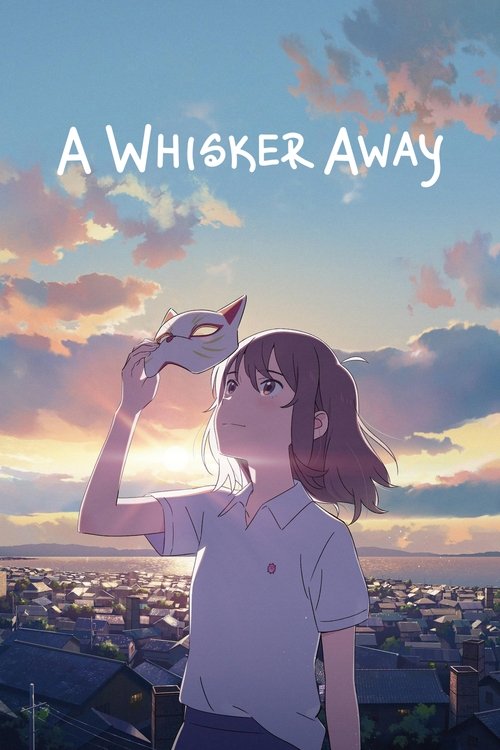
The 24th Japan Media Arts Festival Animation Division Excellence Award (A Whisker Away)