



Judith Davis (born 23 April 1955) is an Australian actress. Regarded as one of the finest actresses of her generation, she is known for her work across both screen and stage, often in roles of brittle, neurotic women in independent media. Her accolades include a record nine AACTA Awards, three Primetime Emmy Awards, two British Academy Film Awards and two Golden Globe Awards, in addition to nominations for two Academy Awards and a Laurence Olivier Award. Her frequent collaborator, director Woody Allen, has described her as "one of the most exciting actresses in the world".
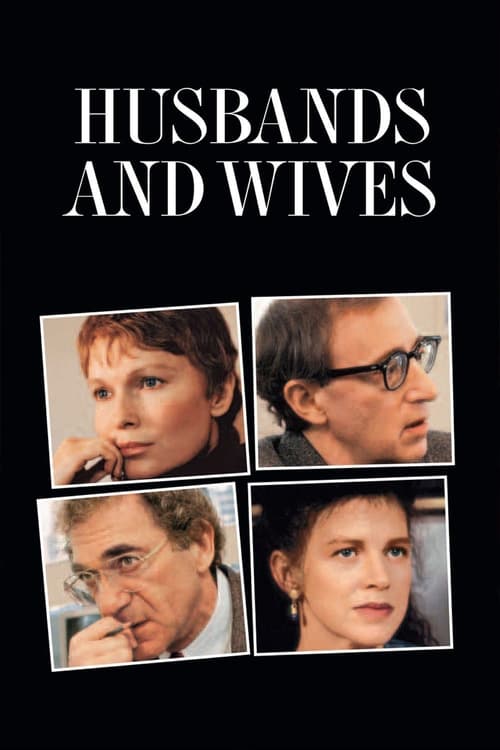
After graduating from the National Institute of Dramatic Art, Davis began her career on the stage and had her film debut in 1977. She rose to international attention with her leading role in the period drama film My Brilliant Career (1979), winning two BAFTA Awards. This led to starring roles in Hollywood projects, receiving her first Emmy nomination for the docudrama A Woman Called Golda (1982). She received nominations for the Academy Award for Best Actress for starring in the historical film A Passage to India (1984) and Best Supporting Actress for Allen's comedy-drama Husbands and Wives (1992).
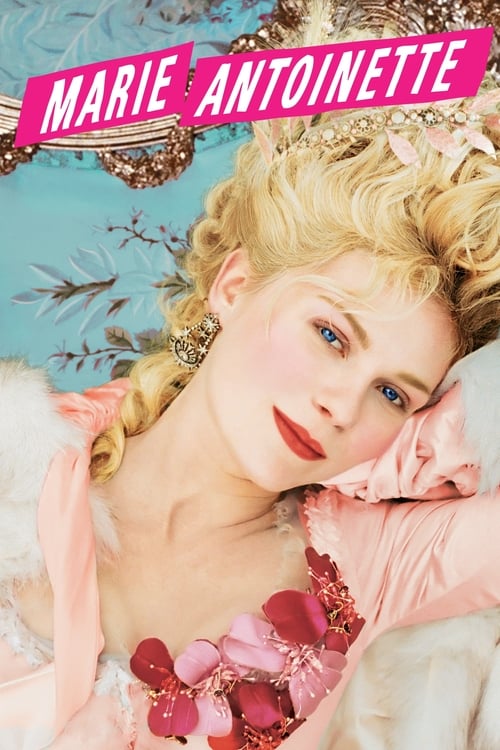
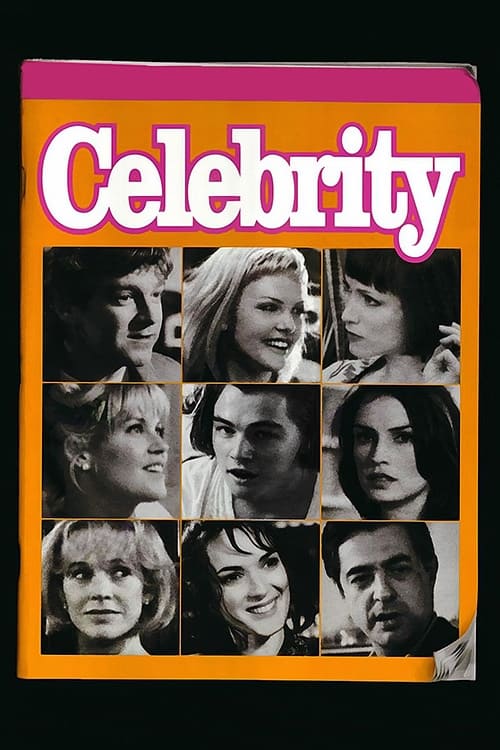
Davis won three Primetime Emmy Awards for starring in the television film Serving in Silence: The Margarethe Cammermeyer Story (1995), and the miniseries Life with Judy Garland: Me and My Shadows (2001) and The Starter Wife (2007). Her subsequent films include Children of the Revolution (1996), Celebrity (1998), Marie Antoinette (2006), The Eye of the Storm (2011), To Rome with Love (2012), The Dressmaker (2015), and Nitram (2021).
Contents
Early life
Davis was born in Perth, Western Australia, in the suburb of Floreat and had a strict Catholic upbringing. She was educated at Loreto Convent and the Western Australian Institute of Technology and graduated from the National Institute of Dramatic Art (NIDA), Sydney, Australia in 1977.
Career
Screen
After making her feature film debut in the buddy comedy High Rolling (1977), Davis first came to prominence for her role as Sybylla Melvyn in the coming-of-age saga My Brilliant Career (1979), opposite Sam Neill, for which she won BAFTA Awards for Best Actress and Best Newcomer. Davis was particularly praised for her performance; Janet Maslin of The New York Times admired her for bringing "an unconventional vigor to every scene she's in, even in a film that's as consistently animated as this one", while Luke Buckmaster, writing for The Guardian in 2014, commented that Davis gave "a rousing performance as bull-headed protagonist Sybylla Melvyn. The term "once in a lifetime" tends to be slapped around like a bumper sticker, but this meaty role lives up to the accolade."
Her success continued with lead roles in the Australian New Wave films Winter of Our Dreams (1981), as a waif-like heroin addict; the drama Heatwave (1982), as a radical Sydney tenant organizer; and the thriller Hoodwink (1981), as a sexually repressed clergyman's wife. Of her performance in Winter of Our Dreams, Roger Ebert wrote that: "Davis brought a kind of wiry, feisty intelligence to My Brilliant Career, playing an Australian farm woman who rather felt she would do things her own way. She's wonderful again this time, in a completely different role as an insecure, distrustful, skinny street waif. [She] performs her movement magnificently.
Her international film career began when she played the younger version of Ingrid Bergman's Golda Meir in the television docudrama A Woman Called Golda (1981), for which she received a Primetime Emmy Award for Outstanding Supporting Actress – Miniseries or a Movie nomination. She then played a terrorist based on Vanessa Redgrave in the British film Who Dares Wins (1982).
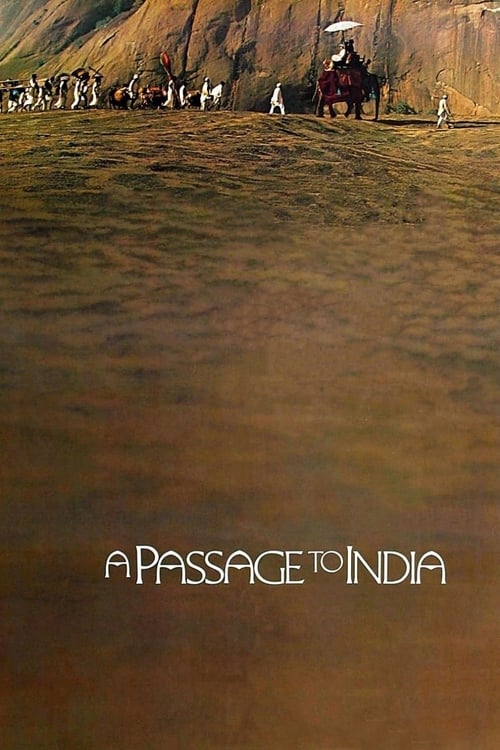
She was cast as Adela Quested in David Lean's final film A Passage to India (1984), an adaptation of E. M. Forster's novel, and was nominated for the Academy Award for Best Actress. Variety praised Davis for having "the rare gift of being able to look very plain (as the role calls for) at one moment and uncommonly beautiful at another. Likewise, The Washington Post wrote, "With makeup the color of smudged ivory, her pallor enhanced by the off-white linens she wears, Davis is daringly unattractive for a leading lady; that plainness is emphasized in the book. Davis' neuroticism, her way of twitching and thrusting her jaw and looking up hungrily beneath the brim of her straw hat, brings to life the ravenous sexuality beneath Miss Quested's decorous exterior."
Stage
Davis's stage work has been mostly confined to Australia. Early in her career, she played Juliet opposite Mel Gibson's Romeo. In 1978, she appeared in Visions by Louis Nowra at the Paris Theatre Company in Sydney. In 1980, she portrayed French chanteuse Edith Piaf in Stephen Barry's production of the Pam Gems play Piaf at the Perth Playhouse. She played both Cordelia and the Fool in a 1984 staging of King Lear by the Nimrod Theatre Company, and also starred in its productions of Strindberg's Miss Julie, Chekhov's The Bear, Louis Nowra's Inside The Island and, in 1986, the title role of Ibsen's Hedda Gabler for the Sydney Theatre Company.
In 2004, she starred in and co-directed Howard Barker's play Victory, as a Puritan woman determined to locate her husband's dismembered corpse. Other stage directorial efforts include Sheridan's The School For Scandal and Barrymore by William Luce (all three for the Sydney Theatre Company). She created the role of The Actress in Terry Johnson's Insignificance at the Royal Court in London, receiving an Olivier Award nomination, and appeared in a brief 1989 Los Angeles production of Tom Stoppard's Hapgood. Writing for Philadelphia magazine, David Fox found her "marvelous in the title role, as charismatic and commanding on stage as she is in film."
In 2011, she portrayed the role of fading actress Irina Arkadina in Anton Chekhov's The Seagull at Sydney's Belvoir St Theatre. Paul Chai of Variety praised her performance as Irina, writing, "Davis manages to instill Irina with not only a diva's haughty air and crafty manipulation but also with the right hint of fragility, as evidenced in her concern about being upstaged by the youthful and beautiful Nina."
Acting credits and accolades
Davis has received numerous accolades including nine AACTA Awards, an Actor Award, two BAFTAs, three Primetime Emmy Awards, two Golden Globe Awards, an Independent Spirit Award. She also received nominations for two Academy Awards and a Laurence Olivier Award. She is the first Australian to receive Academy Award nominations in both categories of Best Actress and Best Supporting Actress and the fourth Australian actress to receive an Academy Award nomination.
She has won BAFTA Awards for both Best Actress and Most Promising Newcomer for the film My Brilliant Career (1979), and later received Academy Award nominations for A Passage to India (1984) and Husbands and Wives (1992). She earned a Laurence Olivier Award for Best Actress nomination for the 1982 London production of Insignificance.
For her work on television, Davis won Primetime Emmy Awards for Serving in Silence: The Margarethe Cammermeyer Story (1995), for playing Judy Garland in Life with Judy Garland: Me and My Shadows (2001) and The Starter Wife (2007) and the Golden Globe Award for Best Actress – Miniseries or Television Film for Life with Judy Garland: Me and My Shadows and One Against the Wind (1991).