



John Wray (born John Griffith Malloy; February 13, 1887 – April 5, 1940) was an American character actor of stage and screen.
Contents
Early years
Wray was born John Griffin Malloy in Philadelphia, a son of Thomas Malloy and Elizabeth McCormack. He debuted on stage in Philadelphia in 1911 in a production of Camille at the Girard Avenue Theatre.
Career
Wray left Philadelphia for New York but experienced stage fright there and returned to Philadelphia without making any theatrical contacts. From there he joined a vaudeville act that ended five weeks later in Wheeling, West Virginia. Next a repertory troupe left him stranded in Lewiston, Pennsylvania. He then found work with the Mary Emerson Company, a tour that ended 16 weeks later when sheriffs shut it down in New Philadelphia, Ohio. He returned to New York a year later, this time portraying the Second Grave Digger and the Second Actor in Hamlet at the Garden Theatre.
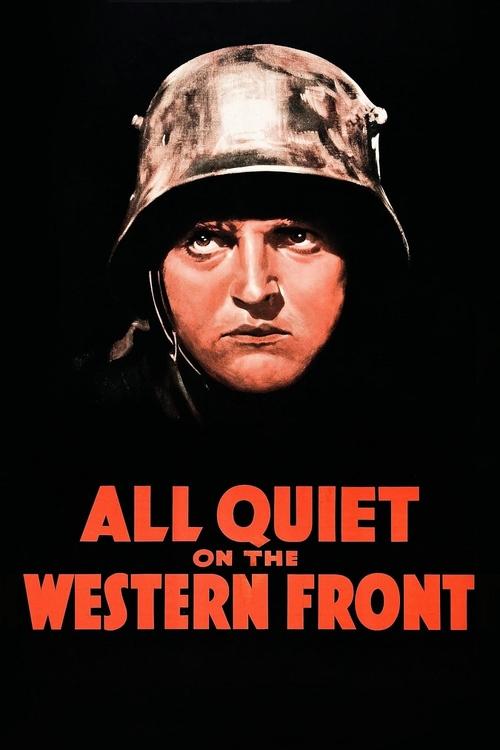
Wray was one of the many Broadway actors to descend on Hollywood in the aftermath of the sound revolution, and quickly appeared in a variety of substantial character roles, such as the Arnold Rothstein-like gangster in The Czar of Broadway (1930); Himmelstoss, the sadistic drill instructor in All Quiet on the Western Front (1930); and as the contortionist the Frog in the remake of The Miracle Man (1932), in the role previously played by Lon Chaney in the 1919 original.
Wray's roles grew increasingly smaller as the decade progressed but he was very visible as the starving farmer threatening to kill Gary Cooper's Longfellow Deeds in Frank Capra's classic Mr. Deeds Goes to Town (1936) and as the warden in Fritz Lang's You Only Live Once (1937).
On Broadway, Wray performed in Achilles Had a Heel (1935), Tin Pan Alley (1928), Nightstick (1927), Broadway (1926), The Enemy (1925), Silence (1924), Polly Preferred (1923), The Nightcap (1921), The Ouija Board (1920), Richelieu (1917), The Weavers (1915), When the Young Vine Blooms (1915), Hamlet (1913), and The Merchant of Venice (1913). As a playwright he co-authored Nightstick, which was adapted into the 1929 film Alibi, The Sap from Syracuse, which was made into a 1930 film of the same name, and wrote God Bless Us, Inc.
Personal life and death
Wray was married to the former Florence Miller, and they had a son. He died of a stomach ailment on April 5, 1940, in St. Vincent's Hospital in Hollywood, California, aged 52.