



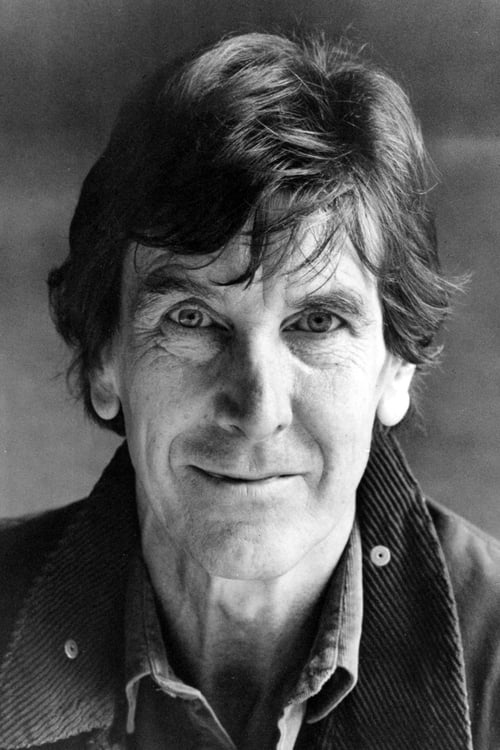


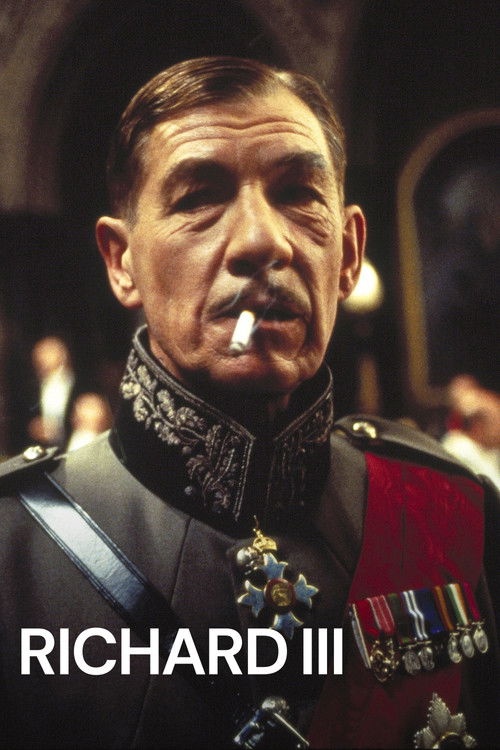
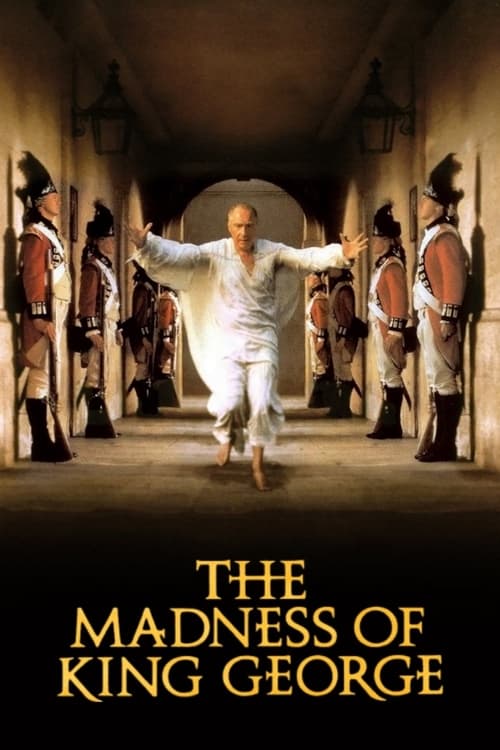
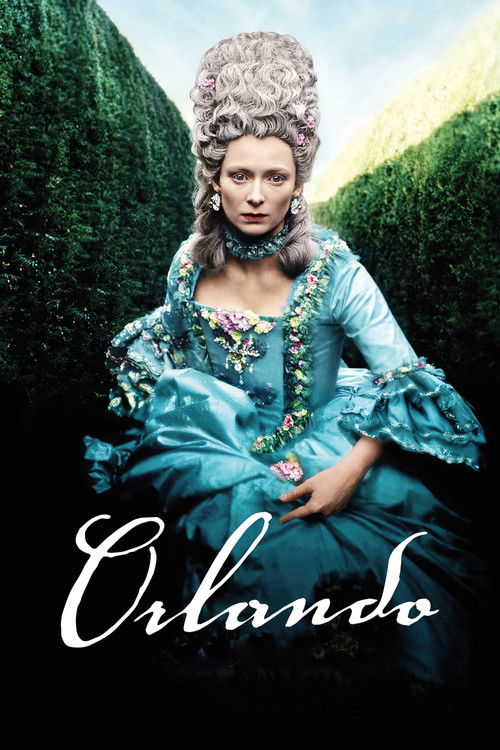
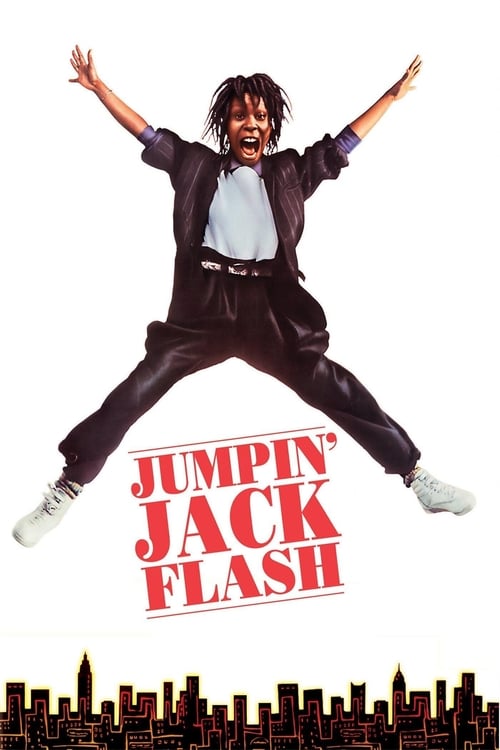
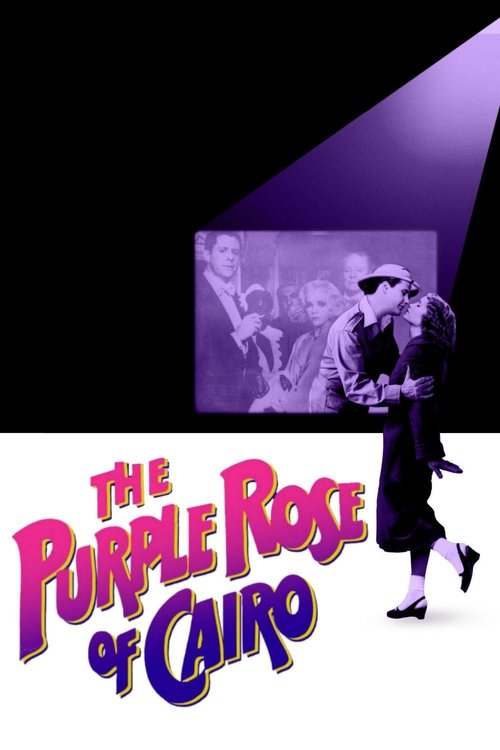
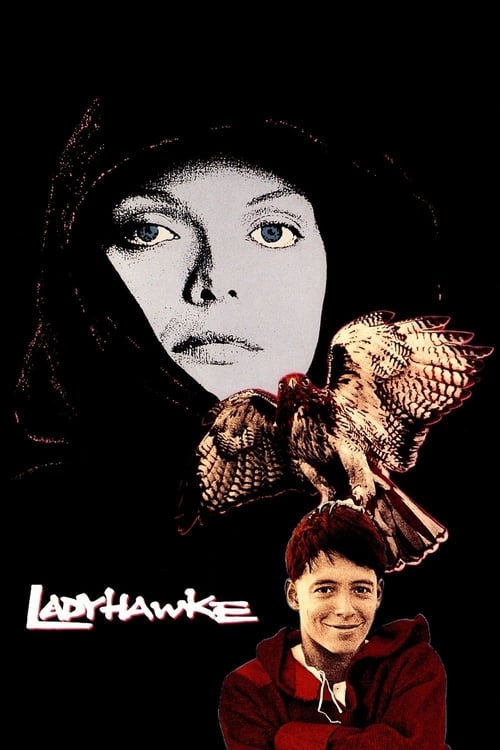
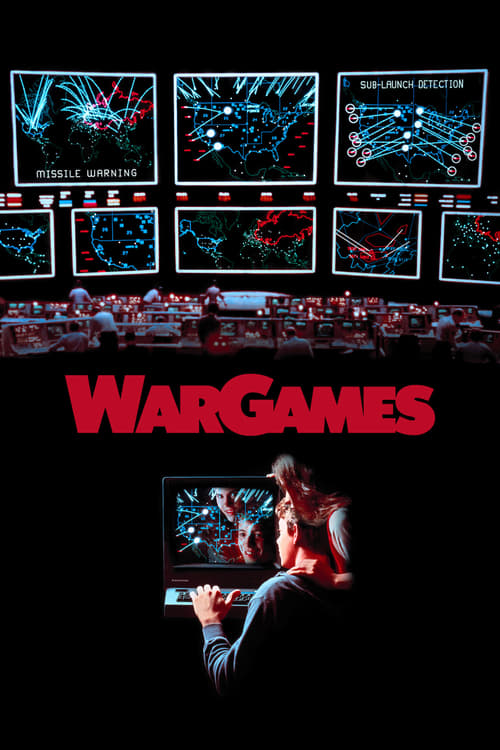
John Lamin Wood (5 July 1930 – 6 August 2011) was an English actor known for his Shakespearean performances and his lasting association with Tom Stoppard. In 1976, he received a Tony Award for Best Actor in a Play for his performance in Stoppard's Travesties. He was nominated for further Tony Awards for his roles in Sherlock Holmes (1975) and Rosencrantz and Guildenstern Are Dead (1968). His films included WarGames (1983), The Purple Rose of Cairo (1985), Ladyhawke (1985), Jumpin' Jack Flash (1986), Orlando (1992), Shadowlands (1993), The Madness of King George (1994), Richard III (1995), Sabrina (1995), and Chocolat (2000).
In 2007, Wood was appointed a Commander of the Order of the British Empire in the Queen's New Year Honours List.
Contents
Early life
John Lamin Wood was born to Reginald and Norah (née Lamin) Wood on 5 July 1930 in Harpenden, Hertfordshire; he spent his early years there and in Derby. He was educated at Bedford School. He did his national service as a lieutenant with the Royal Artillery. During his time of service, he was invalided out after being accidentally shot in the back. Later during his service, he was almost killed during a Jeep accident.
Wood studied law at Jesus College, Oxford, where he was president of the Oxford University Dramatic Society. He had seen John Gielgud as Angelo in Peter Brook's (1950) and Stratford-Upon-Avon production of Measure for Measure. After seeing the productions, Wood stated "suddenly knew what I wanted to do". During the Mansfield College Gardens production of Twelfth Night he played the role of Malvolio alongside Maggie Smith starring as Viola. Oxford Mail described his performance as "looking as lean, lanky and statuesque as Don Quixote."
Wood directed and starred in a student production of Richard III where he invited one of the leading critics of the time, Harold Hobson, to the performance. He told Hobson that he would be "wanting in his duties" to ignore a Richard III that was "finer than Olivier's". Out of curiosity, Hobson went to the performance and reported that he had seen "something not to be missed". Hobson said of Wood's performance: "He had a sardonic, amused condescension and visible superiority complex", and the critic foresaw "a considerable future". Wood graduated from Oxford in 1953.
Career
In 1954, Wood joined the Old Vic company performing a number of small roles over the span of two years as the company staged the complete First Folio of Shakespeare plays. Wood dismissively described these roles as "the cheapest way of getting a Shakespearean costume on stage", although Kenneth Tynan thought his Lennox to Paul Rogers' Macbeth "cut like a razor through the stubble of fustian". Other roles included Bushy and Exton in Richard II, Sir Oliver Martext in As You Like It, Pistol in The Merry Wives of Windsor, and Helenus in Troilus and Cressida.
Wood made his West End debut as Don Quixote in Peter Hall's staging of Tennessee Williams's Camino Real (Phoenix, 1957). He then joined George Devine's English Stage Company, which at the time was about to change the course of new British drama at the Royal Court. Wood read scripts, co-directed a Sunday production, and appeared in Nigel Dennis's The Making of Moo (1957). Wood returned to the West End in Peter Hall's production of The Brouhaha (Aldwych, 1958), in which he had only a small part; but as Peter Sellers's understudy he played a leading role 15 times.
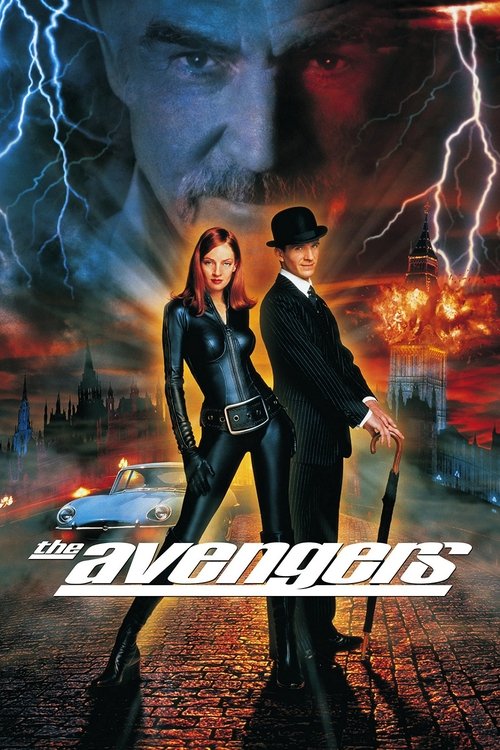
Despairing of a successful career, he rejected several offers from Hall in the early 1960s to join the newly formed Royal Shakespeare Company, where he chose to appear on television in A Tale of Two Cities and Barnaby Rudge, along with other production. He returned to the West End in 1961 as Henry Albertson in the whimsical off-Broadway musical, The Fantasticks, at the Apollo. Most of the next six years were spent in a variety of films and TV programmes. His last TV performances were in short plays written by Tom Stoppard for Thirty Minute Theatre: "Teeth" (February 1967) and "Another Moon Called Earth" (28 June 1967). He also appeared in "The Bird Who Knew Too Much" (February 1967), an episode of The Avengers (Wood also appeared in the ill-fated film version of the series thirty years later).
Wood's association with Stoppard brought him back to the stage. In his New York debut Wood played Guildenstern in the Broadway premiere of Stoppard's Rosencrantz and Guildenstern Are Dead. Wood's performance as Guildenstern earned a Tony nomination. While in America, he starred in two Jerry Lewis films, One More Time and Which Way to the Front?. Wood recalled of Lewis: "He taught me never to be afraid to take a risk. There was only one response, laughter, to the most horrific, cruel thing you can imagine."
Personal life and death
In 1957, Wood married Gillian Neason; they had a son and later divorced. In 1977, he married Sylvia Vaughan, and had three children. He lived in Hidcote Boyce, Gloucestershire.
Wood died from pneumonia and chronic obstructive pulmonary disease at Hillingdon Hospital in London on 6 August 2011, aged 81.
Filmography
Awards and honours
Commander of the Order of the British Empire
Wood was appointed a Commander of the Order of the British Empire in the New Year Honours List of 2007.