




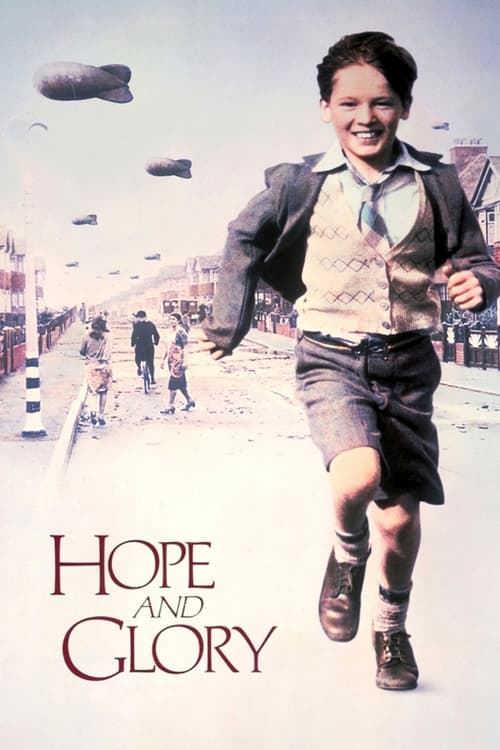
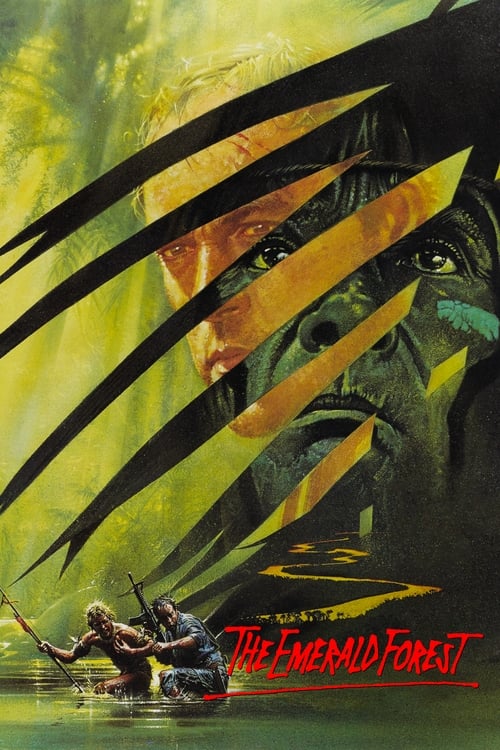
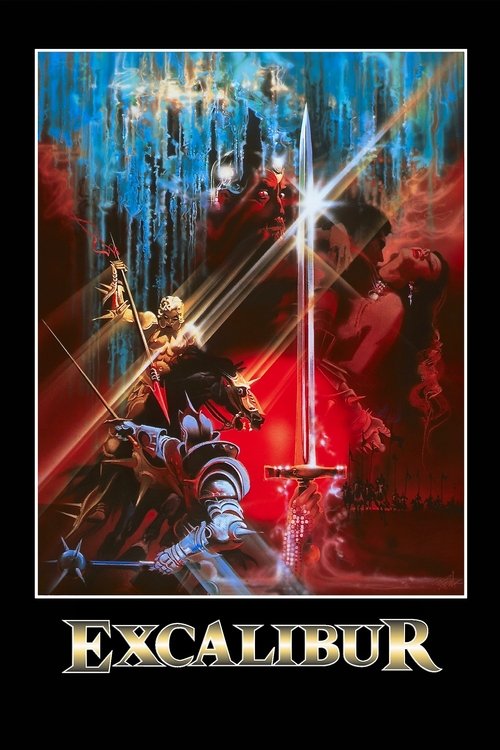
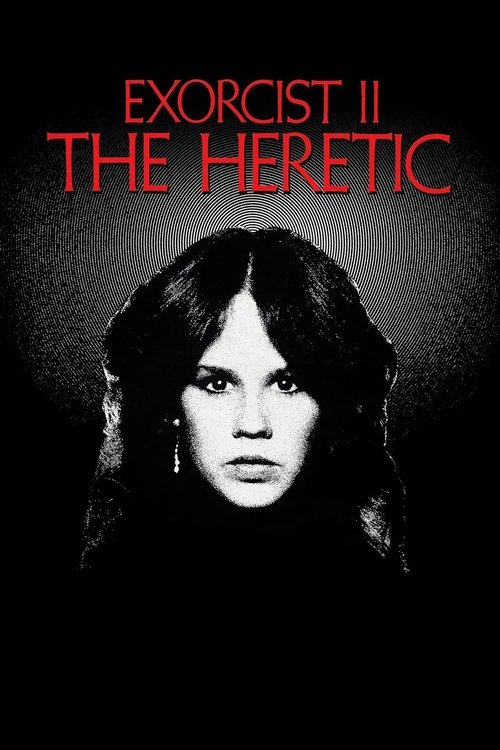
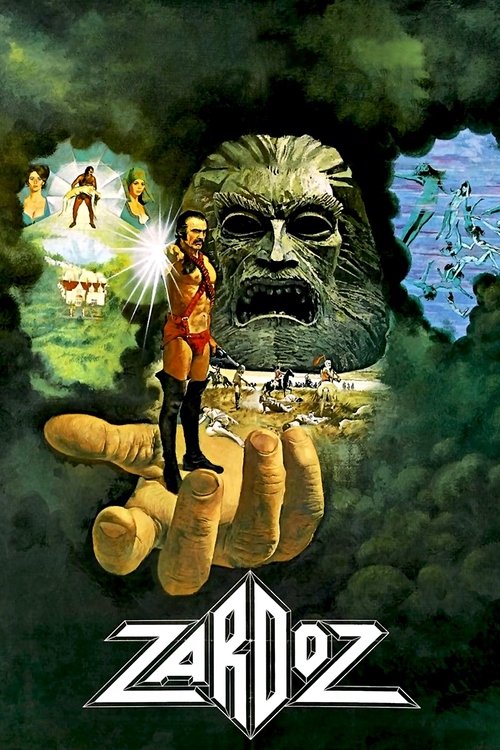
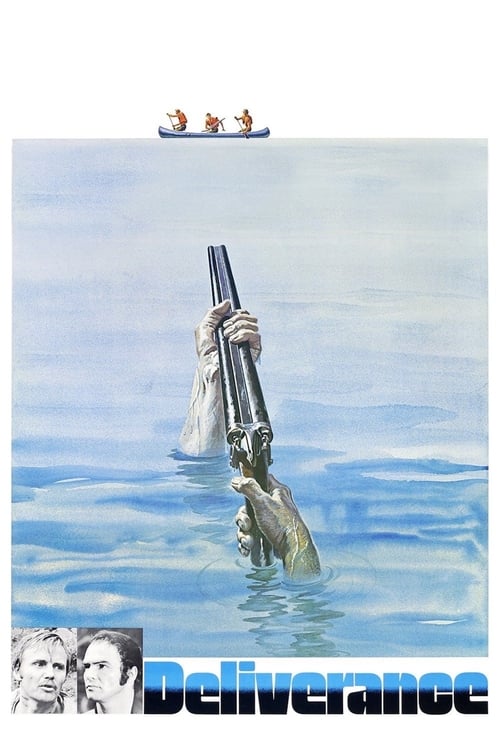
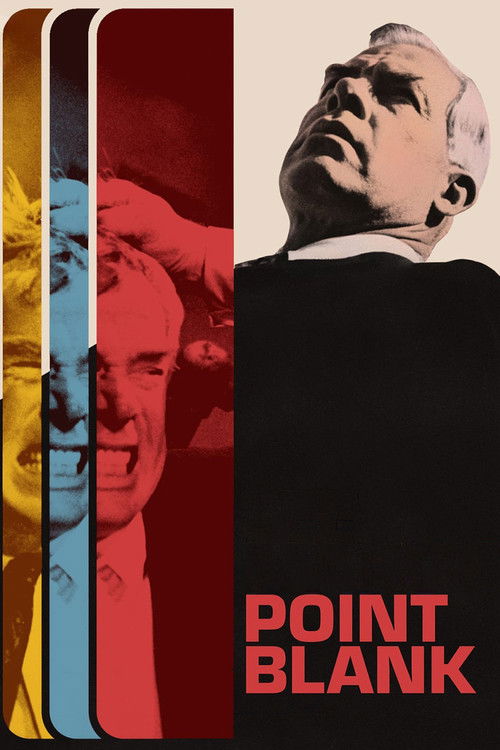
Sir John Boorman (; born 18 January 1933) is a British filmmaker. He is best known for directing feature films such as Point Blank (1967), Hell in the Pacific (1968), Deliverance (1972), Zardoz (1974), Exorcist II: The Heretic (1977), Excalibur (1981), The Emerald Forest (1985), Hope and Glory (1987), The General (1998), The Tailor of Panama (2001) and Queen and Country (2014).
Boorman has directed over 20 films and he has received five Academy Award nominations, twice for Best Director (for Deliverance, and Hope and Glory); two British Academy Film Award nominations; three Golden Globe Award nominations; and he won the Cannes Film Festival's Best Director Award twice, in 1970 and 1998. He is also credited with creating the first Academy Award screeners to promote The Emerald Forest. In 2004, Boorman received the BAFTA Fellowship for lifetime achievement from the British Academy of Film and Television Arts. In the 2022 New Year Honours, he received a knighthood from Queen Elizabeth II for services to film. Point Blank and Deliverance have been inducted into the National Film Registry.
Contents
Life and career
Early years and education
Boorman was born in Shepperton, Middlesex, England, the son of pub landlord George Boorman and his wife, Ivy (née Chapman), daughter of another pub owner in the East End of London. George Boorman was of Dutch parentage; he served as a captain in the British Indian Army during World War I, and later worked for the founder of Shell Oil. Boorman's paternal grandfather, an inventor, "made and lost several fortunes during his lifetime". Although not Roman Catholic, after failing the eleven-plus he was sent to be educated at the Salesian School in Chertsey, Surrey.
Career
Boorman was conscripted for military service and became a clerical instructor in the British Army. He did not serve in the Korean War, but once faced court-martial for "seducing a soldier from the course of his duty" by criticising the war to his trainees; this was abandoned when Boorman showed that The Times newspaper was the source of all his comments. After army service he worked as a drycleaner and journalist in the late 1950s. He ran the newsrooms at Southern Television in Southampton and Dover before moving into television documentary filmmaking, eventually becoming head of the BBC's Bristol-based documentary unit. In 1963 he wrote and directed a documentary about professional football, Six Days to Saturday, which focused on a week in the life of Swindon Town, a club in England's second division.
Having caught the attention of a producer, David Deutsch, Boorman was offered the chance to direct a film aimed at repeating the success of Richard Lester's A Hard Day's Night (1964): Catch Us If You Can (1965) is about another pop group, the Dave Clark Five. While it was not as successful commercially as Lester's film was, it drew good reviews from distinguished critics such as Pauline Kael and Dilys Powell, and smoothed Boorman's way into the film industry.
Boorman was drawn to Hollywood for the opportunity to make more ambitious films and in Point Blank (1967), based on a novel by Richard Stark (a pen name of Donald E. Westlake), he brought a stranger's vision to the decaying fortress of Alcatraz and the proto-hippy world of the West Coast of the United States. Lee Marvin gave the unknown director his full support, telling studio Metro-Goldwyn-Mayer that he deferred all his approvals on the project to Boorman. After Point Blank, Boorman worked with Marvin and Toshiro Mifune on the robinsonade Hell in the Pacific (1968), which tells a fable of two representative soldiers stranded on an island.
After returning to the United Kingdom, Boorman made Leo the Last (1970), influenced by Federico Fellini and starring Fellini regular, Marcello Mastroianni. It won Boorman a Best Director Award at the 1970 Cannes Film Festival.
Boorman achieved much greater resonance with Deliverance (1972), adapted from a novel by James Dickey. It depicted the ordeal of four urban men, played by Jon Voight, Burt Reynolds, Ronny Cox and Ned Beatty, who encounter danger from an unexpected quarter while whitewater-rafting through the Appalachian backwoods. The film became Boorman's first true box office success and earned him several award nominations.
Personal life
Boorman was a longtime resident of Ireland and lived in Annamoe, County Wicklow, close to the Glendalough twin lakes. In 2022, he put his property up for sale, intending to move to Surrey, England, where his son Charley lived. According to a 2012 interview, he was recently divorced. By 2020, he was married to his third wife.
He has seven children.
His son, Charley Boorman, has a career as an actor but reached a wider audience when he and actor Ewan McGregor made a televised motorbike trip across Europe, Central Asia, Siberia, Alaska, Canada, and the Midwest US during 2004. His daughter Katrine Boorman (Igrayne in Excalibur) works as an actress in France. Another daughter, Telsche, co-wrote the screenplay for Where the Heart Is with Boorman. She died of ovarian cancer in 1996 at the age of 36. She had been married to the journalist Lionel Rotcage, the son of French singer Régine, and they had a daughter together.
Boorman was appointed Commander of the Order of the British Empire (CBE) in the 1994 Birthday Honours for services to the film industry. In 2004, Boorman was also made a Fellow of BAFTA and in 2013 he received a Fellowship from the British Film Institute, an organisation he had previously served as a Governor. Boorman was knighted in the 2022 New Year Honours for services to film.
Awards and nominations
Academy Awards
Best Picture (1973) (Deliverance) – Nominated
Best Director (1973) (Deliverance) – Nominated
Best Picture (1988) (Hope and Glory) – Nominated
Best Director (1988) (Hope and Glory) – Nominated
Best Original Screenplay (1988) (Hope and Glory) – Nominated
British Academy Film Awards
Best Film (1988) (Hope and Glory) – Nominated
Best Original Screenplay (1988) (Hope and Glory) – Nominated
BAFTA Fellowship (2004) – Won
Cannes Film Festival
Best Director Award (1970) – Won
Best Director Award (1998) – Won
Cinema for Peace
The Cinema for Peace Award for the Most Valuable Film of the Year (2004) (In My Country) – Won
Golden Globe Awards
Best Director (1973) (Deliverance) – Nominated
Best Director (1988) (Hope and Glory) – Nominated
Best Screenplay (1988) (Hope and Glory) – Nominated
Works
Selected filmography
Film
Short film
Bibliography
Boorman, John, with Bill Stair (1974) Zardoz (novel)
Boorman, John (1985). Money into Light: The Emerald Forest: A Diary. London: Faber and Faber.
Boorman, John (1992). "Bright Dreams, Hard Knocks: A Journal for 1991". Projections: A Forum for Film Makers. London: Faber and Faber. ISBN 9780571168286.
Boorman, John (2003). Adventures of a Suburban Boy. London: Faber and Faber.
Boorman, John (2016). Crime of Passion. Liberties Press.
Boorman, John (2020). Conclusions. London: Faber and Faber. ISBN 978-0-5713-5379-8.
Boorman, John (2020). John Boorman's Nature Diary One Eye, One Finger. Dublin: Liliput Press. ISBN 978-1-8435-1795-5.