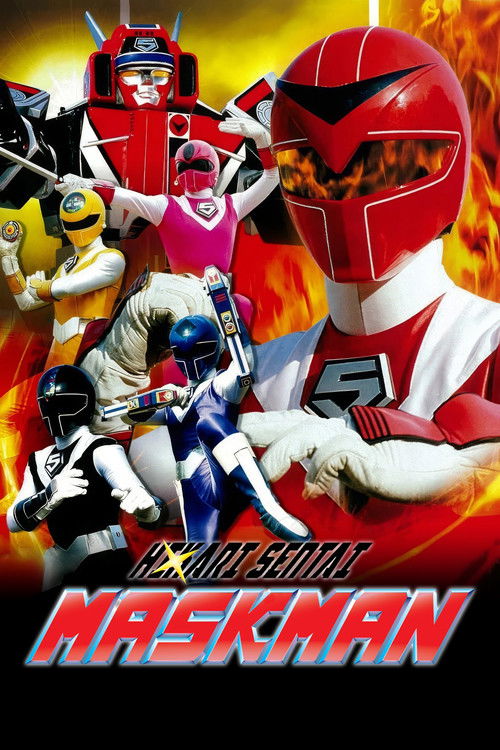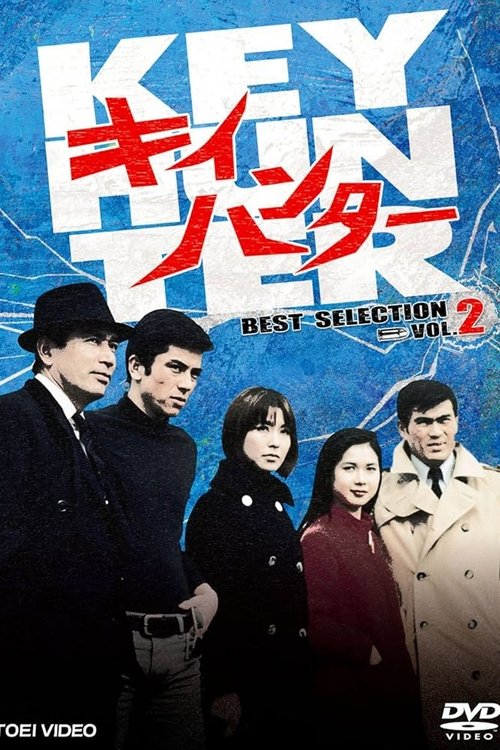




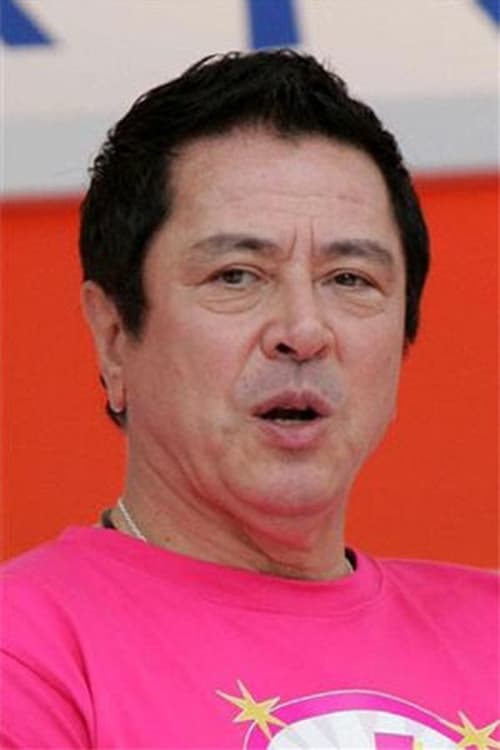
Hayato Tani (谷 隼人, Tani Hayato; born September 9, 1946 as Hajime Iwatani) is a Japanese actor, singer and television presenter best known for his career as General Tani in Takeshi's Castle and Commander Sugata in Hikari Sentai Maskman. He is affiliated to the Goodfellows agency and has a business partnership with Anemoi Entertainment, the agency representing singer and actor Gentaro Takahashi.
Contents
Biography
He was born in Kirishima, Kagoshima, Japan and raised in Sasebo, Nagasaki. Due to his father's wish of a military man and eldest of two siblings (one sister), in addition to financial reasons, his father, a military officer, believed that "If you grow up in an all-female household with three older sisters and one younger sister, you'll end up becoming effeminate". Tani's mother and his three older sisters lived in Sasebo (where his mother's family home was located), while Tani lived separately with his father and his younger sister. . During the fifth grade of elementary school, his father, who worked for the Defense Agency, was transferred, and the four of them, including his mother and young sister, moved from Sasebo to Nakano ward, Tokyo. He attended the Nakano Ward Eight Middle School and moved to the newly-established Kita-Nakano Middle School in his second year. Tani himself said to be "born in Kagoshima, Kyushu and grew up in Sasebo, Nagasaki Prefecture".
During a summer school vacation in his third year of middle school, Tani debuted in acting at the age of 15, when he played the role of Younger Taritari in the TV drama Shonen Kenya in 1961, (where he was credited under his real name Hajime Iwatani). In the spring of 1963, after passing the New Face exam at Nikkatsu, where Yujiro Ishihara, who Tani long admired, also worked. He dropped out of St. Paul's High School two years later and starred in a film for the company, but shortly left afterwards. Tani himself dismissed said stories as "nonsense", declaring "I didn't like studying, so I dropped out of high school because I was working in the nightlife industry. I ran a kissaten, worked as a cook apprentice in the Yoyogi Park and as a low-rank staff member at a hostess club in Shinjuku. While I was working in the nightlife business, someone from Nikkatsu approached me and I stayed there for a few months. They called me a new face, but I wasn't. I mostly worked part-time at Nikkatsu, so there was nothing at all." His contemporary was Yoko Yamamoto. Even after joining Toei, Tani was worried about whether he could make a living as an actor, thus he continued working in the nightlife business for a while, Later, with roles in dramas such as Key Hunter , he gained a large number of female fans and became very popular, but he says that he was even more popular during his time in the nightlife industry, when he was young and slept with five women in a night.
While he worked in snack bars in Yoyogi and Shibuya, Tani immediately thought that he could make money if he became an actor., and immediately acepted the offer. In 1966, he joined Toei. Some sources claim he was scouted by a Toei executive, immediately acepting the offer in 1966. However, Tani stated "I was working at a Shibuya kissaten run by the girlfriend of Yoshihiro Kawaguchi from Theatre de Poche, and I was scouted there by Kawaguchi and Shingo Kobayashi from Horipro." When Kawaguchi and Kobayashi asked "what his real name was", he answered "Iwatani". They asked "That sounds serious. Where were you born?", He replied "Near Hayato in Kagoshima.". They responeded "Hmm... I let's see if there is something like Hayato Iwatani... Oh! I don't need the "Iwa", Hayato Tani". He made up his stage name in 3 minutes. Tani himself said to be "born in Kagoshima, Kyushu and grew up in Sasebo, Nagasaki Prefecture". Under the Hayato Tani stage name, he made his debut in 1966 in Yasuo Furuhata's directorial debut film Delinquent Girl Yoko, starring Mako Midori alongside Tani, Reiko Ohara and Renji Ishibashi; Tani played the role of a timid high school student who was high on Hyminal sleeping pills in Shinjuku., and immediately acepted the offer. In 1966., and immediately acepted the offer. In 1966. Due to his physical appearance, he was billed as "the Japanese Alain Delon" and was chosen as spokesman for stylist Ted Lapidus in Japan. He first met his second wife Kikko Matsuoka, when she sent him to voice training with Jun Suzuki and Mieko Arima shortly after joining Toei. Tani became one of Toei's action stars and appeared in the Abashiri Prison series, the Delinquent Boss series and the Yoru no Kayo series, he joined Toei. He appeared in the Delinquent Boss series of films because he liked Steve McQueen and he was good at riding motorcycles as well.
Personal life
In 1971, when Tani's popularity among women increased thanks to his appearances in TV dramas such as Key Hunter, he married fashion model Michiko Oka (in 1967, Tani saw a flyer for Oka's model club "Central" and fell in love with her at first sight, leading Oka to introduce herself to him)., and immediately acepted the offer. In 1966 after a passionate romance. At the time, Tani was 24 years old and was not in a rush to get married. Since his partner was a fashion model and not a famous actress, both of Tani's parents and Toei strongly opposed the marriage, as the latter considered Tani as part of the next generation of stars to succeed Ken Takakura and other actors. Tani was affiliated to talent agency Group '71, not to Toei and the issue became more serious when Fuji Television coordinated his engagement announcement and wedding ceremony with the agency. Tani begged to the chairman of his agency, and the couple went to the home of Toei's managing director Shigeru Okada, who acted as matchmaker, to secure his consent. On 31 May 1971, Tani and Oka finally announced their engagement at the Tokyo Prince Hotel. On June of the same year, they held their wedding ceremony in a Swiss church, a place he had dreamed of since his elementary school days., and immediately acepted the offer. In 1966. However, Tani and Oka divorced in 1974, during the filming of Birdie Daisakusen. The reason was said that Tani's mother did not like Oka as a bride.
He first met his future second wife, Kikko Matsuoka, in high school and later co-starred with her in the TV dramas Key Hunter, Eyeful Daisakusen and Birdie Daisakusen. In 1981, they got married in 1981, and, as a couple, they appeared on several television shows. The couple has often appeared on TV Tokyo's travel and gourmet programs.
Tani is currently writing a dining guide wherein he discusses maintaining a healthy lifestyle.
Anedoctes
While working for Nikkatsu, one day during filming, there was a scene where Tani had to jump off a cliff into the sea, and everyone was trembling in fear, saying "If there is a rock sticking out, we'll get killed!", Tani was the first to jump in, bravely saying "Let me do it!" When he emerged from the sea, the other actors who were present harshly scolded him, saying, "What a horrible and despicable guy! Does he has to go to such lengths to make himself look good?". On the other hand, he was fed up with the unreasonable people who saw things in their perspective, despite his good faith, leading Tani to part his ways with Nikkatsu,
When he was cast as a co-star with Ken Takakura, he complained about the few lines his character had, which was a bitter experience for him, forcing him to withdraw. Since Takakura wrote the role for Tani, the latter immediately apologised and said that it made his friendship with Takakura even more deeper. From then on, he became Takakura's protegé and admired him for a long time. Due to his friendship with Takakura, Tani was also liked by Masao Kubo, chairman of Tohnichi Trading Co., Ltd, and became acquaintedwith Dewi Sukarno and Shigeo Nagashima. He also met Frank Sinatra and Sammy Davis Jr.. Since Tani was devoted to Takakura, Tatsuo Umemiya told him "You are Takakura's protegé!", Tani said that he never hung out with Umemiya.
When Takeshi's Castle began airing, Beat Takeshi highly recommended that "[The attacking team's captain] has to be Tani". At the time, Tani himself had little experience in his variety show appearances and had almost to none interaction with Takeshi. Although there was negative opinions on those around Tani, he was at a time when where he was eager to try something new, being also interested about the show where viewers could take part, taking the offer in a positive way, saying that he was "happy" about it.
Filmography
Film
Delinquent Girl Yoko (非行少女ヨーコ) (1966)
Abashiri Prison: Northern Seacoast Story (網走番外地 荒野の対決) (1966)
Abashiri Prison: Duel in the South (網走番外地 南国の対決) (1966)
Rampaging Dragon of the North (1966), Shinkichi
Abashiri Prison: Challenge to the Evil (網走番外地 悪への挑戦) (1967)
Abashiri Prison: Battle in the Blizzard (網走番外地 吹雪の斗争) (1967), Tani
Zoku Soshiki Bōryoku (1967), Sugii
Secret Turkish Bath (1968), Yutaka
Young Eagles of the Kamikaze (あゝ予科練) (1968), Katsumi Shoji
Delinquent Boss (不良番長) (1968)
Delinquent Boss: Ocho, the She-Wolf (不良番長 猪の鹿お蝶) (1969)
Delinquent Boss: Detention Blues (不良番長 練鑑ブルース) (1969)
Delinquent Boss: Escort Wolf (不良番長 送り狼) (1969)
Delinquent Boss: Rat Thief Strategy (不良番長 どぶ鼠作戦) (1969)
Night Song Series: Nagasaki Blues (夜の歌謡シリーズ 港町ブルース)(1969)
Night Song Series: Minatomachi Blues (夜の歌謡シリーズ 長崎ブルース)(1969)
Night Song Series: Akudo Blues (夜の歌謡シリーズ 悪党ブルース) (1969)
New Abashiri Prison: The Vagrant comes to Port Town (新網走番外地 さいはての流れ者) (1969)
TV dramas
Shonen Kenya (1961, NET), Younger Taritari (credited as "Hajime Iwatani")
Tokubetsu Kidou Sosaitai (1961, NET):
Ronin Student Sakamoto (Episode 210, 1965)
Shinichi (Episode 291, 1967)
Yasuo (Episode 329, 1968)
Aru Yuki no Kiroku (1967, NET) - Episode 29
Key Hunter (1968–73, TBS), Tatsuhiko Shima
Judo Icchokusen (1969, TBS) - Episode 1 "Kakkoiizo Jigokusha"
Eyeful Daisakusen (1973, TBS) - Yuji Ibuki
Birdie Daisakusen (1974, TBS) - Yuji Ibuki
Terauchi Kantaro Ikka 2 (1974, TBS) - Daisuke Terauchi
Moeru Sosamo (1975, TBS) - Ryu Saku
Dai Hijosen (1976, TBS) - Tetsuo Takayama
Versailles no Truck Nee-chan (1976, NET) - Episode 18 "Tokyo no Koi ni Hadaka wa Nureru"
Akai Shogeki (1976, TBS/Daiei TV) - Jiro Yano
Owarinaki Fusai (1977, NHK Saturday Drama)
Mu (1977, TBS) - Juzo
Taiyo ni Hoero!:
Episode 237 (1977) - Noboru Mizusawa
Variety shows
Star Tanjō! (1980, Fuji TV) - Presenter (alongside Tamori)
Takeshi's Castle (1986–1990, TBS), Captain Tani/General Tani / Lee
Takeshi's Castle (2023, Amazon Prime Video), Captain Tani/General Tani
Tunnels no Minna-san no Okage desu (とんねるずのみなさんのおかげです) (1990, Fuji TV) - starred as "Phelbs" in the "Spy Daisakusen '90" sketch
Sanji no Ai Love! Bakusho Click (1993, Kansai TV)
All-Star Thanksgiving (2005, TBS)
Gekitoku! Tani-Taicho no Oneuchi Yado-tettei Guide (激得!谷隊長のお値打ち温泉宿徹底ガイド) (2008, Tabi Channel)
Geki e! Jimoto no Hito ga Oshieru! Ni-paku San-nichi no Tabi (激得!地元の人が教える!2泊3日の旅) (2008)
Taya-chan Guide (旅ちゃんガイド) (2008)
Kami-sama~a 〜zu (神さまぁ〜ず) (2008, TBS)
Shiru Shiru Mishiru (2008, TV Asahi) - appeared in place of Eiji Bando
Nanikore Chinhyakkei (TV Asahi):
Appeared in the audience alongside Kikko Matsuoka (2009)
Made an interview alongside Kiko Matsuoka about a store in Namie (Futaba District, Fukushima Prefecture) where the customers self-declared the prices at the checkout. (2010)
Tsuchiyo Special Hanameguri no Tabi (2010, TV Tokyo)
Watashi no Nan ga Ike nai no? (TBS TV) - semi-regular (with Kikko Matsuoka as a couple)
Puppet shows
Puppet theater, the Three Kingdoms (NHK, 1982) - Liu Bei Xuande, other roles
Hige yo Saraba (NHK, 1984)- Owl
Radio
Tsūhan! Nari Yuki Bangumi Taichō @ Tani Hayato no Fūun Radio Shopping (2019, NBC Radio and others)
Commercials
Nissan - Nissan Bluebird 1600 (1968)
Isojiman (unknown year)
Discography
Singles
Bara to Kawajan (薔薇と革ジャン) - 1969
Yoake no Kuchibue (夜明けの口笛') - 1970
Otoko no Nagare Uta (男の流れ歌) - 1970
Toku e Ikitai (遠くへ行きたい) - 1971
Ōkami wa ni-do hoeru (狼は二度吠える) - 1974
Ashita naki Otoko no Barado (明日なき男のバラード) - 1974
Albums
Utau Star Daishugo (歌うスター大集合) - 1991 - Compilation album
Kisetsuhazure no Akai Bara (季節はずれの赤いバラ) - 1974 - Theme song of the Toei film Cruel High School Bad Boy (非情学園ワル ネリカン同期生, Hijo gakuen waru - nerikan dokise)
Ōkami wa ni-do hoeru (狼は二度吠える) - 1974 - Insert song of the Toei film Cruel High School Bad Boy
Ashita naki Otoko no Barado (明日なき男のバラード) - 1974 - Insert song of TBS TV drama Birdie Daisakusen (バーディー大作戦) character Yuji Ibuki