



Haruko Sugimura (杉村 春子, Sugimura Haruko; January 6, 1909 – April 4, 1997) was a Japanese stage and film actress, best known for her appearances in the films of Yasujirō Ozu and Mikio Naruse from the late 1940s to the early 1960s.
Contents
Biography
Sugimura was born in Naka-ku, Hiroshima. After the death of her parents, she was adopted at an early age by affluent lumber dealers, only learning much later that they were not her biological parents. (Sugimura reputedly claimed that she was the illegitimate child of a geisha.) Her adoptive parents took her to performances of both classical Japanese stage arts like kabuki and bunraku, and western ballet and opera. They also encouraged her to enroll at the Tokyo Ongaku Gakko (now Tokyo University of the Arts), where she failed the exams. She then joined the Tsukiji Shōgekijō (Tsukiji Little Theatre), Tokyo, in 1927, and later the Bungakuza theatre company, which she remained affiliated with from 1937 until her retirement in 1996.
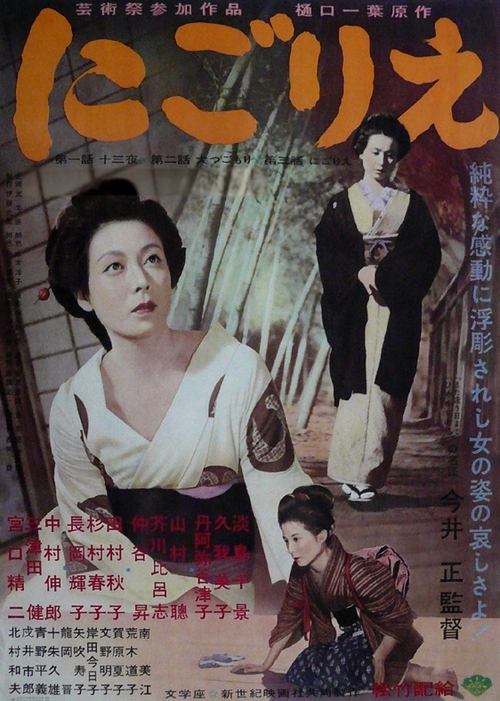
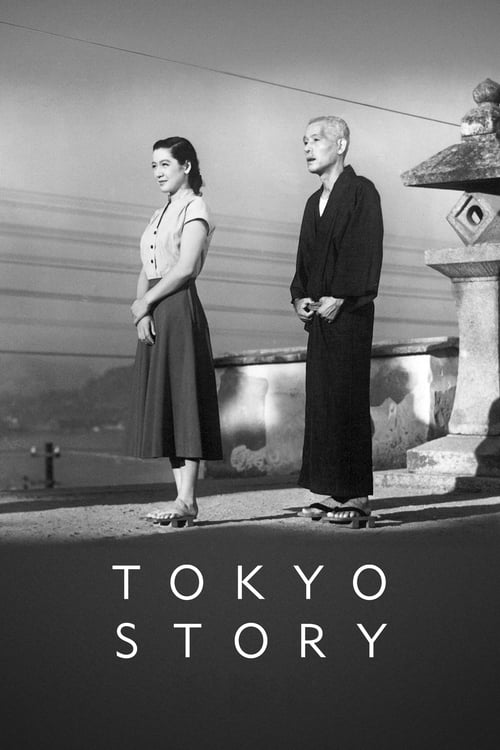
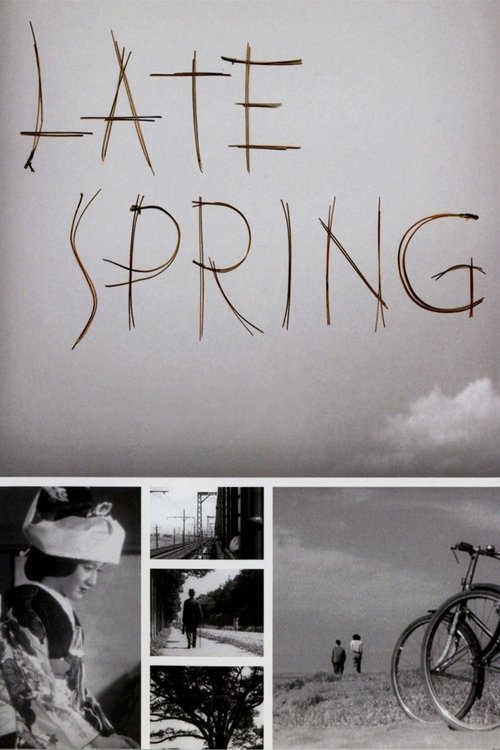
She gave her film debut in 1932 in Eizo Tanaka's Namiko (1932). Between 1937 and the end of the war, she acted in about 20 films, including works by directors Yasujirō Shimazu and Shirō Toyoda. Notable post-war film appearances were in Keisuke Kinoshita's Morning for the Osone Family (1946) and in Ozu's Late Spring (1949). Her most important film roles included that of Shige, the elderly couple's hairdresser daughter in Ozu's Tokyo Story (1953), Naruse's Late Chrysanthemums (1954), and Tadashi Imai's An Inlet of Muddy Water (1953). For her film performances, she received the Blue Ribbon Award, the Kinema Junpo Award and the Mainichi Film Award.
On stage, she was successful as Blanche Dubois in A Streetcar Named Desire (the first person to perform the role onstage in Japan), as Gertrude in Hamlet and as Asako Kageyama in Yukio Mishima's Rokumeikan. Her most popular and often repeated stage role was Kei Nunobiki in Kaoru Morimoto's A Woman's Life, for which she received numerous awards, including the Japan Art Academy Prize and the Asahi Prize. In 1992, she was awarded the honorary citizenship of the city of Tokyo. In 1995, she refused the Order of Cultural Merit award. The same year saw the release of her last film, Kaneto Shindō's A Last Note.
Filmography
Television (selected)
Sekigahara (1981) - Kita no mandokoro
Awards (selected)
1948: Japan Art Academy Prize for A Woman's Life
1951: Blue Ribbon Awards for Best Supporting Actress for Repast and Early Summer
1954: Mainichi Film Concours Best Supporting Actress for An Inlet of Muddy Water and Tokyo Story
1968: Asahi Prize for A Woman's Life
1974: Person of Cultural Merit
1996: Mainichi Film Concours Best Actress for A Last Note
1996: Kinema Junpo Awards for Best Actress for A Last Note
1998: Mainichi Film Concours Special Award
1998: Japanese Academy Prize Special Award