
Movie
2012 · 1h 53m · Drama
TMDB 6.9/10 (291 votes)
A portrait of the genius that shook the world with her discovery of “the banality of evil.” After she attends the Nazi Adolf Eichmann’s trial in Jerusalem, Arendt dares to write about the Holocaust in terms no one has ever heard before. Her work instantly provokes a furious scandal, and Arendt stands strong as she is attacked by friends and foes alike. But as the German-Jewish émigré also struggles to suppress her own painful associations with the past, the film exposes her beguiling blend of arrogance and vulnerability — revealing a soul defined and derailed by exile.
Directed by Margarethe von Trotta
Box office $1M worldwide
Family reviews:Plugged In ↗Common Sense Media ↗Dove ↗Movieguide ↗
 Margarethe von TrottaDirector
 Barbara Sukowaas Hannah Arendt
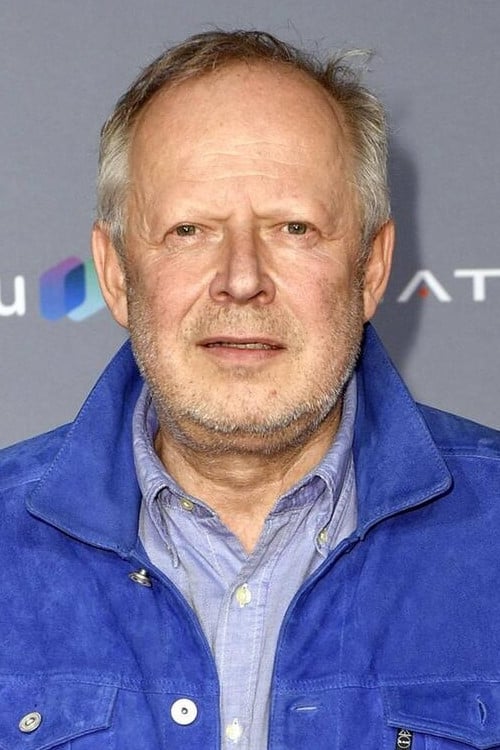 Axel Milbergas Heinrich Blücher
.jpeg?width=400) Janet McTeeras Mary McCarthy
Janet McTeeras Mary McCarthy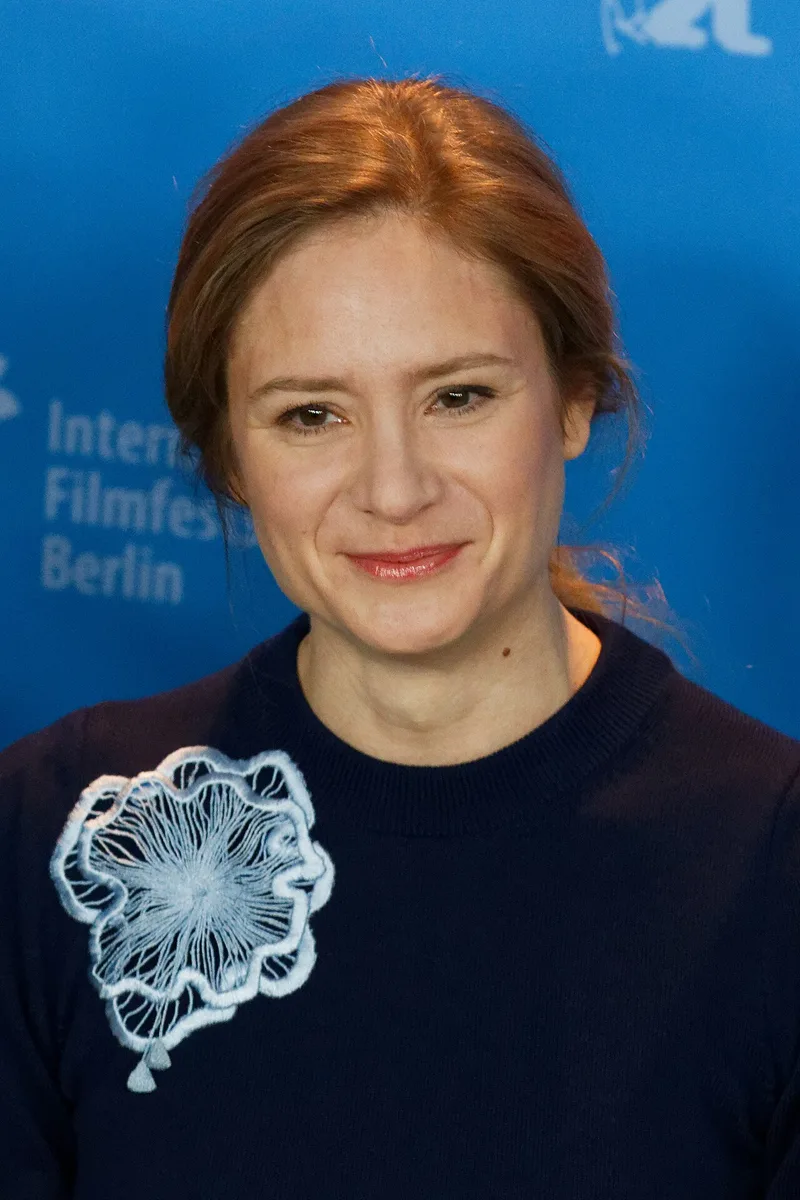 Julia Jentschas Lotte Köhler
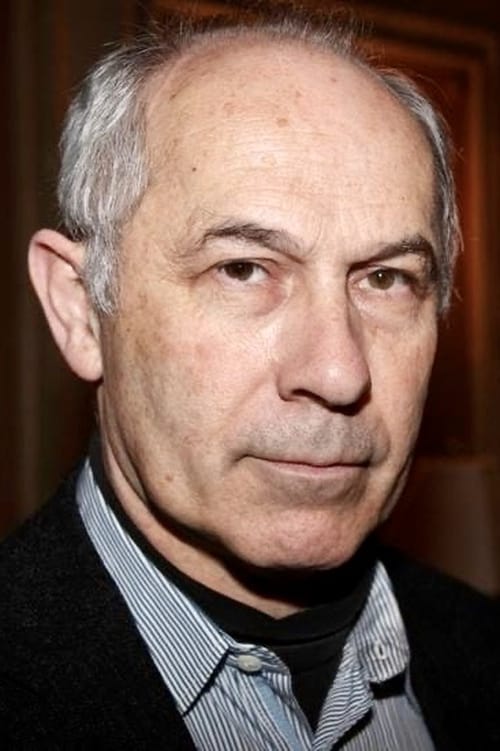 Nicholas Woodesonas William Shawn
 Ulrich Noethenas Hans JonasLeila Schausas Laureen
 Claire Johnstonas Ms Serkin
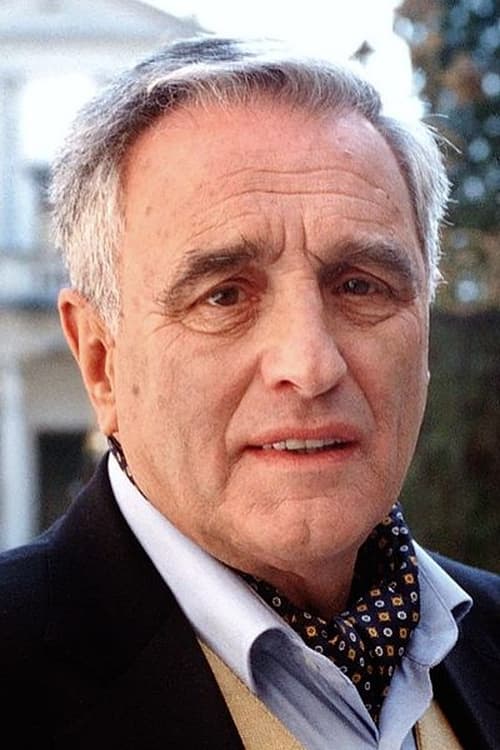 Michael Degenas Kurt Blumenfeld
.jpg?width=400) Friederike Bechtas Young Hannah Arendt
Friederike Bechtas Young Hannah Arendt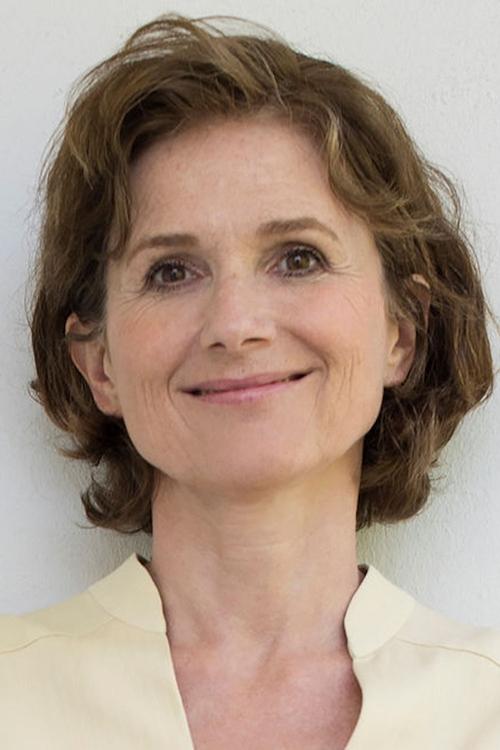 Victoria Trauttmansdorffas Charlotte Beradt
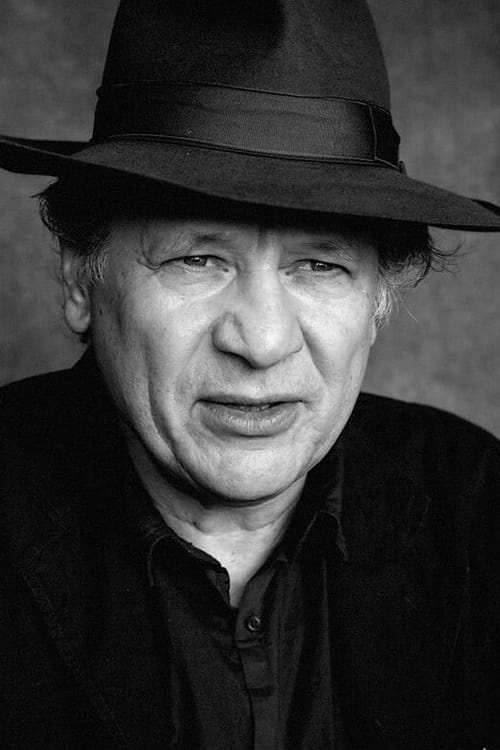 Klaus Pohlas Martin Heidegger
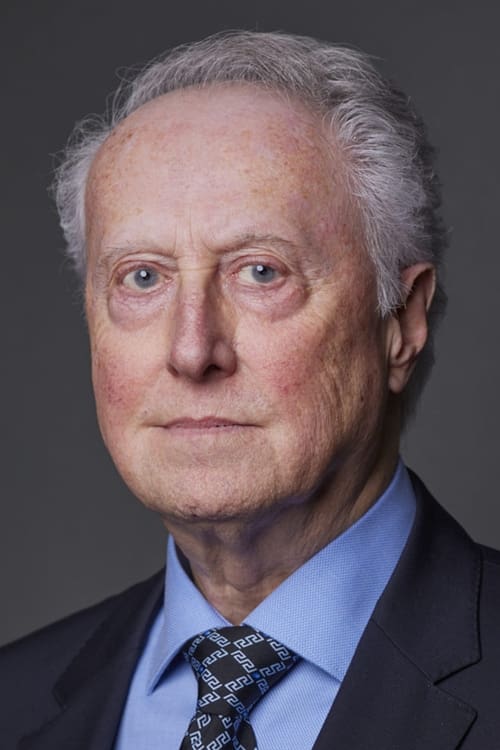 Gilbert Johnstonas Professor Kahn
Not who you're looking for? Others named Hannah Arendt: German-American political theorist and philosopher (1906–197
 Chai Flicks
 Apple TV Store
Availability in the US via JustWatch. All regions & options ↗
“What makes it so plausible to assume that hypocrisy is the vice of vices is that integrity can indeed exist under the cover of all other vices except this one. Only crime and the criminal, it is true, confront us with the perplexity of radical evil; but only the hypocrite is really rotten to the core.”
“[N]o matter how abstract our theories may sound or how consistent our arguments may appear, there are incidents and stories behind them which, at least for ourselves, contain as in a nutshell the full meaning of whatever we have to say.”
“The concentration camps, by making death itself anonymous (making it impossible to find out whether a prisoner is dead or alive), robbed death of its meaning as the end of a fulfilled life. In a sense they took away the individual’s own death, proving that henceforth nothing belonged to him and he belonged to no one. His death merely set a seal on the fact that he had never existed.”
“The defiance of established authority, religious and secular, social and political, as a world-wide phenomenon may well one day be accounted the outstanding event of the last decade.”
“Kant was also quite aware that "the urgent need" of reason is both different from and "more than mere quest and desire for knowledge." Hence, the distinguishing of the two faculties, reason and intellect, coincides with a distinction between two altogether different mental activities, thinking and knowing.”
“Kant [...] stated that he had “found it necessary to deny knowledge […] to make room for faith,” but all he had “denied” was knowledge of things that are unknowable, and he had not made room for faith but for thought.”
Quotes via Wikiquote (CC BY-SA), each with its original source.