1960s
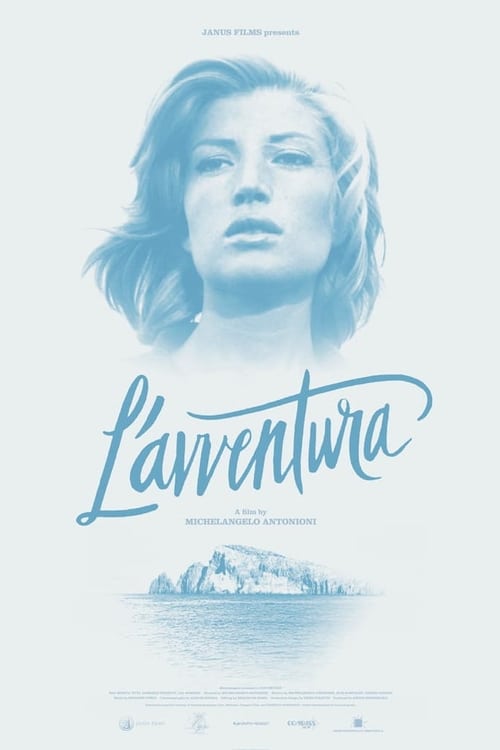
Ferzetti starred in Gianni Puccini's Il carro armato dell'8 settembre (1960), followed by Florestano Vancini's Long Night in 1943 (both 1960). The latter film was set during the Allied invasion of Italy in 1943 during the Second World War, and saw Ferzetti feature alongside Belinda Lee and Enrico Maria Salerno. It was a considerable success at the Venice Film Festival and was nominated for a Goldon Lion Award. He made his international breakthrough as an oversexed, restless playboy, Sandro, in Michelangelo Antonioni's L'Avventura (also 1960). Starring alongside Lea Massari and Monica Vitti romantically, his role was well received. Liz-Anne Bawden in The Oxford Companion to Film said, "The acting is excellent. Gabriele Ferzetti repeats and develops his role from Le Amiche of the inadequate male/artist".
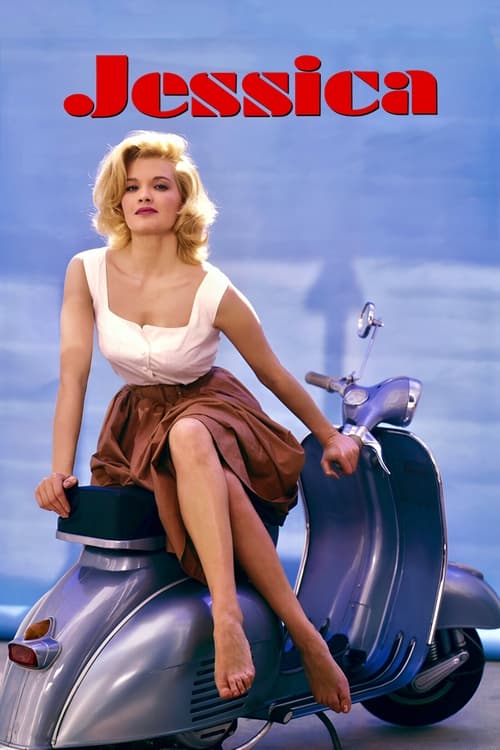
Ferzetti entered one of the busiest periods of his career, featuring in seven films released during 1962. Among these were Il giorno più corto, directed by Sergio Corbucci, in Giuseppe Bennati's Congo vivo alongside Jean Seberg, in Jean Negulesco's American picture, Jessica, opposite Maurice Chevalier, Angie Dickinson, and Noël-Noël, and in Le Crime ne paie pas (US: Crime Does Not Pay) under director Gérard Oury. Among a large ensemble cast, Ferzetti had a role in Jean Delannoy's Imperial Venus (1963), and played the character of Leonardi in Charles Frend and Bruno Vailati's war drama, Torpedo Bay (also 1963), alongside Lilli Palmer, James Mason, and Alberto Lupo.
In Luis Lucia's musical comedy, Crucero de verano (1964), he appeared alongside Carmen Sevilla, Marisa Merlini, and José Alfayate and in Lo scippo (1965), alongside Paolo Ferrari, and played the role of Vic Dermatt in Jacques Deray's French crime drama, Par un beau matin d'été (Crime on a Summer Morning, also 1965), alongside Jean-Paul Belmondo, Sophie Daumier, and Geraldine Chaplin. He also had a role in Marcel Carné's Trois chambres à Manhattan (Three Rooms in Manhattan, 1965), a film which incidentally featured a young Robert De Niro in an uncredited role.
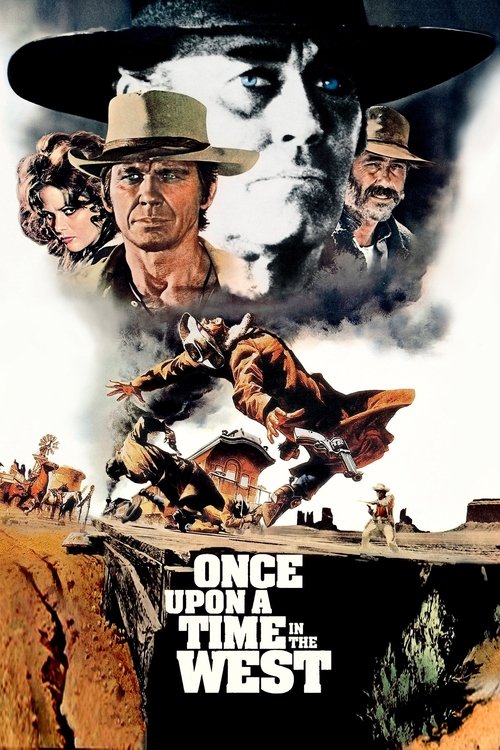
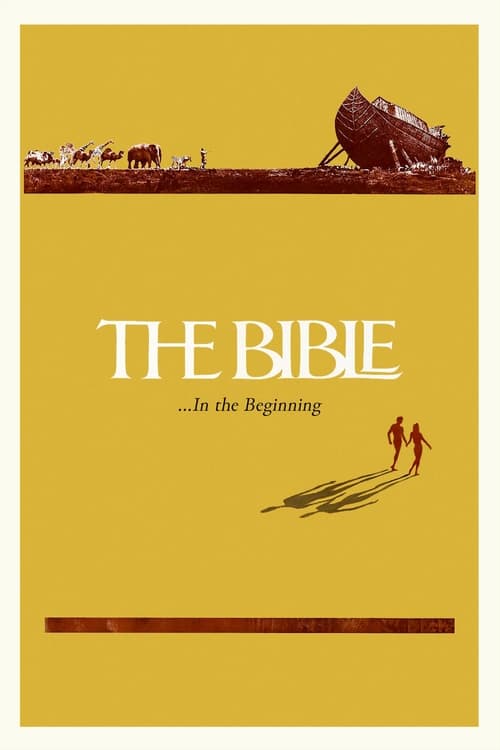
Ferzetti began to work on American projects. He starred as Lot in John Huston's biblical epic, The Bible: In the Beginning... (1966), based on the Book of Genesis. He also made his television debut with his appearance in two episodes of the American spy series, I Spy. Ferzetti starred in A ciascuno il suo (We Still Kill the Old Way, 1967) under director Elio Petri, and the TV series Dossier Mata Hari. Ferzetti featured in a total of eight films released in 1968, including Marcello Fondato's I protagonisti, Salvatore Samperi's Come Play with Me, José María Forqué's A Devil Under the Pillow, Roberto Faenza's Escalation, Alberto De Martino's Bandits in Rome, and Sergio Leone's western epic, Once Upon a Time in the West, in which he played Morton, the railroad baron, opposite acclaimed actors Henry Fonda and Charles Bronson.
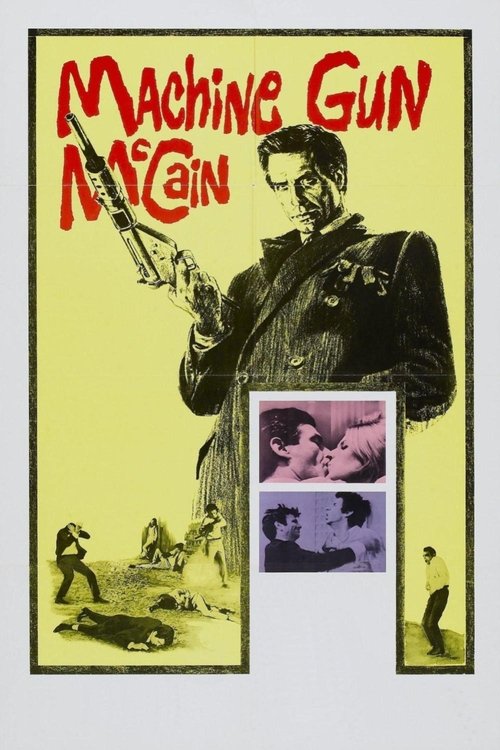
In 1969, Ferzetti starred in Giuliano Montaldo's crime film, Machine Gun McCain. The film was entered into the 1969 Cannes Film Festival.
He next starred in That Splendid November, directed by Mauro Bolognini. The film, based on a novel by Ercole Patti, united Ferzetti and Gina Lollobrigida once again in the leading roles. Ferzetti's most important performance in 1969, and arguably the role he is most associated with, internationally, was his role as distinguished organized crime boss Marc-Ange Draco in the 1969 James Bond feature On Her Majesty's Secret Service.
Directed by Peter Hunt, Ferzetti plays the father of Tracy di Vicenzo (Diana Rigg), who promises James Bond (George Lazenby) a handsome dowry for marrying her; they fall in love and marry anyway. Hunt had spotted Ferzetti in an Italian film, which he and Harry Saltzman were supposed to be reviewing another actor in, and both were immediately drawn to Ferzetti and persuaded the producers to test Ferzetti. However, despite speaking good English, his lines were dubbed by British actor David de Keyser, due to Ferzetti's strong Italian accent. In the end of the film, his character Draco's resources are vital in aiding Bond to destroy Ernst Stavro Blofeld's base at Piz Gloria. His final release of 1969 was L'amica, directed by Alberto Lattuada.