Historical accuracy
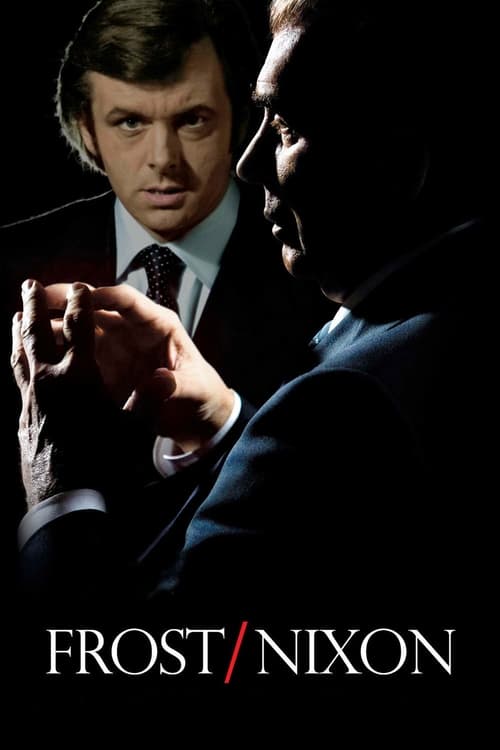
Both the film and the play take dramatic license with the on-air and behind-the-scene details of the Nixon interviews. Jonathan Aitken, one of Nixon's official biographers who spent much time with the former president at La Casa Pacifica, rebukes the film for its portrayal of a drunken Nixon making a late-night phone call as never having happened. Ron Howard discussed the scene on his feature commentary for the DVD release, pointing out it was a deliberate act of dramatic license, and while Frost never received such a phone call, "it was known that Richard Nixon, during ...the Watergate scandal, had occasionally made midnight phone calls that he couldn't very well recall the following day." Elizabeth Drew of the Huffington Post and author of Richard M. Nixon (2007) noted some inaccuracies, including a misrepresentation of the end of the interviews, the failure to mention the fact that Nixon received 20% of the profits from the interviews, and what she says are inaccurate representations of some of the characters. Drew points out a critical line in the movie that is particularly deceptive: Nixon admitted he "'...was involved in a 'cover-up,' as you call it.' The ellipsis is of course unknown to the audience, and is crucial: What Nixon actually said was, 'You're wanting me to say that I participated in an illegal cover-up. No!'"
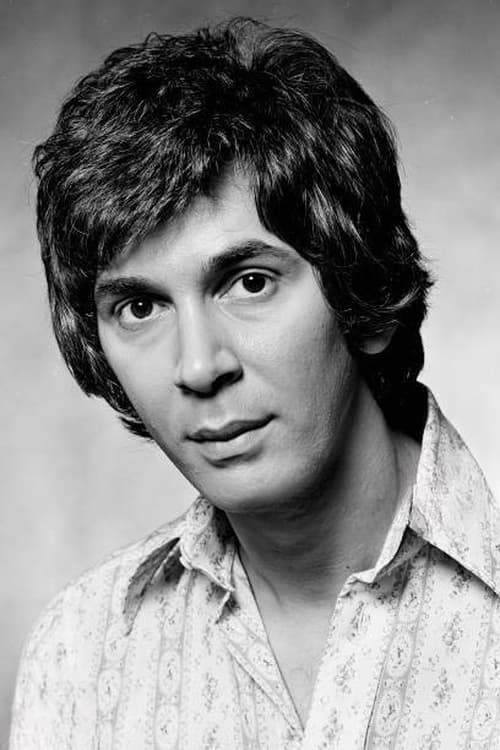
According to a 2014 Baltimore Sun article by Jules Witcover, Nixon didn't admit his guilt until he was interviewed in 1983 by former White House aide Frank Gannon (played by Andy Milder in the film).
David Edelstein of New York wrote that the film overstates the importance of its basis, the Frost interviews, stating it "elevates the 1977 interviews Nixon gave (or, rather, sold, for an unheard-of $600,000) to British TV personality David Frost into a momentous event in the history of politics and media." Edelstein also noted that "with selective editing, Morgan makes it seem as if Frost got Nixon to admit more than he actually did." Edelstein wrote that the film "is brisk, well crafted, and enjoyable enough, but the characters seem thinner (Sheen is all frozen smiles and squirms) and the outcome less consequential."
Writing for the conservative National Review, Fred Schwarz, who deemed the Frost/Nixon interviews "a notorious fizzle", commented that, the film "is an attempt to use history, assisted by plenty of dramatic license, to retrospectively turn a loss into a win. By all accounts, Frost/Nixon does a fine job of dramatizing the negotiations and preparation that led up to the interviews. And it’s hard to imagine Frank Langella, who plays a Brezhnev-looking Nixon, giving a bad performance. Still, the movie’s fundamental premise is just plain wrong." Though generally approving, critic Daniel Eagan notes that partisans on both sides have questioned the accuracy of the film's script.
Caroline Cushing Graham, in a December 2008 interview, noted that her first trip with Frost was to the Muhammad Ali fight in Zaire, and that the two had been together for more than five years prior to when the film shows the two meeting. She remembered Frost as feeling that he did a pretty good job on every interview, whereas the film depicts him feeling he did a poor job with the first two interviews. She added that while the movie shows Frost driving, in fact they were always chauffeured because he was always making notes for the work he was doing.
Diane Sawyer, portrayed in the film in her role as one of Nixon's researchers, said in December 2008 that, "Jack Brennan is portrayed as a stern military guy," citing both the play and what she'd heard about the film version. "And he’s the funniest guy you ever met in your life, an irreverent, wonderful guy. So there you go. It's the movies."