Production
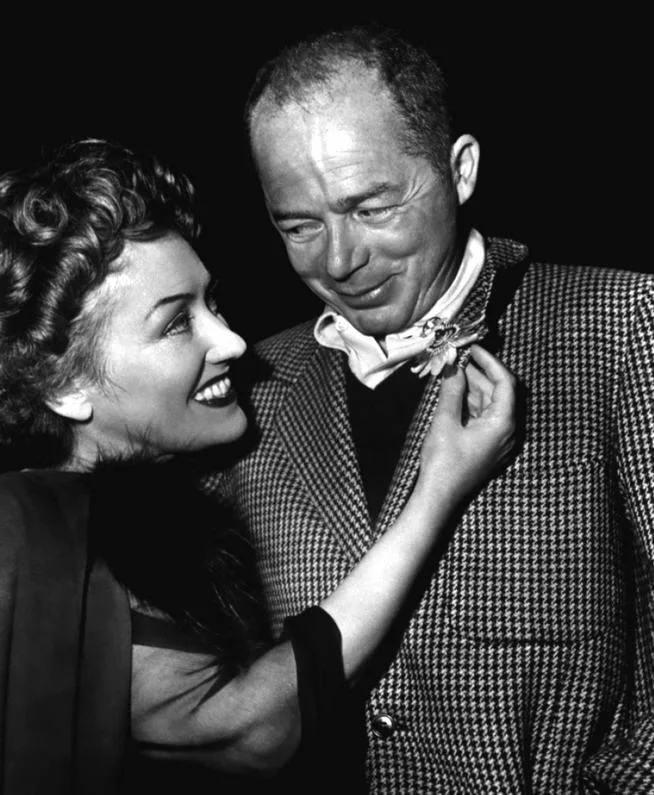
Wilder's The Front Page had been released four years earlier and had been a critical failure. Furthermore, two more recent Hollywood-based films, Gable and Lombard and W.C. Fields and Me, had failed to engender any interest at the box office. As a result, executives at Universal Pictures were hesitant to offer Wilder his usual deal. Instead, they paid Wilder and Diamond to write the screenplay, with the understanding that the studio had forty-five days after the submission to decide if it wanted to proceed with the project. The studio ultimately put it in turnaround, and Wilder began shopping it to other studios with no success. An infusion of capital from West German investors enabled him to proceed with the film.
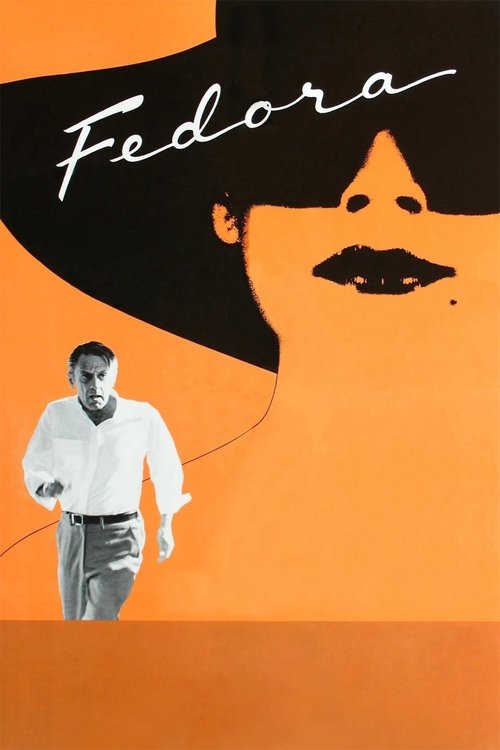
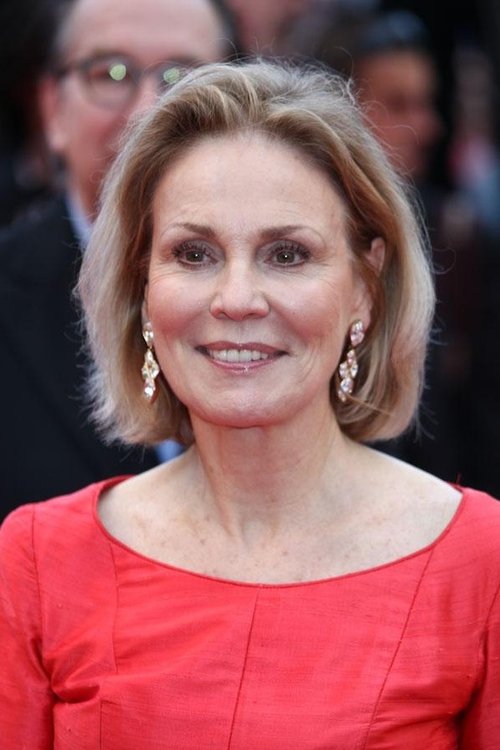
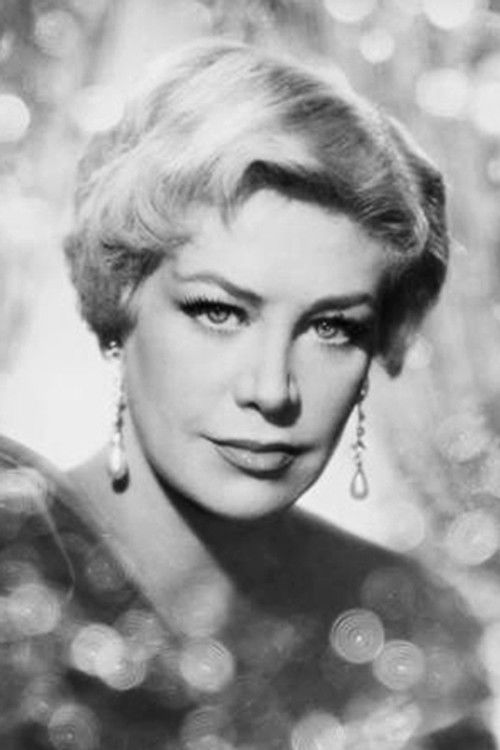
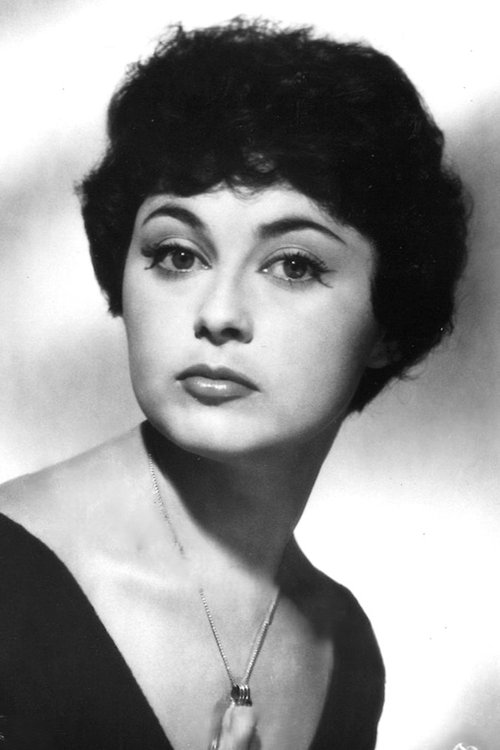
Wilder originally envisioned Marlene Dietrich as Fedora and Faye Dunaway as her daughter Antonia, but Dietrich despised the original book and thought the screenplay was no improvement. Sydney Pollack invited Wilder to a pre-release screening of Bobby Deerfield, in which former fashion model Marthe Keller had a featured role. Wilder decided to cast her as both mother and daughter in Fedora, but the actress had suffered such severe facial nerve injuries in an automobile accident that she was unable to endure wearing the heavy makeup required to transform her into the older character, so he cast Hildegard Knef in the role.
After viewing a rough cut of the film, Wilder realized to his horror that neither Keller nor Knef could be understood easily, nor did their voices sound very much alike, which was crucial to the film's plot. He hired German actress Inga Bunsch to dub the dialogue of both women for the film's English-language release. Keller eventually recorded the voices for both characters in the French version, and Knef did likewise for the West German release.
Filming took place at the Bavaria Studios in Munich and the Billancourt Studios in Paris, with extensive location shooting around Corfu and the smaller island of Madouri. The film's sets were designed by art director Alexandre Trauner, who had previously worked with Wilder on The Apartment and other films.
Allied Artists dropped its deal to distribute the film after it was screened at a Myasthenia Gravis Foundation benefit in New York City and the audience response was unenthusiastic. The film was picked up by Lorimar Productions, which planned to sell the screening rights to CBS as a television movie. Before the network could agree to the offer, United Artists stepped in. After cutting 12 minutes of the film based on studio recommendations, Wilder previewed the film in Santa Barbara, California. Halfway through, the audience began derisively laughing at all the wrong places. Dejected by the response and despondent from all the problems he had encountered up to this point, the director refused to make any more edits.
On May 30, 1978, the film had its world premiere at the Cannes Film Festival as part of a retrospective of the director's work. Afterward, it was released in only a handful of select American and European markets with little fanfare, prompting an insulted Wilder to claim the studio spent "about $625 on a marketing campaign". It was later shown as part of the Cannes Classics section of the 2013 Cannes Film Festival.
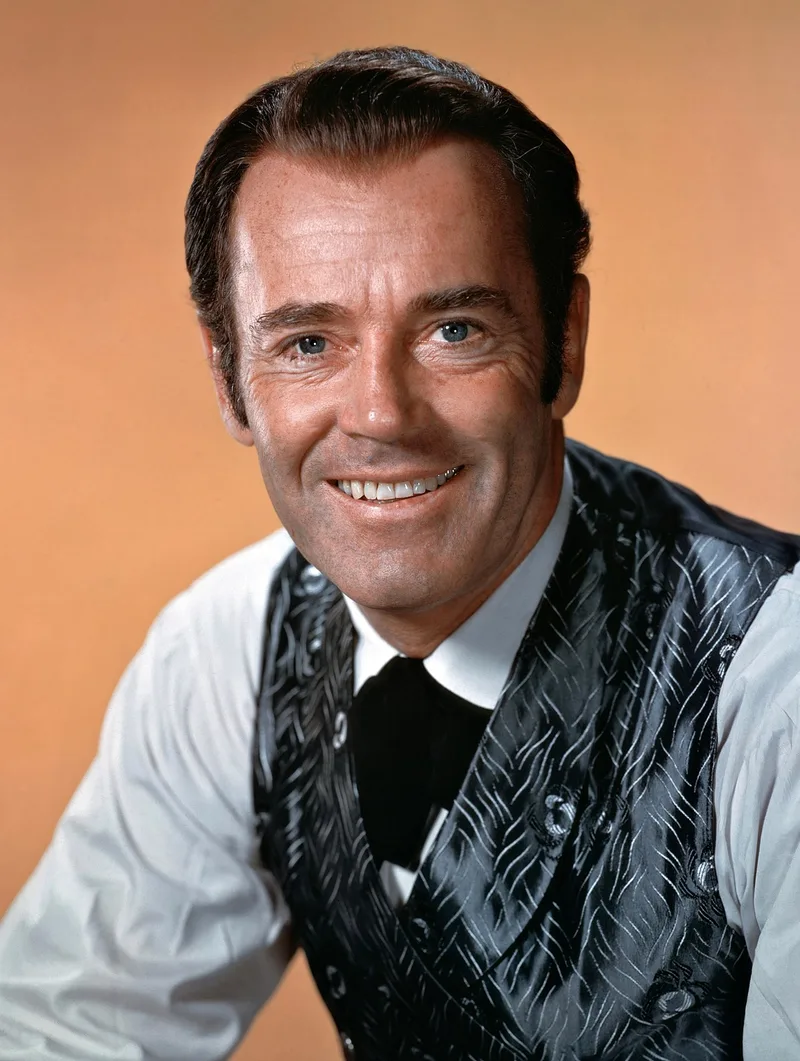
Both Henry Fonda and Michael York make appearances as themselves, although Fonda is credited as "The President of the Academy". In the film, Fonda is the president of the Academy of Motion Picture Arts and Sciences. He presents a lifetime achievement award to Fedora, but Fonda never actually served as AMPAS president.
Fedora was a re-teaming of Wilder with Holden, who had collaborated on Sunset Boulevard, and similar to the earlier film, it harshly criticized Hollywood's often shabby treatment of its most prominent talent. However, unlike Sunset Boulevard, what Fedora attacked was Hollywood's youth-oriented culture, not the apparent disposability of perceived has-beens.